Recently I realized the best way to keep readers up to date and engaged with A Duck’s Oven is email. Social platforms are increasingly limiting organic reach unless you pay for promotion. Twitter’s character limit and Instagram’s app barriers make it harder for readers to reach your blog directly. With email you control what goes out, how often, and how it looks.
I had a modest email following but wanted to grow it consistently. After researching options, I adopted a strategy that improved subscriptions and engagement.
Disclaimer: I mention MailChimp because it’s the service I use and have been happy with; this post is not sponsored.
1. Use an email service
If you don’t offer email subscriptions yet, or you’re still using Feedburner, consider switching to a dedicated email service like MailChimp. For small lists MailChimp has a free tier that gives much more control than Feedburner. I’m currently on the free plan since my list and monthly send volume fall within its limits.
When I switched I decided to send a weekly newsletter instead of having Feedburner email subscribers for every new post. I emailed my existing list explaining the change and offered anyone who preferred to stay on the Feedburner-style updates the option to do so.
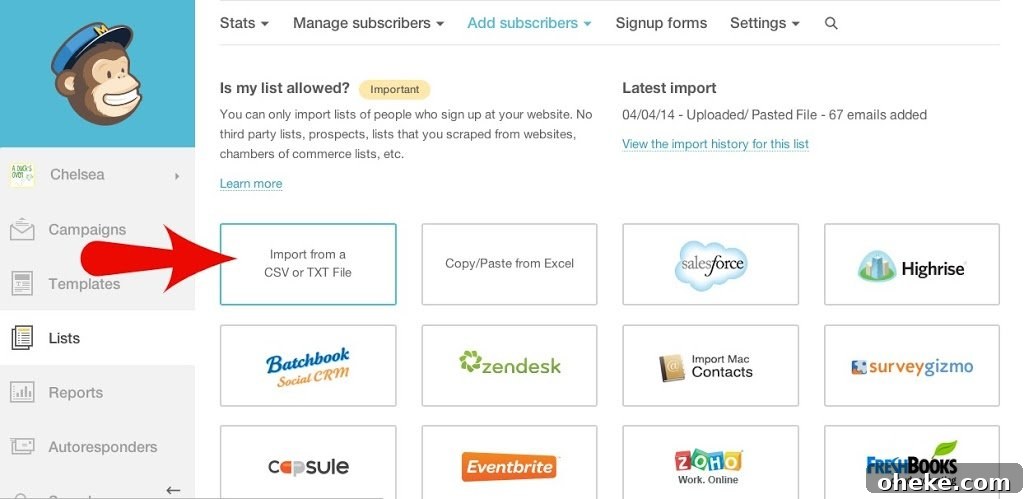
MailChimp makes creating campaigns straightforward, and they provided an easy way to import my Feedburner subscribers. From Feedburner go to Publicize > Email Subscriptions > Subscription Management, export the CSV, then upload that file into MailChimp. After migrating, deactivate your subscribers in Feedburner so you don’t send duplicate messages.
Another advantage of a service like MailChimp is analytics: you can track open and click rates to measure how effective your campaigns are and refine your approach.
2. Make the signup form easy and visible
Place a clear, simple signup form where visitors will see it. I added a signup button to my blog’s Facebook page and put a streamlined form in my sidebar. Minimizing friction boosts conversions — the easier it is to join, the more people will do it.
3. Offer something valuable in exchange for subscribing
People are more likely to subscribe if they get something tangible in return. If you sell products, coupons or special offers work well. For bloggers, a downloadable resource like an eBook or PDF can be compelling.
I decided to create a short eCookbook featuring my most popular recipes. An “eBook” doesn’t have to be complicated — a PDF or ePub exported from a word processor will do. I used Apple Pages to assemble the content and exported a PDF. The cover was created with simple graphics tools.
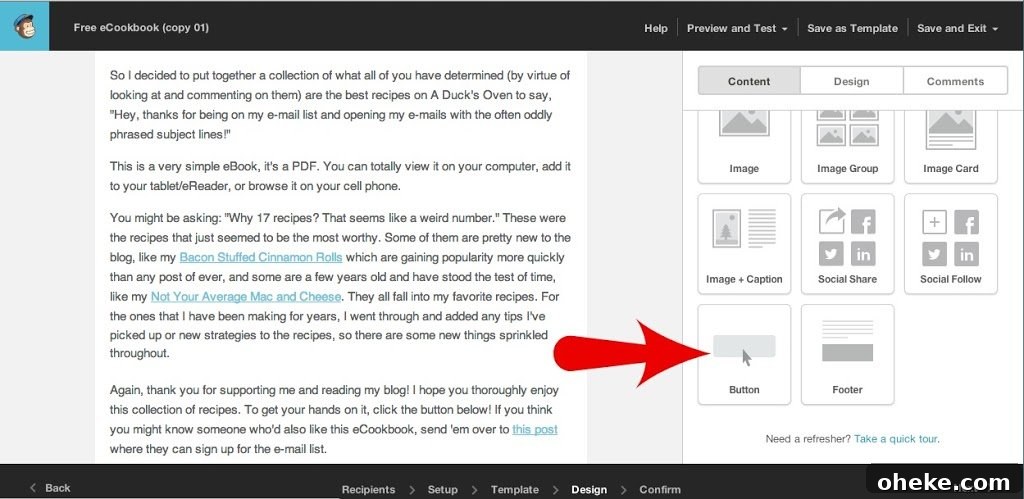
To deliver the eCookbook, I built a MailChimp campaign and included a clear “Download” button that links to the PDF. This allowed me to distribute the file without paying for a separate hosting service.

I then wrote a blog post about the eCookbook and embedded the signup form directly in the post to make subscribing seamless. I emailed my current subscribers to thank them and direct them to the post, and I also shared the announcement on social media.
After the launch new signups picked up significantly. Previously I might get one or two new subscribers a week; after offering the eCookbook I saw a surge in signups and settled to a steady rate of a few new subscribers each week. In three weeks my email list increased by about 25%.
To keep the offer visible I added a “Free eCookbook” tab to my blog and placed the cover image, linked to the blog post, in the sidebar. This continued to draw attention and conversions.
Why this worked:
- It only cost time — no monetary investment beyond my existing tools.
- The offer had real value to my audience: the eCookbook was appealing enough that people were willing to subscribe.
- Signing up was simple. Asking for multiple actions (subscribe, follow on social, like on Facebook) would have reduced response rates.
I hope these tips help you grow your blog’s email list. What strategies have worked for you when building a newsletter audience?