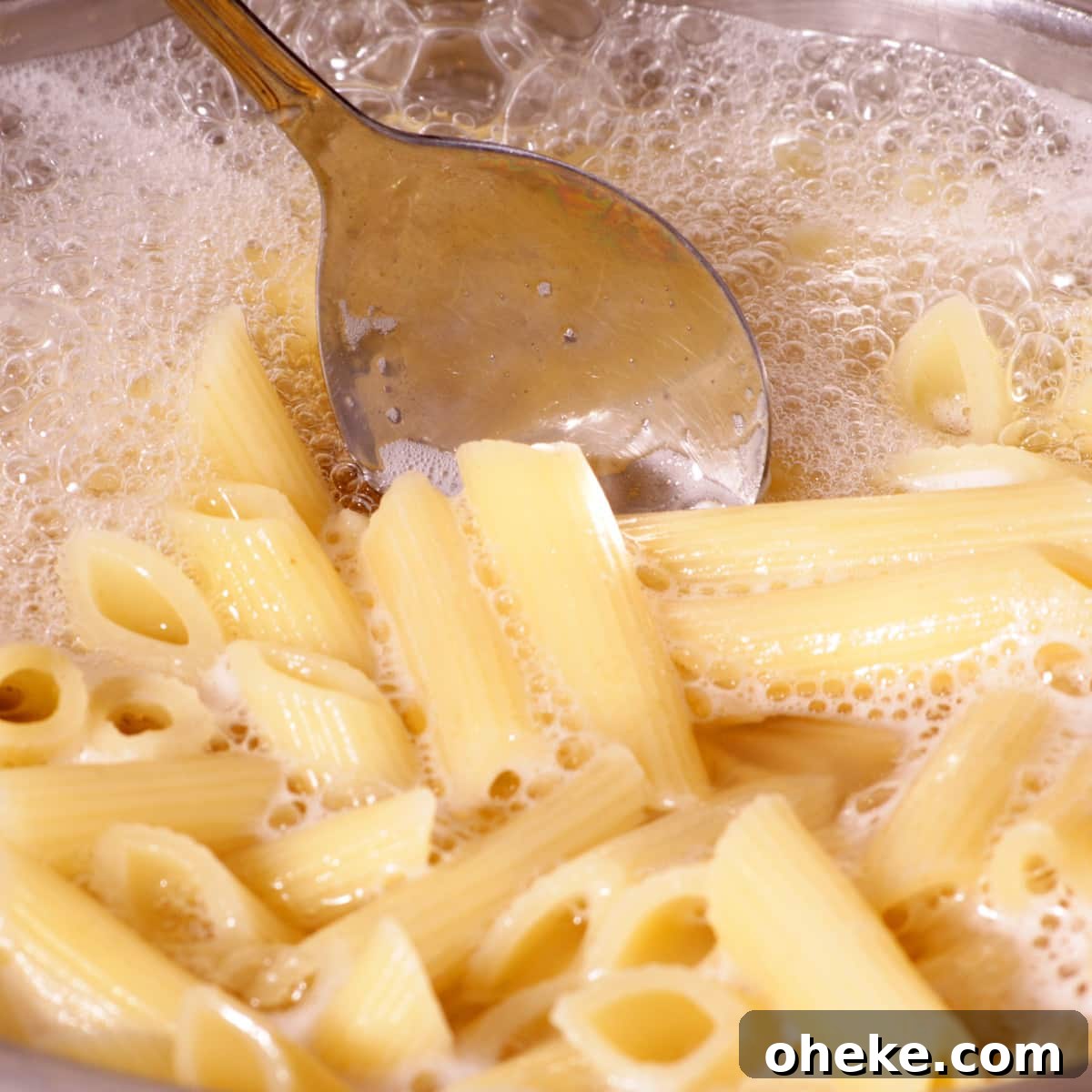
Perfect pasta isn’t about flashy sauces or secret formulas — it’s about mastering three fundamentals: water, salt and timing. Overlook any one of these and the result will be mushy or uneven. Get them right, and a simple bowl of pasta becomes impressive in its purity and texture.
The role of water
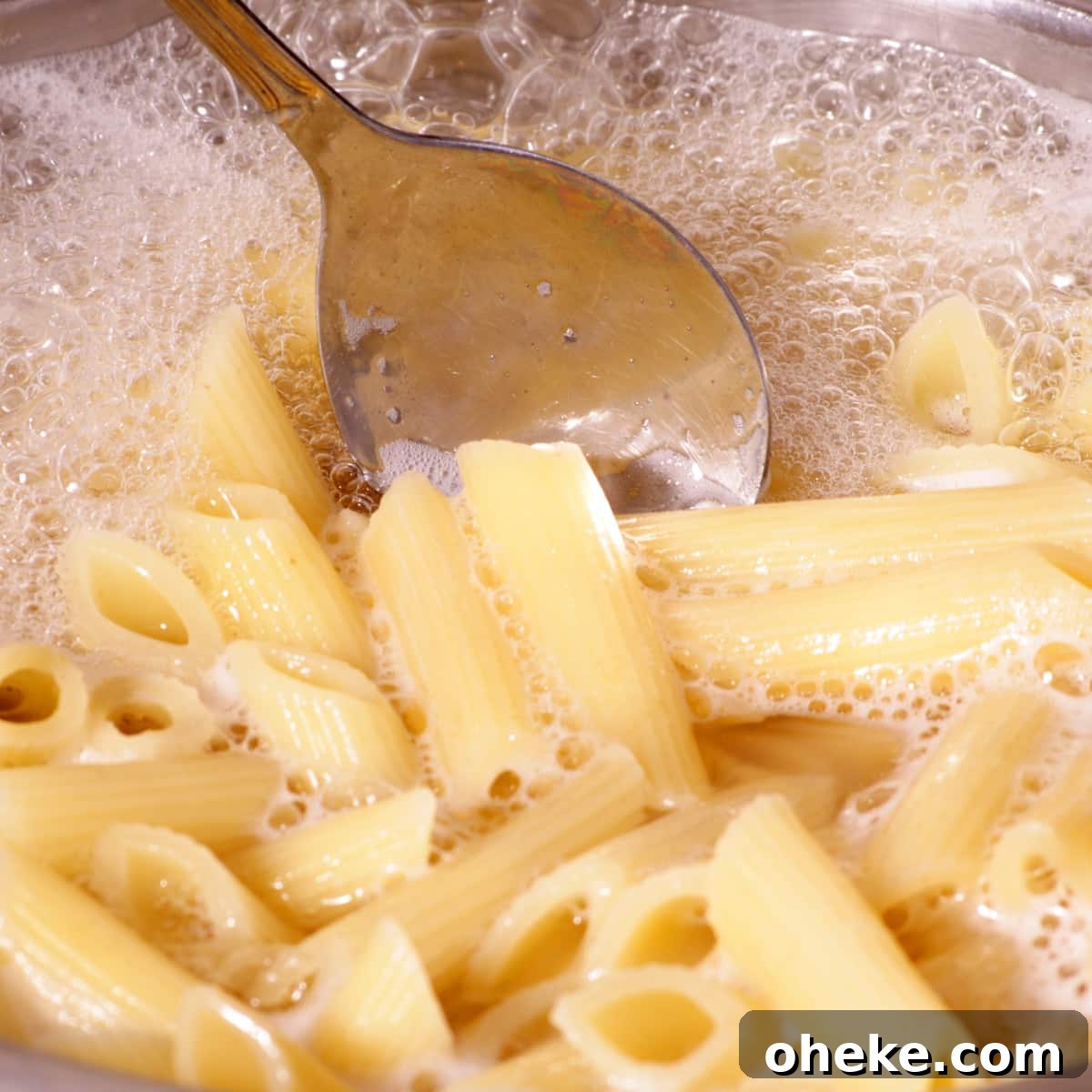
Don’t skimp on water. A large pot with plenty of water gives pasta room to move and cook evenly; crowding it in a small pot produces sticky, uneven noodles. Aim for roughly 4–6 quarts of water per pound of pasta. It may seem like a lot, but it helps the pasta keep its texture and prevents clumping.
Temperature matters as well. Add pasta only when the water is at a full, rolling boil. Hot, rapidly boiling water quickly seals the pasta’s surface, helping it maintain shape and preventing it from turning mushy. Starting pasta in cold or lukewarm water upsets the cooking process and leads to inconsistent results.
Why salt matters
Salting the cooking water is essential if you want pasta with flavor. As pasta cooks it absorbs seasoning, so this is the best chance to flavor the noodles from the inside out. A common guideline is about 1½ tablespoons of salt per 4–6 quarts of water — it sounds like a lot, but most of it stays in the pot. Properly salted pasta will taste noticeably better; unsalted pasta will come out bland no matter how good the sauce is.
There’s a bit of science behind it: salt slightly raises the boiling point of the water and, more importantly, allows the pasta to absorb seasoning as it hydrates. This small step has a big impact on the finished dish.
The importance of timing
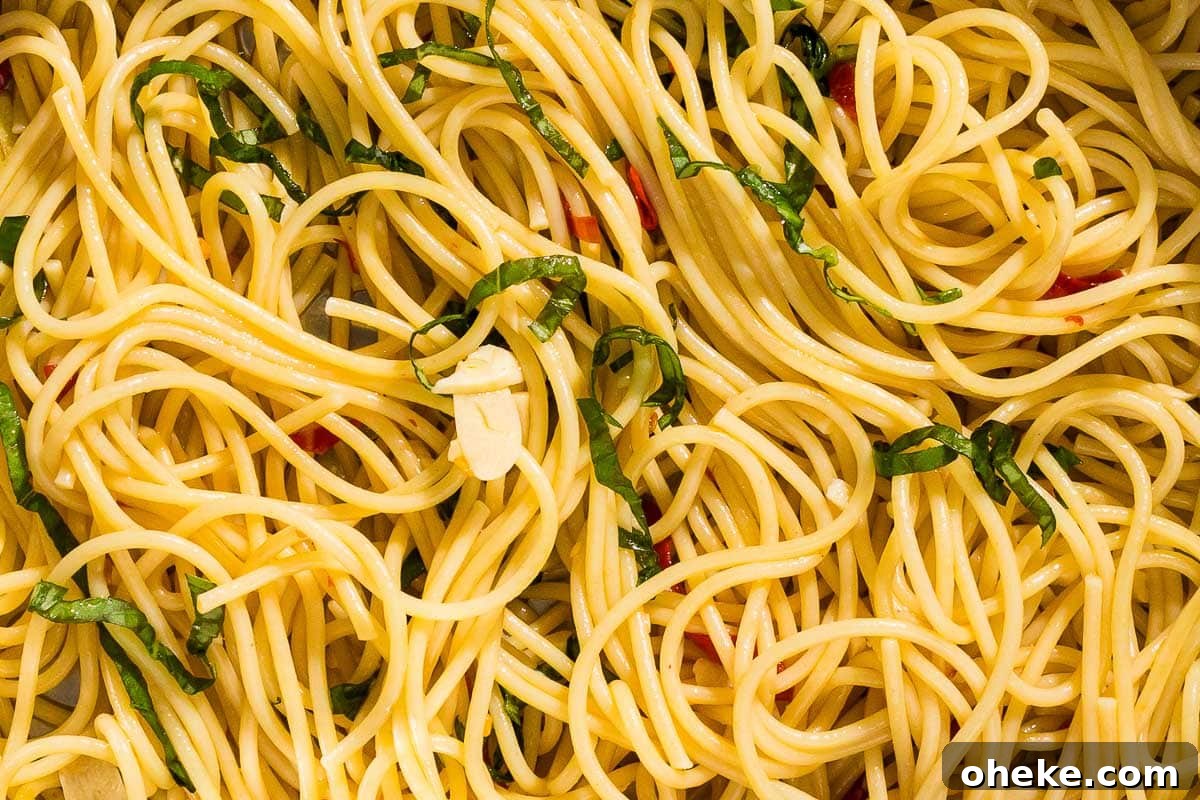
Timing is critical. The aim is al dente — firm to the bite — which not only feels better in the mouth but helps pasta hold up once it’s mixed with sauce. Package times are a starting point; start tasting a minute or two before the shortest time listed so you can catch the ideal texture.
Cooking time varies with shape and thickness, but one universal rule applies: don’t walk away from the pot. Slightly undercooked pasta can finish cooking in the sauce, allowing flavors to meld. Overcooked pasta, however, can’t be rescued.
Bringing it all together
How you finish the pasta matters as much as how you cook it. Reserve a cup of starchy cooking water before draining — this cloudy, salty liquid is invaluable for adjusting sauce consistency. A splash of it helps the sauce cling to the noodles and creates a smooth emulsion rather than a watery pooling of sauce on the plate.
Whenever possible, finish the pasta in the sauce for the last minute or two. Tossing slightly underdone pasta into a warm sauce lets it absorb flavor and bind better. If the sauce seems too thick, add a little reserved pasta water to reach the desired texture.
Common pasta mistakes and how to avoid them
Even experienced cooks stumble sometimes. Here are common mistakes and simple fixes:
- Rinsing the pasta: Don’t rinse. Rinsing washes away the starch that helps sauces bind to the noodles.
- Adding oil to the water: Oil won’t prevent sticking and will stop sauce from coating the pasta properly. A good stir after adding pasta to boiling water prevents sticking more effectively.
- Breaking long pasta: Avoid snapping spaghetti or linguine in half to fit the pot. Let the ends soften in the boiling water and then gently bend them under.
- Not stirring enough: Stir within the first minute or two to prevent clumping and to keep noodles from sticking to the bottom of the pot.
- Draining every drop: Don’t drain away all the cooking water. Leaving a little or reserving some helps you adjust sauce consistency when you finish the pasta together with the sauce.
Pasta like a pro
Making great pasta isn’t complicated — it’s consistent. Use plenty of water, salt generously, and watch your timing. Save some starchy cooking water, skip the oil in the pot and avoid rinsing. These straightforward steps elevate a basic pot of noodles into a satisfying, flavorful meal.
Gina Matsoukas is a writer, photographer and recipe developer known for seasonal, whole-food recipes. She lives in central New York and focuses on healthy home cooking.