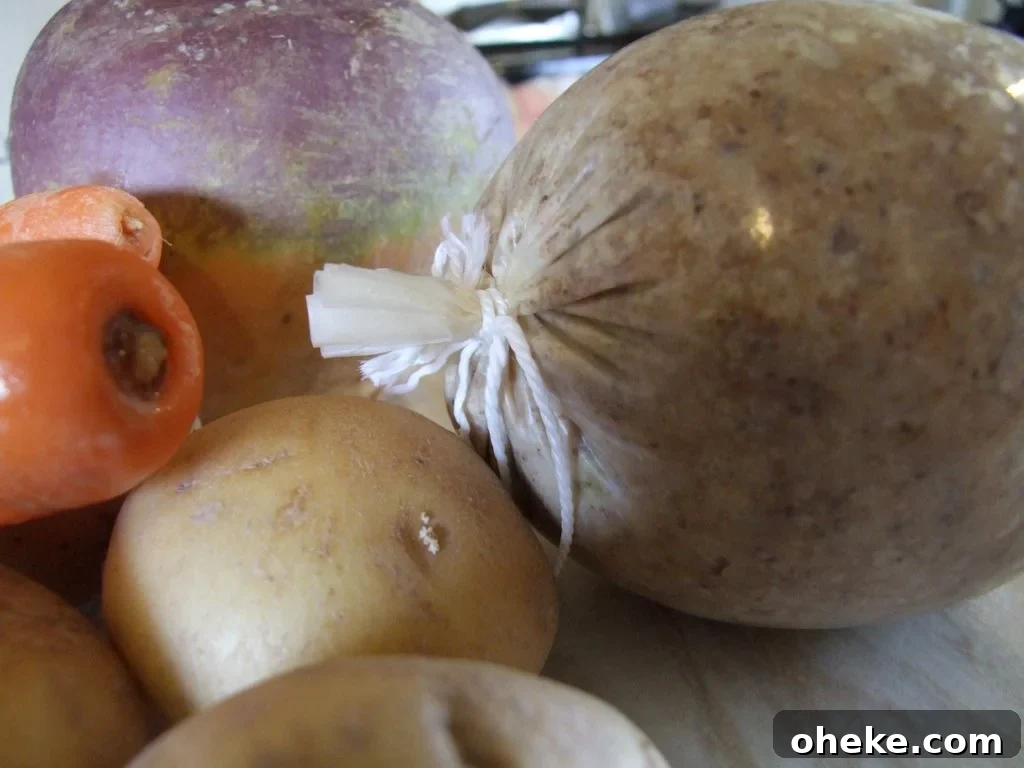

Wild Haggis Scoticus (CC Image courtesy of Emoscopes on Wikipedia)
Haggis is widely regarded as Scotland’s national dish and is prized for its rich, savory flavor. Though many jokes and tall tales surround haggis—such as the humorous myth about a wild “haggis” with uneven legs roaming the hills—the real dish is a traditional sausage-like pudding with deep roots in practicality and thrift. At its simplest, haggis is made from sheep, but the full story of its ingredients and preparation reveals a resourceful cuisine that developed to use as much of the animal as possible.
Historically, haggis grew out of necessity: it’s a way to preserve offal (organs that spoil rapidly) and to make a portable, long-lasting meal. The name “haggis” may come from Old Norse or Old Icelandic words meaning “to hew” or “to chop,” reflecting the preparation method of finely cutting or mincing the ingredients. Over time the dish became a staple in Scottish households and an emblem of national culinary tradition.
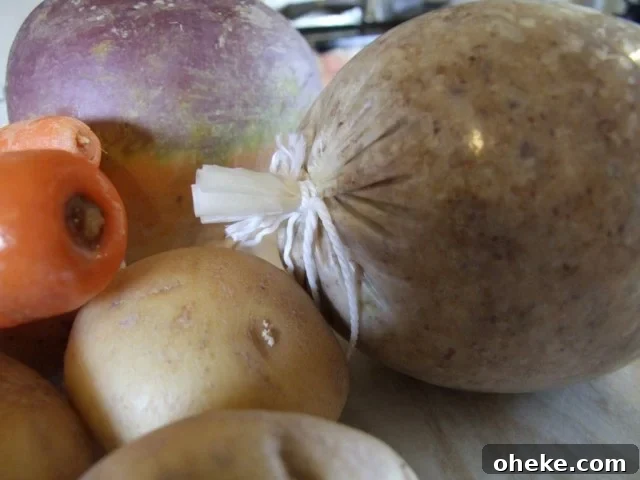
In Scotland, haggis is easy to find and is especially associated with Burns Night, the annual celebration of poet Robert Burns, and St. Andrew’s Day. Outside Scotland, variations have arisen where fresh traditional haggis is unavailable—substitutes using different meats or vegetarian versions are common. For many expatriates, haggis remains a comforting taste of home, sometimes enjoyed more abroad than back in Scotland. Canned and commercially produced haggis are also available in some regions where imports were previously restricted, offering another way to sample the dish.
If you can’t access fresh or canned haggis, you can make it at home. Below are a traditional haggis recipe and a vegetarian alternative, both intended to capture the flavors and texture that make haggis distinctive. Serve either version with neeps (turnips or rutabagas) and tatties (mashed potatoes), and a wee dram of whisky if you like.
Traditional Haggis Recipe
- 1 sheep’s stomach, cleaned and soaked
- 1 sheep’s pluck – heart, liver and lungs
- 3 onions, chopped
- 250g beef suet (kidney fat), chopped
- A pinch of cayenne pepper
- 150g steel-cut or pinhead oats
- Salt and freshly ground black pepper
- 150ml stock (from boiling the pluck)
Thoroughly clean the stomach and soak it overnight, then turn it inside out. Wash the pluck and simmer for about 1½ hours until cooked through. Mince the heart and lungs and grate half the liver. Combine the minced offal, grated liver, chopped onions, suet, oats, spices and seasoning in a bowl. Add enough cooking stock to bind the mixture so it’s moist but not sloppy. Fill the stomach about halfway with the mixture and tie securely with butcher’s string. Poach the haggis gently for 2–3 hours, pricking occasionally if air pockets form. Slice and serve hot with mashed neeps and tatties; adding some carrots to the neeps can enhance the flavor.
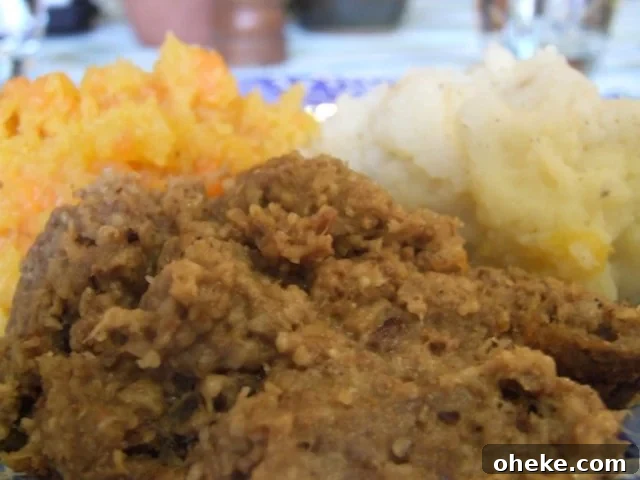
Haggis, Neeps and Tatties
Vegetarian Haggis Recipe
- 4 shallots, finely chopped
- 2 cloves garlic, thinly sliced
- 30g butter
- 75g mushrooms, chopped
- A pinch of cayenne pepper
- ½ tsp ground cinnamon
- ½ tsp allspice
- Freshly grated nutmeg, to taste
- 3 carrots, peeled and grated
- 75g red lentils
- Zest of 1 lemon
- 500ml vegetable stock
- A small bunch of rosemary, leaves chopped
- A small bunch of thyme, leaves stripped
- Half a tin of red kidney beans, rinsed and mashed
- 50g pinhead oatmeal
Sauté the shallots, garlic and mushrooms in butter until softened. Add the spices and cook briefly to release their aroma. Stir in the lentils, lemon zest, grated carrots and vegetable stock, and simmer until the lentils are tender. Mix in the mashed kidney beans and oatmeal, adding a little extra stock if needed, and cook gently until the oats have absorbed liquid and the mixture firms up. Adjust seasoning to taste. Shape the mixture into a loaf or place in a baking dish and bake briefly if desired. Serve with mashed neeps and tatties for a satisfying vegetarian centerpiece.
Both versions celebrate the spirit of haggis: practical, hearty, and built from simple ingredients combined to deliver bold, comforting flavors. Whether you prefer the traditional recipe or a vegetarian take, haggis remains an enduring part of Scottish food culture.