It’s rare that I write a negative review, but this experience left me compelled to share. I dislike being deceived, overcharged, or treated rudely by customer service—particularly by large, profitable corporations that appear to take advantage of consumers. When a company misleads buyers, trust is lost and every product they sell becomes suspect.
This situation reminded me of the Subway “footlong” controversy. In that case, bread came up short by an inch. In my experience with Swanson (a Campbell’s brand), the shortfall is far larger: 27.5% less meat than expected. Their bright yellow label touts “28% more,” but the label doesn’t clearly explain what that refers to. More of what—water? The discrepancy was consistent when I weighed multiple cans on an accurate digital scale: the larger cans actually contained less chicken meat than the older, smaller cans did.
After discovering consistent underweight measurements, I contacted Swanson. The customer service experience was unsatisfactory: we received conflicting explanations from different representatives, and one rep lied outright. After a month of correspondence, they acknowledged a labeling issue and said they would “check into it.” We gave them time to act—either correct the labels or adjust fill amounts—but nothing meaningful changed. Eventually they refunded our purchases and sent coupons, but the misleading labels remained unresolved.
Buyer beware: these cans do not contain the amount the label suggests. The serving size and total ounces listed on the back are misleading. If you rely on canned chicken as an economical, convenient option, consider cooking and freezing your own shredded chicken instead. If you continue buying canned chicken, shop carefully and be aware that the drained meat may be substantially less than the label implies.
Below are photos and measurements from three cans I tested. Even unopened cans varied slightly in total weight—some were 15 1/4 oz, others 15 3/8 oz—but the meaningful difference was how much of that weight was liquid versus meat. I documented one full experiment in detail here, using the heavier can to give Swanson the benefit of the doubt.
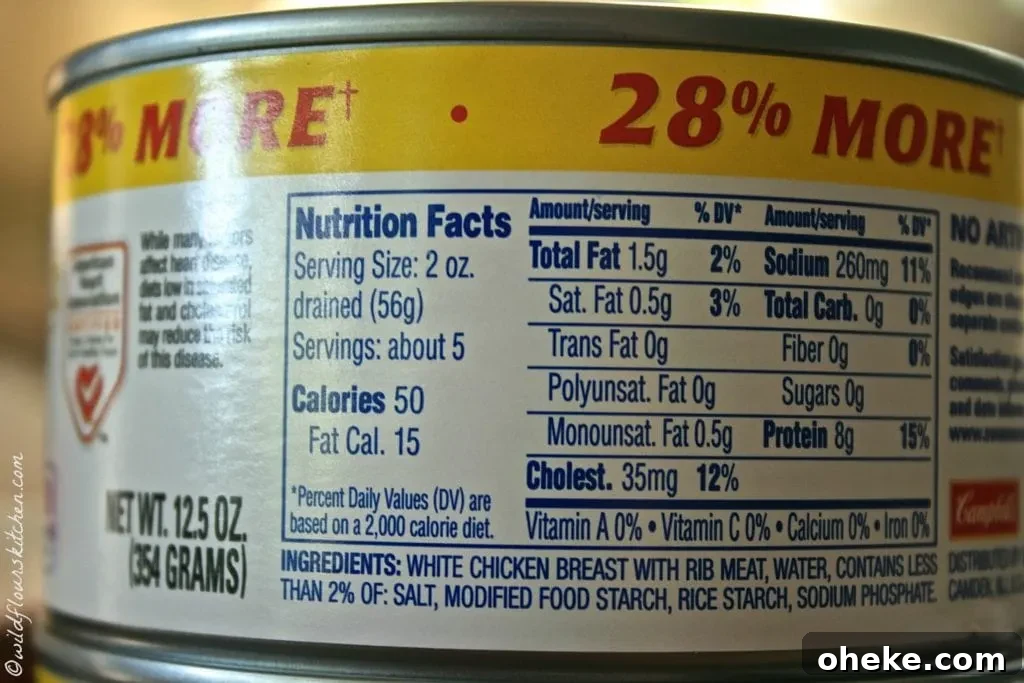
When I opened the can, the lid pressed down past halfway, and separating the liquid revealed a substantial amount of juice. The liquid alone weighed 5 3/4 ounces of the can’s 12.5 ounces of contents. The drained chicken weighed only 7 1/4 ounces. Yet the nutrition label lists a serving size of 56 g (about 2 ounces) and “about 5 servings per can,” which implies roughly 10 ounces of meat. My measurements show far less meat than that.
7 1/4 ounces of chicken does not equal the 10 ounces implied by the label. That difference matters to households trying to stretch food budgets and to anyone using canned meat in recipes. A 27.5% shortfall can break recipe yields and increase costs unexpectedly.
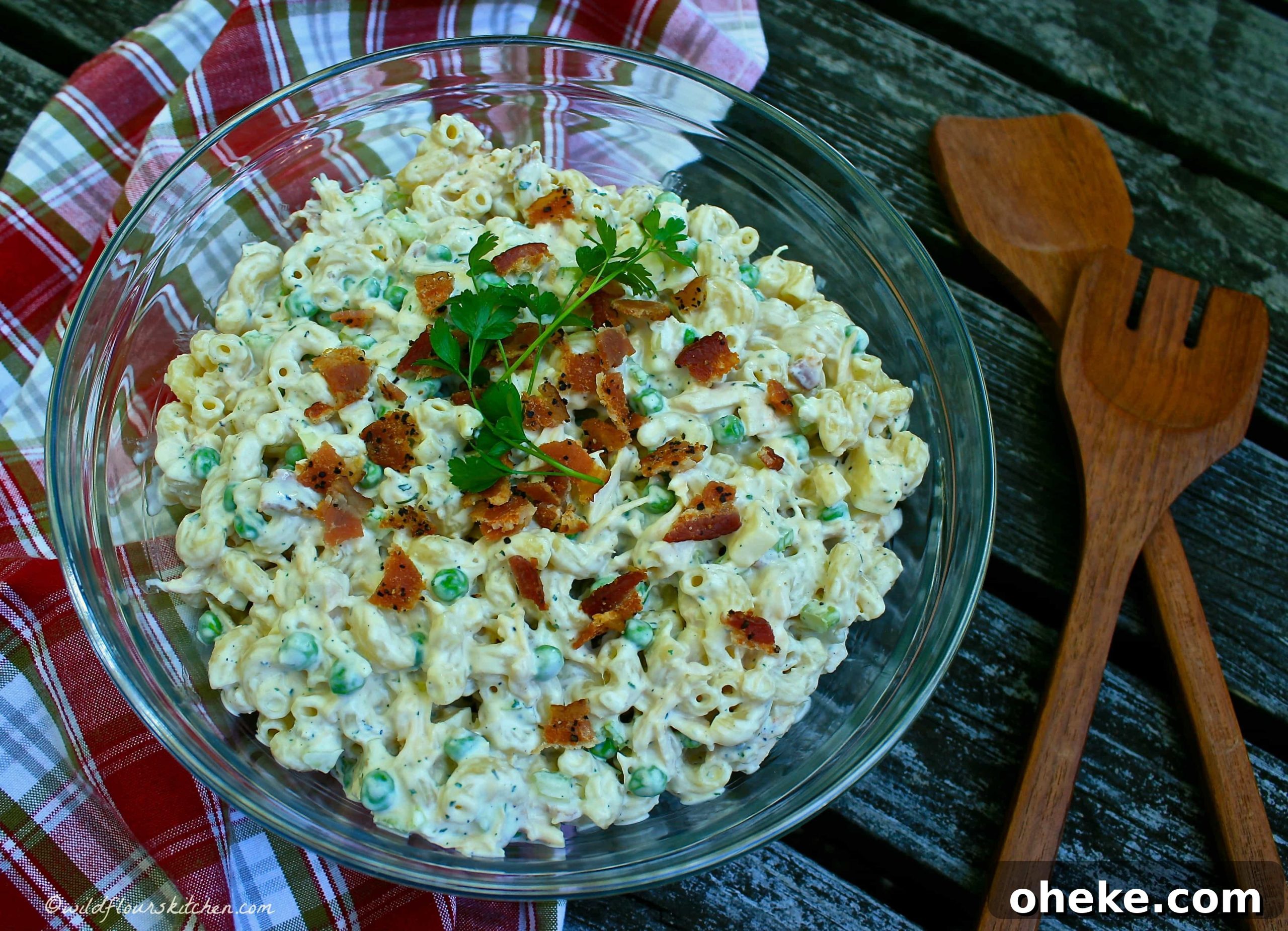
Because the cans provided less meat than expected, I had to add extra ingredients to make up the difference for a macaroni salad. Although the added bacon and extra cheese made the dish indulgent, the need to supplement what should have been a budget-friendly meal was disappointing.
We have relied on these cans as a convenient option when life gets busy or when health issues make cooking difficult. Previously one can produced four sandwiches; with the new cans I only got about two and a half. The product itself is fine, but honesty in labeling is essential. After two months of trying to resolve this, we stopped buying Swanson canned chicken until the labels or fill amounts are corrected.
Your options if you want consistent results: use cooked leftover chicken—rotisserie or shredded breast—or choose canned chicken but be mindful that drained meat may be less than the label suggests. I hope Swanson revises their labeling or fill policy so consumers receive what they expect.
Despite the frustration, the final salad turned out flavorful and satisfying. Below are images documenting weights, labels, and comparisons between older and newer cans. Note how the serving sizes and nutritional facts changed over time even though total meat appeared lower. The comparison suggests the “28% more” messaging may refer to added water rather than added meat.
Buyer beware—from the little mouse that roared.
◊
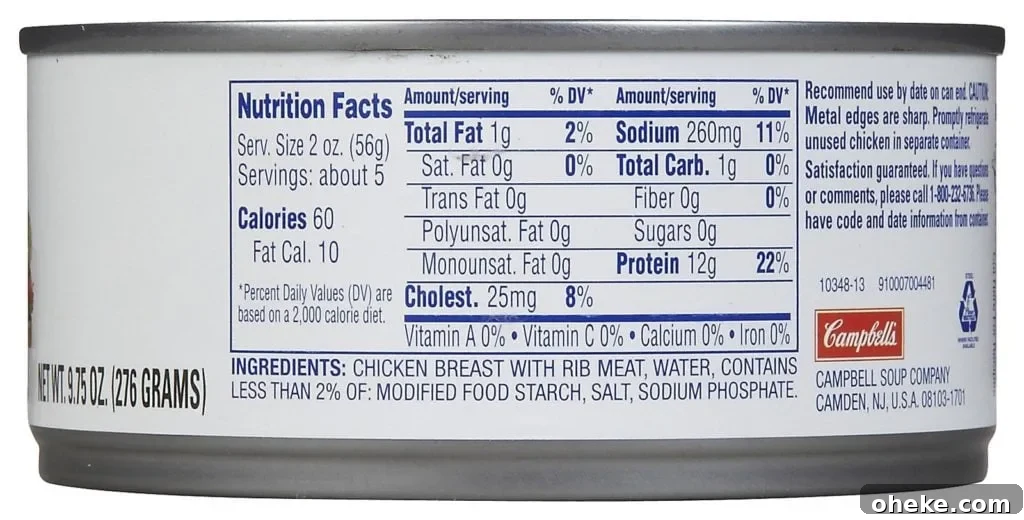
UPDATE: I photographed two older 9.75-ounce cans alongside the newest can. The old cans contained the same amount as the newest ones, and serving sizes were changed over time. The nutritional information for fat and cholesterol stayed the same between the old and newer cans, while the newest can showed higher fat and lower protein—suggesting less real meat content. The “28% more” claim appears to reflect added liquid rather than added chicken.
OLDEST:
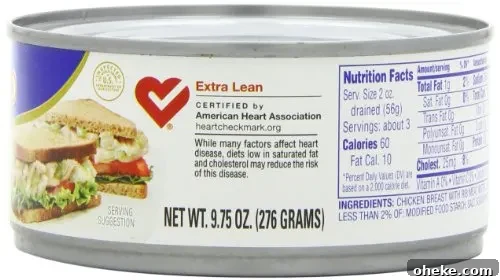
NEWER:
NEWEST:
As a point of comparison, a 12 oz can of Bumble Bee white albacore tuna lists a drained weight of 9 ounces and matched that claim accurately. At least some brands remain transparent about drained weights.

Bacon White Cheddar Ranch Chicken Macaroni Salad
Ingredients
- 8 oz. (half of a 1 lb. box or 2 cups) elbow macaroni, cooked al dente, rinsed, drained and tossed with 1 Tbsp. olive oil
- 1 (12.5 oz.) can chunk white chicken breast in water, drained well
- 1 cup heavy mayo such as Hellmann’s
- 2 Tbsp. thick sour cream such as Daisy
- 1/4 tsp. onion powder
- 1/4 tsp. coarse ground black pepper
- 1/4 tsp. regular table mustard
- 1/4 cup finely chopped sweet or red onion
- 2 strips thick-cut bacon, cooked crisp and crumbled
- 2 oz. extra sharp white cheddar, diced
- 1 small rib celery, thinly sliced
- 3/4 cup frozen sweet baby peas, unthawed
- Optional: extra crumbled bacon and fresh chopped parsley for garnish
Instructions
Disclaimer: I received no product to review. This is my honest, personal account of measurements and interactions regarding Swanson canned chicken. My experiments were repeated and consistent over a two‑month period.