Feeding a picky eater at home is one thing; packing a lunch for preschool or kindergarten is another challenge entirely. When children are away from home, unfamiliar routines and new settings can make them even less likely to try different foods.
I remember my son’s first year of preschool before he turned two. That’s when his picky phase really began. Foods he had previously enjoyed were suddenly off-limits. His lunchbox often returned half full, and I questioned whether I was doing a good job as a parent.
Teachers would send notes listing foods he refused and suggesting I stop packing those items. In response, I started sending the same handful of foods repeatedly—items I knew he would eat. It felt safer and I received fewer notes, which eased some of my anxiety.
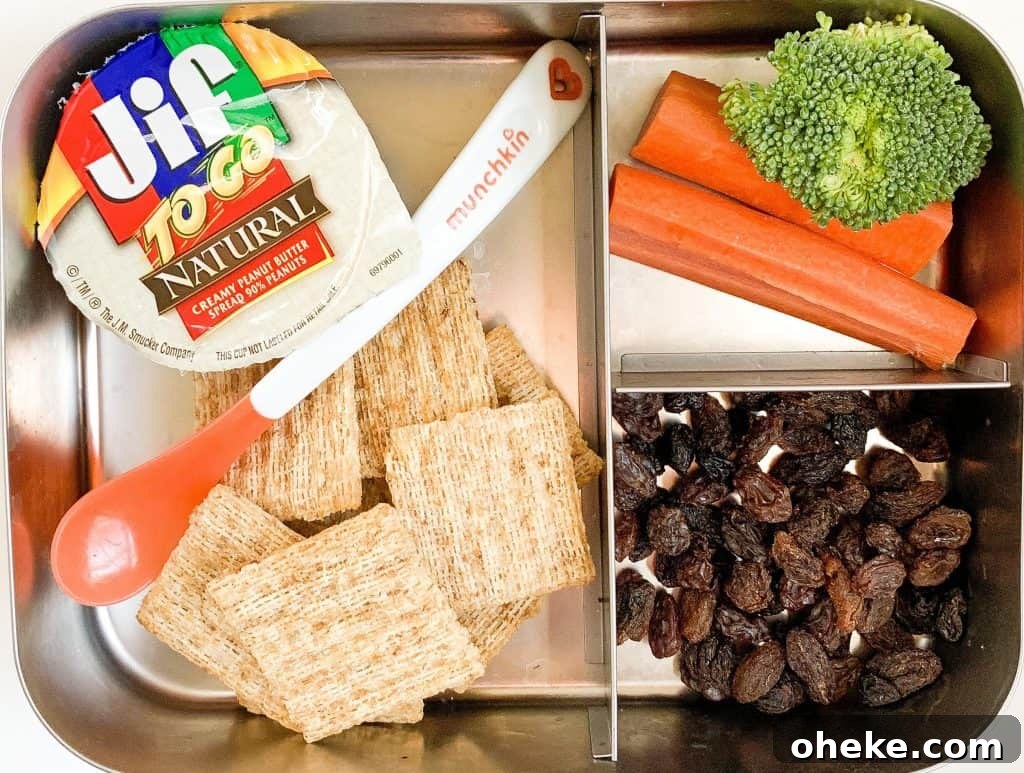
Even though I had knowledge about picky eating, it still felt overwhelming when it was my own child. My husband reminded me that the familiar foods I packed were healthy and that I didn’t need to worry excessively. Looking back now, there are several practical tips I wish I could tell my earlier self about packing a healthy, realistic lunch for a picky eater.
What I would tell my previous self about how to pack a lunch for a picky eater
- Lead with the familiar: Sending a familiar item helps reduce stress and makes lunchtime predictable. Start by listing the foods your child consistently eats and include some of those favorites in the lunchbox, even if they aren’t perfectly balanced. The priority is that your child has something to eat so they don’t spend the day hungry.
- Action item: Create a short list of go-to foods and rotate them so there is some consistency while still offering variety over time.
- You can gently introduce new foods later in small, manageable ways.
- Make small changes to foster variety: Serving the exact same foods every day reinforces picky habits. Small, gradual changes help children become more open to new options. Try adjusting:
- How food is cut or presented
- The brand or packaging of a familiar item
- Variations of the same food (different bread, yogurt flavor, or nut-butters)
- For sensitive children, start with minor visual changes—cut a sandwich differently or slice fruit in a new shape—before changing tastes.
- Include a fruit or vegetable daily: Aim to add at least one fruit or vegetable to every lunch. It can be fresh, frozen, dried, or even canned—consistency matters more than perfection. If they prefer the same fruit every day, serve it in different forms or shapes to keep things interesting.
- Introduce new foods in small portions: New items should be offered in tiny portions—just a taste rather than a full serving. This lowers pressure and treats the lunchbox as a place for exposure rather than a guarantee of full consumption. Consider showing your child what you packed so they recognize it at lunchtime.
- Accept that they may not finish every lunch: There are many reasons a child might not eat everything in their lunchbox—lack of appetite, busy playground time, or simply not being hungry. It’s usually not a sign of a problem. Avoid punishing or overreacting; you can reintroduce uneaten foods later without making a big deal out of it.
- Give them simple choices: Rather than open-ended questions, offer limited choices: “Would you like pear or plum?” or “Jelly or honey?” Choices give children a sense of control and reduce mealtime anxiety while keeping decisions manageable for you.
- Boost nutrition subtly: Small additions can improve the overall nutritional quality of accepted favorites. For instance, adding fruit or a protein source to a sandwich or choosing whole-grain bread can make familiar foods more nourishing without changing them drastically.
- Avoid commenting on what they did or didn’t eat: Don’t immediately ask or comment about consumption when you pick them up. Observing quietly is fine, but direct remarks like “You didn’t eat the strawberries” draw unnecessary attention to the issue and can create negative feelings around food.
- It’s okay to pack less-than-ideal foods sometimes: If your child’s accepted options aren’t the healthiest, that’s okay for now. Ensuring they have something to eat is the immediate priority. Over time, you can work on improving food choices without creating stress around lunch.
What tips have you found helpful in packing a lunch for your picky eater?
If you’re unsure where to begin, start with small, consistent steps: include a familiar item, add a fruit or vegetable, and offer one tiny new taste each week. These low-pressure strategies help build confidence and expand food acceptance gradually.
Don’t miss your chance to make packing lunches EASY this year
Creating a routine that balances comfort and gentle exposure makes lunchtime less stressful for both you and your child. Start simple, stay consistent, and remember that progress can be slow—but steady efforts pay off.