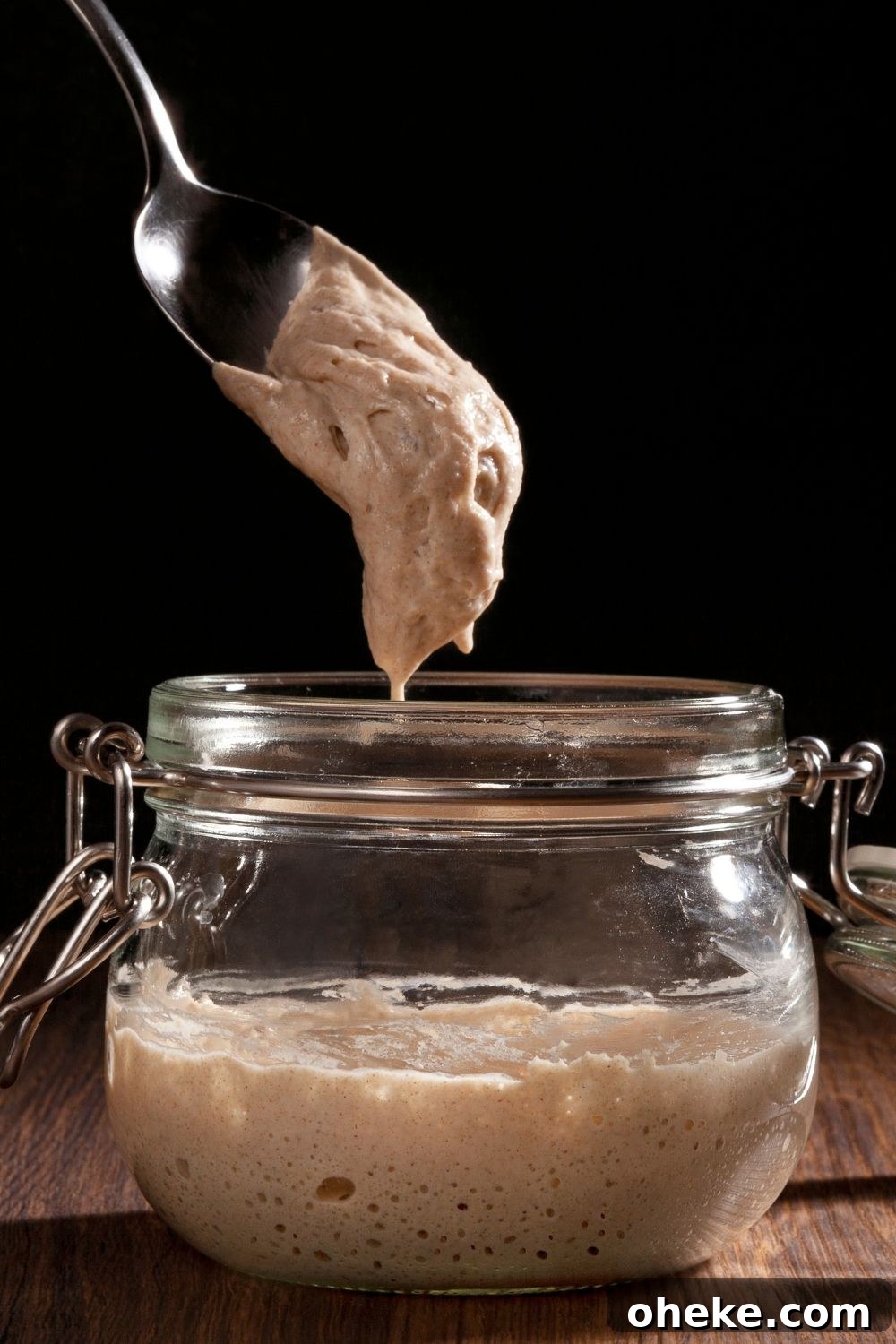
Are sourdough discard recipes truly healthy? Do they deliver the same fermentation benefits as bread made with an active, fed sourdough starter?
Many bakers wonder whether the portion of starter they remove before feeding—the discard—still offers the same nutritional and digestive advantages as a fully refreshed starter.
In short, sourdough discard remains nutritious and contains the microbes and fermentation byproducts found in an active starter, but its benefits vary depending on how you use it. In some cases, a properly fermented sourdough loaf will provide greater advantages than quick discard recipes.
This article explains the difference between discard and starter, how discard is used, its nutritional value, and whether people with gluten sensitivity might tolerate discard-based recipes.
What Is The Difference Between Sourdough Discard and Starter?
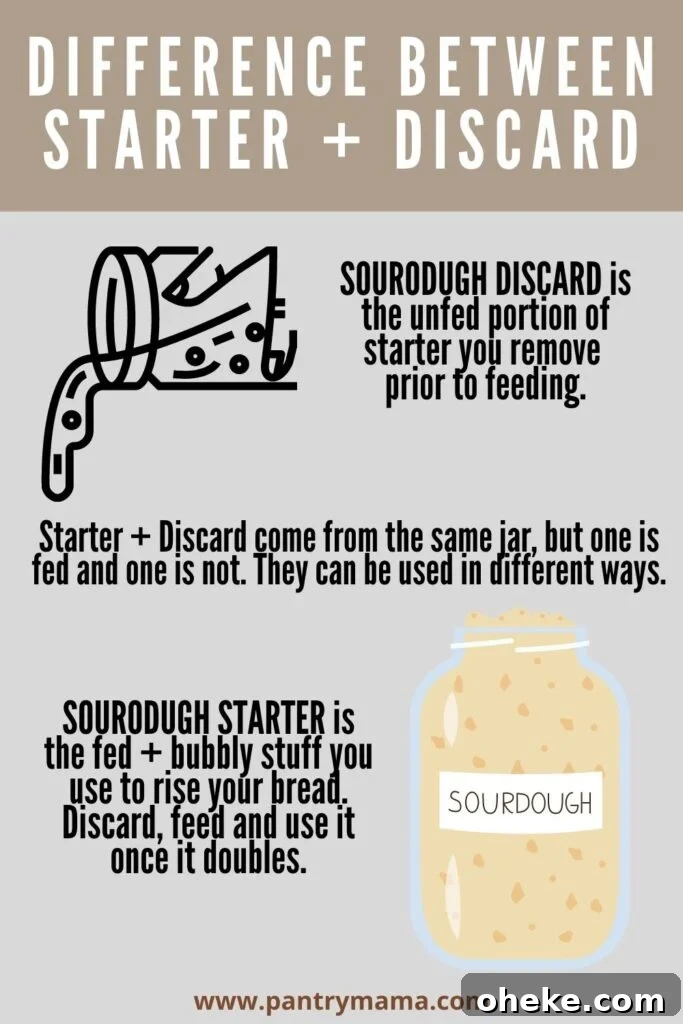
Sourdough discard is essentially the same culture as your starter—only it has not been recently fed. Discard is the portion removed to keep the starter manageable before you refresh it with flour and water.
Starter refers to the active, recently fed culture that has risen and is ready to leaven bread. Both come from the same jar and share the same microorganisms; the primary difference is timing and activity level.
Discard can still contain active bacteria and yeasts, but unless given time and added flour, it may not contribute meaningful fermentation when mixed directly into a recipe.
Why Use Sourdough Discard?
Discard is commonly used to reduce food waste. Instead of tossing the excess culture, many home bakers incorporate it into recipes. How you use it determines whether it contributes fermentation or simply flavor.
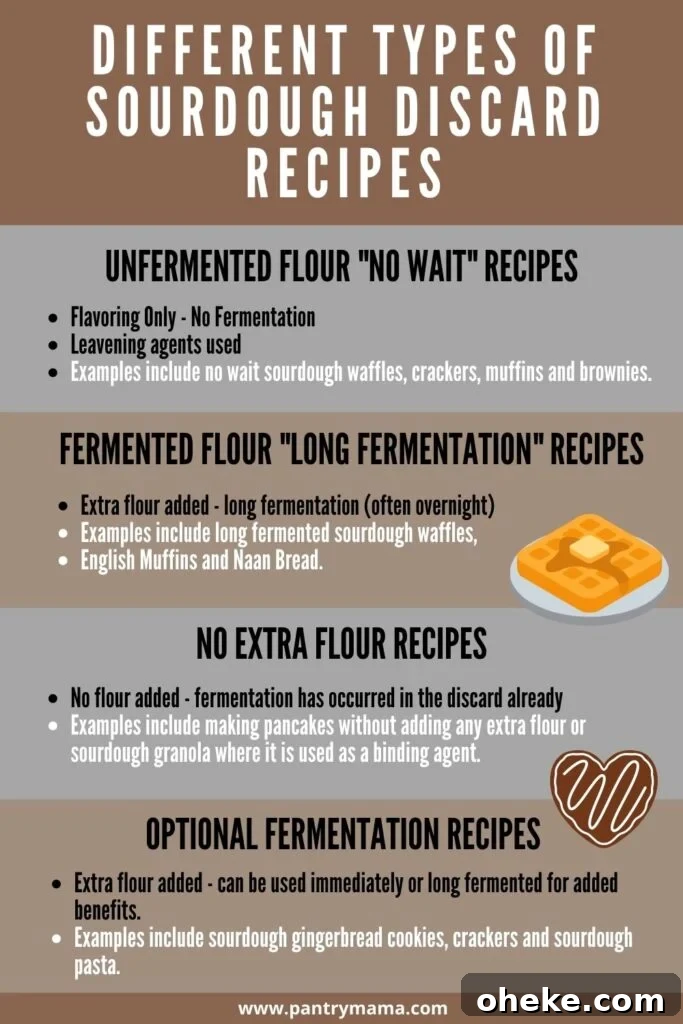
There are a few common approaches:
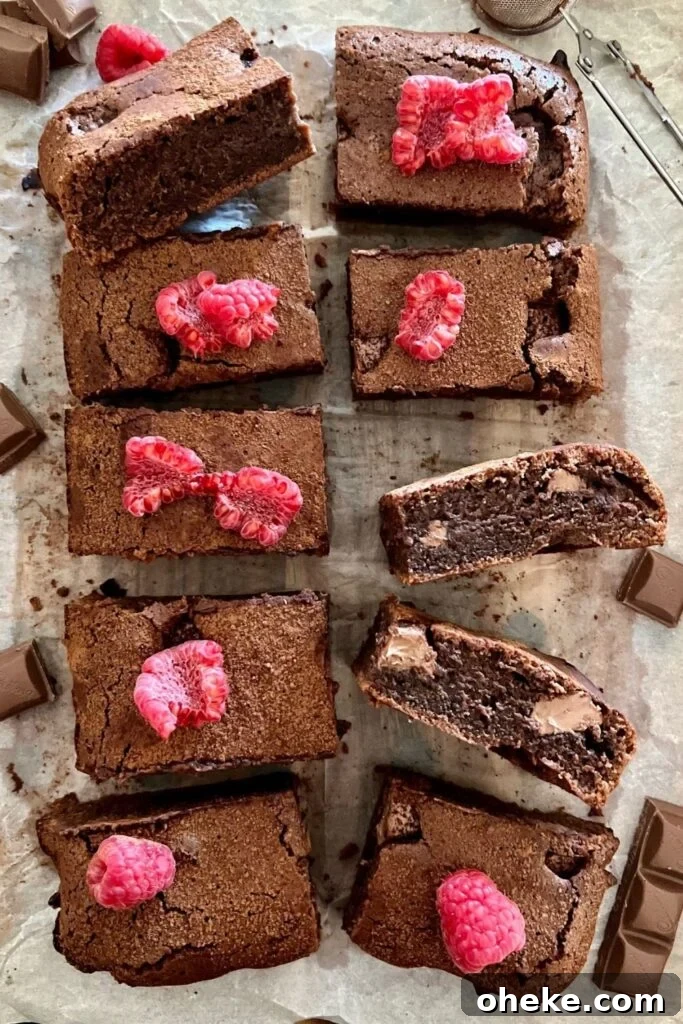
Unfermented additions – Discard can be added to recipes purely for flavor. In these no‑ferment recipes, the discard acts like an ingredient rather than a fermenting agent. Commercial yeast, baking powder, or baking soda typically provide leavening. Examples include crackers, quick banana breads, waffles, and some brownies.
Long ferment recipes – If you add extra flour and water to discard and allow an extended fermentation, the mixture can develop the same acidity and enzymatic activity as a fed starter. These recipes often require overnight resting to achieve leavening and flavor—think English muffins, pretzels, or flatbreads like naan.
No extra flour – Some uses rely solely on the discard as-is, where the fermentation has already occurred in the starter. Examples include pancakes, crepes, granola used as a binder, or certain quick batters that don’t call for additional flour and therefore don’t require further fermentation.
Choice recipes – Some preparations can be made either immediately or left to ferment overnight. Allowing these to sit can deepen flavor and improve digestibility, though it isn’t always necessary. Dumplings, pasta, cookies, and breadsticks often fall into this flexible category.
Allowing discard to ferment with added flour will yield more of the classic sourdough benefits, but many people use discard for its tang and texture without extended fermentation.
How To Use Discarded Sourdough Starter
Discard works well in any recipe that accepts an additional liquid or mild acidity. It is versatile in muffins, cakes, crackers, sauces, rolls, and some breads.
Keep in mind that discard behaves more like a liquid ingredient, so adjust other liquids and flours in the recipe to maintain proper texture. Too much discard can make batters too runny or change baking behavior.
Use discard to replace a portion of the flour and water in baked goods, or to add tang and depth to sauces and batters. For thickening sauces, reduce other liquids; for quick breads and muffins, substitute part of the flour and liquid to retain balance.
Is Sourdough Discard Nutritious?
Yes. Discard contains the same microorganisms, organic acids, and enzymatic products as starter because it has undergone fermentation. Those compounds include B vitamins, organic acids, and beneficial bacteria associated with sourdough cultures.
However, the overall nutritional impact depends on the final recipe. If discard is used in sweet, high‑sugar baked goods that contain unfermented flour, you won’t gain the same digestive advantages as you would from a long‑fermented sourdough loaf.
Longer fermentation with added flour can reproduce many of the advantages linked to sourdough bread, such as lower glycemic response, better digestibility, and promotion of beneficial gut bacteria. Still, typical discard recipes often include extra sugar, salt, or leavening that change the health profile, just like any other baked treat.
In general, a properly fermented sourdough bread will offer more consistent health benefits than most quick discard creations, but discard remains a nutritious and practical ingredient when used thoughtfully.
- Lower glycemic index when fully fermented
- Greater satiety compared to some refined baked goods
- Slower blood sugar response if properly fermented
- Easier digestion after extended fermentation
- Fewer preservatives in homemade preparations
- Natural yeasts and bacteria that can support gut microbes
Can Gluten Sensitive People Still Enjoy Sourdough Discard Recipes?
This depends on the individual and the recipe. People with non‑celiac gluten sensitivity may tolerate long‑fermented sourdough better because extended fermentation helps break down gluten and phytic acid.
If a discard recipe involves no additional fermentation—such as many quick, no‑wait recipes—those with gluten sensitivity may still experience symptoms, because the flour hasn’t been broken down further.
Overnight or long‑fermented discard recipes have a better chance of being tolerated, but this can vary widely by person. Those with celiac disease should avoid any recipe containing gluten unless a certified gluten‑free flour is used and all cross‑contamination risks are addressed.

Further Reading
If you want to explore more topics about sourdough and discard, consider reading articles on whether sourdough bread is gluten free, why discarding is necessary, how long discard keeps in the fridge, how to scale your starter, and the calorie content of sourdough bread.
- Is Sourdough Bread Gluten Free?
- Why You Must Discard Sourdough Starter Before Every Feed
- How Long Is Sourdough Discard Good For In The Fridge?
- How To Increase Your Sourdough Starter
- How Many Calories in Sourdough Bread?