Inside: How to bring life to your home without staged, awkward displays. Instead, learn how to surround yourself with pretty, useful things you actually use. It really is that simple.
Vignettes can feel strange — carefully arranged groups of objects meant to look effortless, but often untouchable. They’re supposed to read like a snapshot of life, yet sometimes they read as props.
The word vignette comes from literature, where it means a brief scene or glimpse that suggests a larger story. In the home, a vignette should do the same: a small arrangement of real objects that tells the story of how the room is used. When done well and authentically, vignettes give a house soul.
The Problem with Vignettes
But what if your actual belongings aren’t picture-perfect? Maybe your everyday things are inexpensive, practical items hidden away because you don’t want them on display. When useful items disappear into closets, rooms can look lifeless — and that often prompts people to stage artificial vignettes that don’t reflect real life.
That’s when we create little excerpts of a fanciful story: “Here’s a glimpse of my life — antique books, vintage dice, and curated props.” It might photograph nicely, but it can feel fake in everyday living.

It’s lovely for a moment — and then you worry the display will be ruined by real life.
Embracing Attractive Utility
Instead of staging, consider attractive utility: choosing items that are both beautiful and genuinely useful. Not merely decorative antiques placed where they’ll never be touched, but objects you and your household will use day to day.
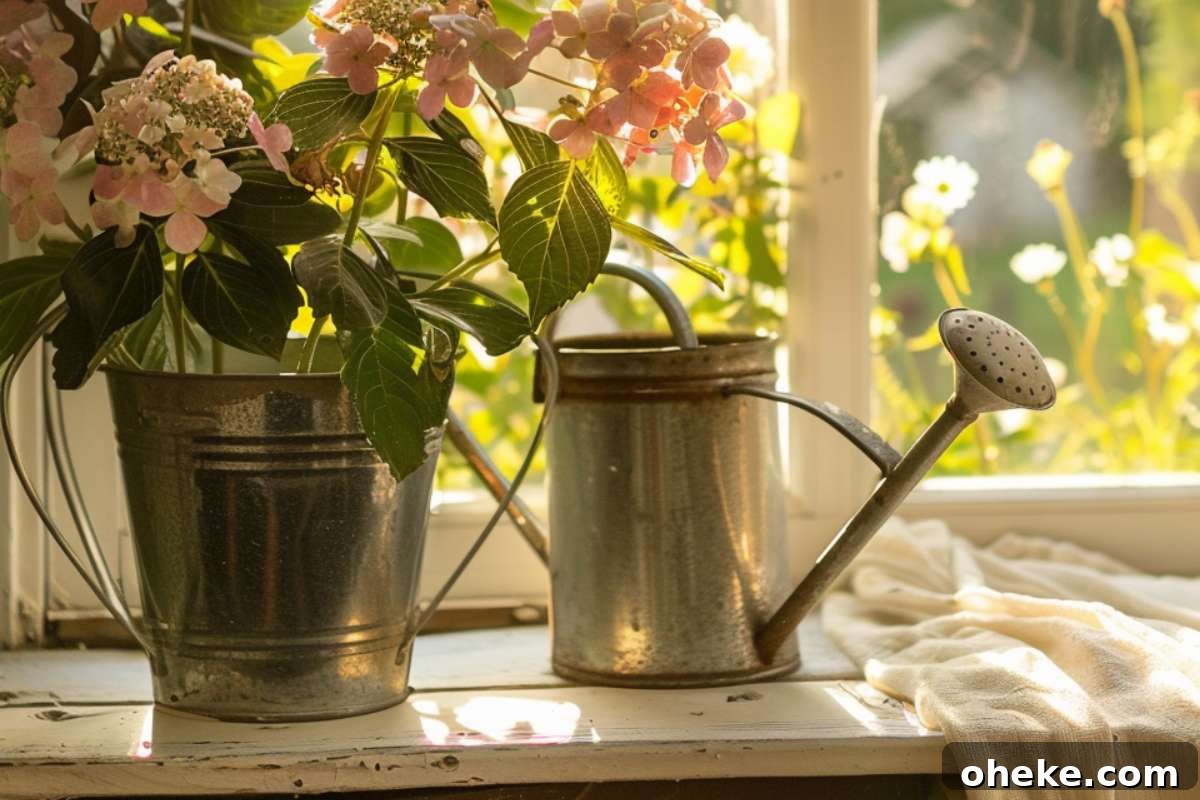
Think of a pretty watering can left on the porch because you regularly water plants, or wooden spoons and rolling pins that live on the counter because they’re used every week. When functional things are attractive, they can be left out confidently.
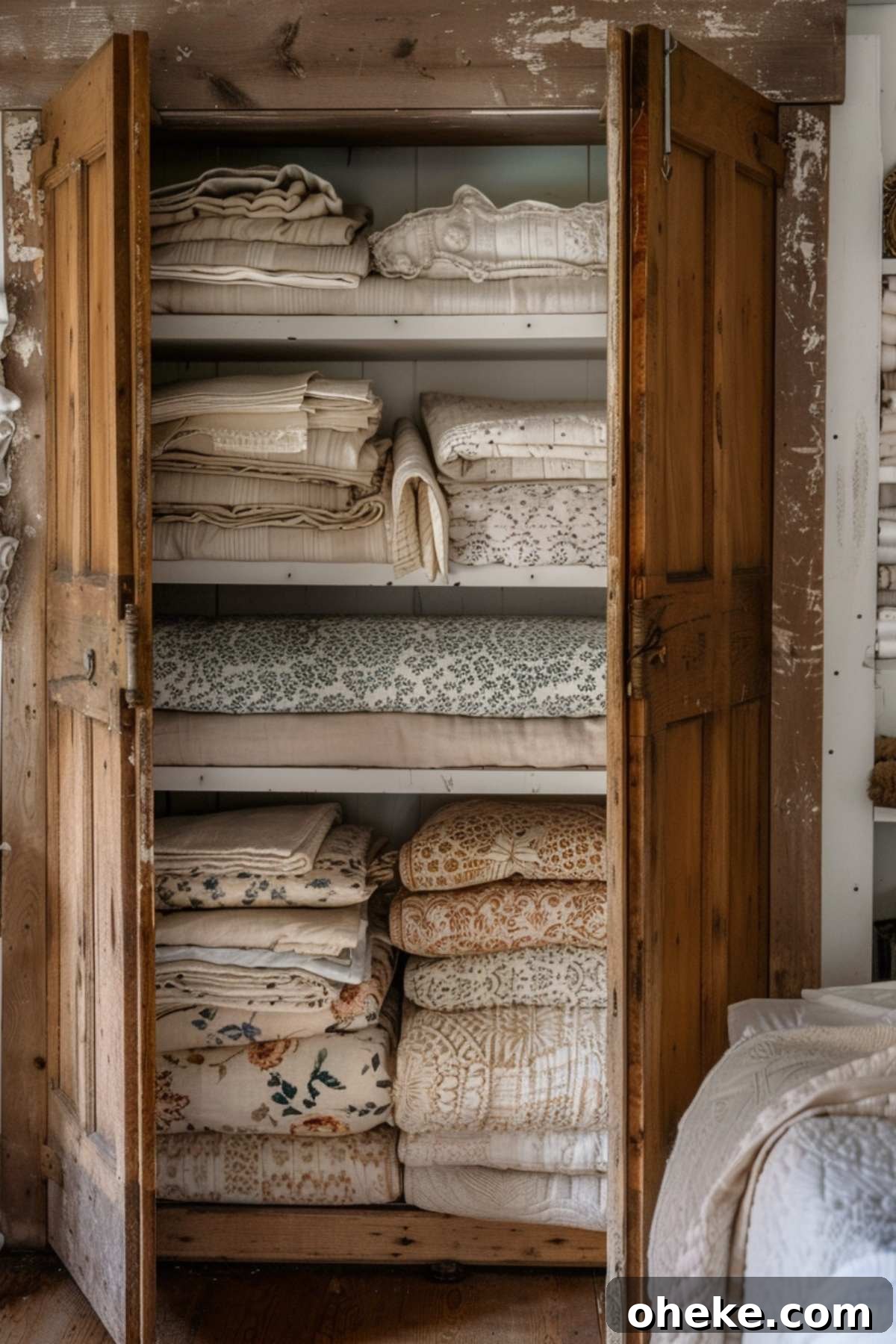
Small choices make a big difference: pour cleaners into clear, unlabeled bottles, choose wooden cutting boards over plastic, and pick tea towels in patterns and colors you love. When common items look intentional, your home feels lived-in and warm rather than staged or sterile.
When everyday items are pleasing to the eye, you don’t feel the urge to hide them. Guests can drop by unannounced and the house still feels welcoming because the things in view are part of daily life and also pleasing to see.
How to Start Making the Shift
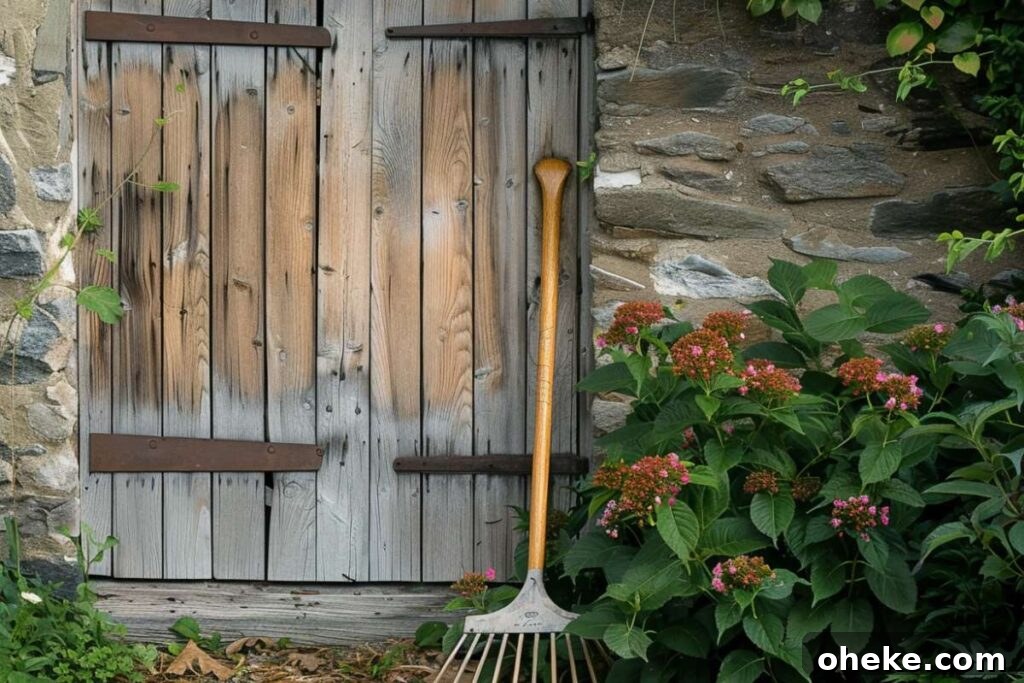
Make “attractive utility” a buying guideline. If something needs replacing, choose a piece that will be used and that you won’t mind seeing out in the open. For example, replace a cheap plastic broom with a well-made, visually pleasing option. Avoid plastic when possible and favor items that look handmade or have natural materials.
As you curate your home, prioritize function first and beauty second — though occasional purely decorative items like flowers, art, or seasonal accents are perfectly fine to keep the space feeling personal and layered.
Shop Mindfully
Before buying something “just to fill a space,” ask whether it’s genuinely beautiful and whether you’ll interact with it regularly. Choose items that earn their place in daily life.
Examples of “Attractive Utility” in Everyday Life
- Kitchen:
- A ceramic crock on the counter holding frequently used wooden spoons and spatulas.
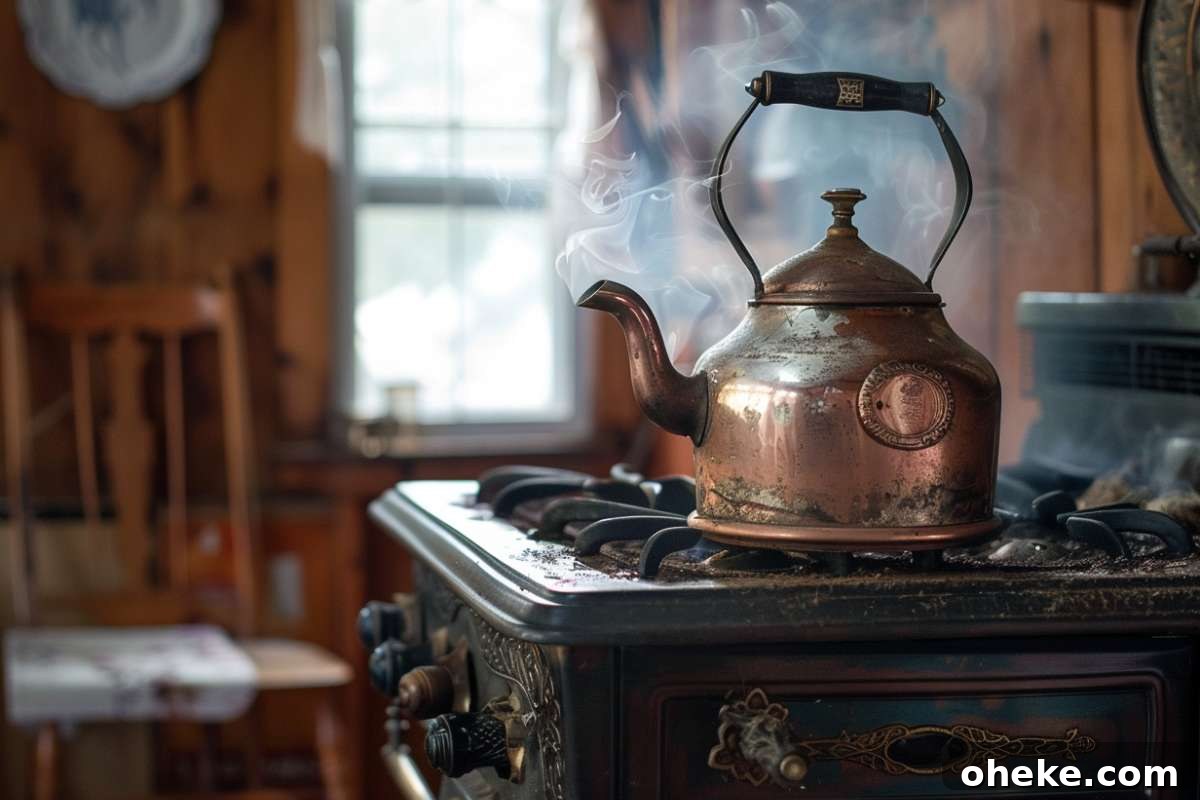
- A colorful tea kettle on the stovetop, ready to boil water at any time.
- Open shelving that displays a rotating collection of mismatched mugs actually in use.
- Bathroom:
- Apothecary jars on the counter filled with bath salts, cotton balls, or Q-tips.
- A woven basket with rolled hand towels for easy access instead of hidden stacks.
- A small cart repurposed to store toiletries and display a plant for a lived-in look.
- Living Spaces:
- A cozy throw draped over a chair, inviting use rather than looking staged.
- A small stack of current favorite books on the coffee table for everyday reading.
- A tray on an ottoman holding a candle and a vase of fresh flowers for a quick, functional vignette.
Do you love vignettes or find them fussy? Or maybe they’ve never crossed your mind. Either way, thoughtful, useful items make home feel warm and authentic — and that’s the whole point. Share what you think!