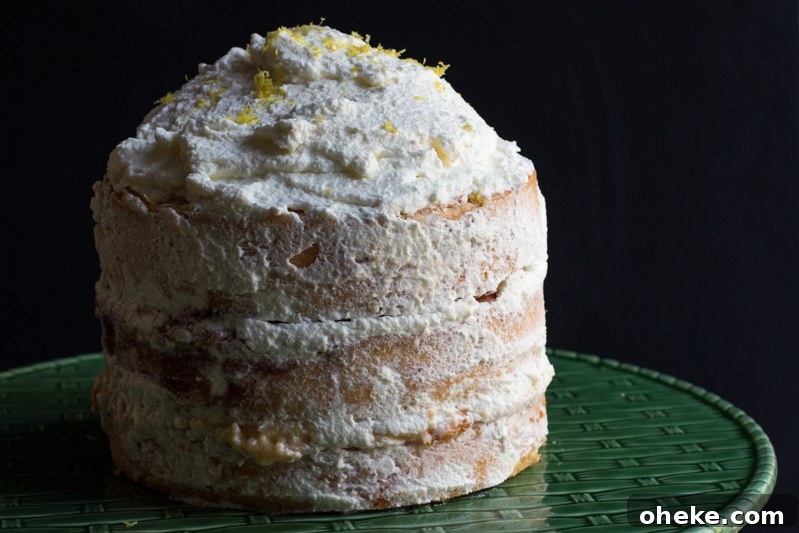
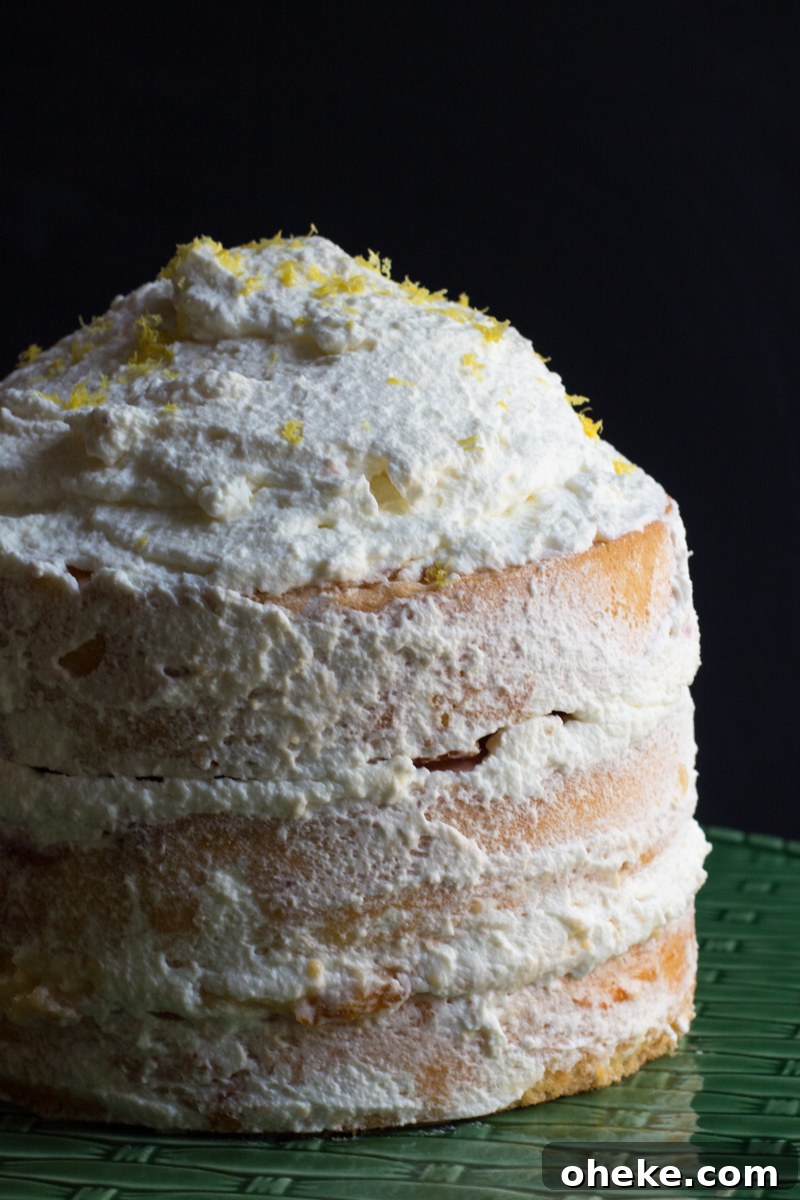
This is the final month of the Secret Recipe Club, and I wanted to mark the occasion with a special dessert: a classic Danish lagkage, or layer cake. Over the years the Secret Recipe Club brought together food bloggers from far and wide, and this tradition has been a favorite monthly ritual for many of us. Baking this cake felt like a fitting farewell — light, celebratory, and full of flavor.
Food blogging is largely a solo pursuit: testing recipes in our own kitchens, photographing the results, writing and editing posts, and sharing them across social channels. Group events like the Secret Recipe Club break that solitude by giving us shared challenges and chances to support one another. We trade tips, troubleshoot technical hiccups, and celebrate creative takes on the same prompt. Those connections — even when they start online — can become real friendships and are one of the best parts of food blogging.

This month I was assigned to Sid’s Sea Palm Cooking. Sid brings a warm, lively voice to her blog: she shares Danish family recipes, loves cardamom, and often writes about gatherings with friends, Taco Nights, and cozy evenings with board games. I chose a dessert that honors her Danish roots: Lagkage. It’s a traditional Danish birthday cake made from sponge layers with fillings such as custard, jams, and whipped cream. I’m glad I made it — the result is tender, light, and subtly fragrant with lemon zest.
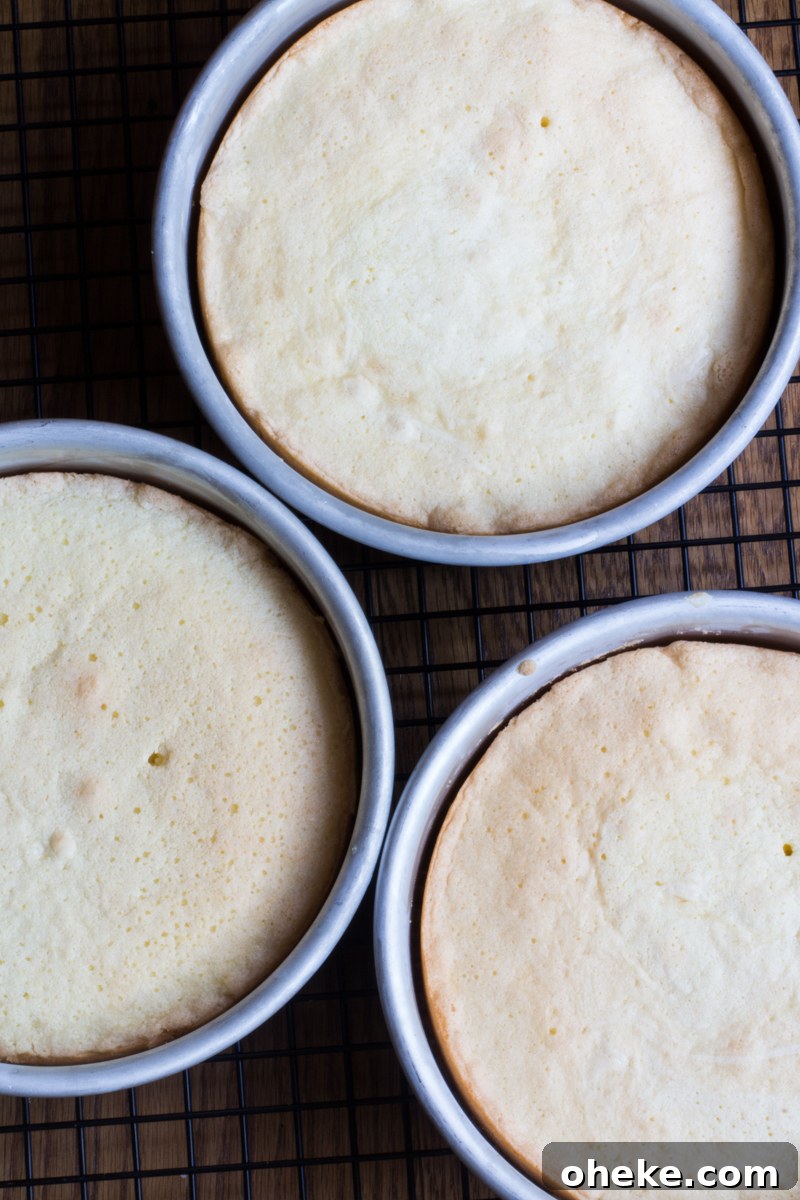
Lagkage is typically made with a sponge cake similar to genoise, and many traditional recipes omit butter and milk, which keeps the cake unusually light. Some recipes do include a bit of butter or milk; both versions are authentic. Important tips: after baking, wrap each layer in plastic and let them rest on the counter overnight if possible — this helps the crumb relax and prevents dryness. If you can’t wait overnight, allow several hours between baking and assembly. A light brush of flavored simple syrup (equal parts sugar and water, warmed until dissolved) also keeps the layers moist and adds flavor.
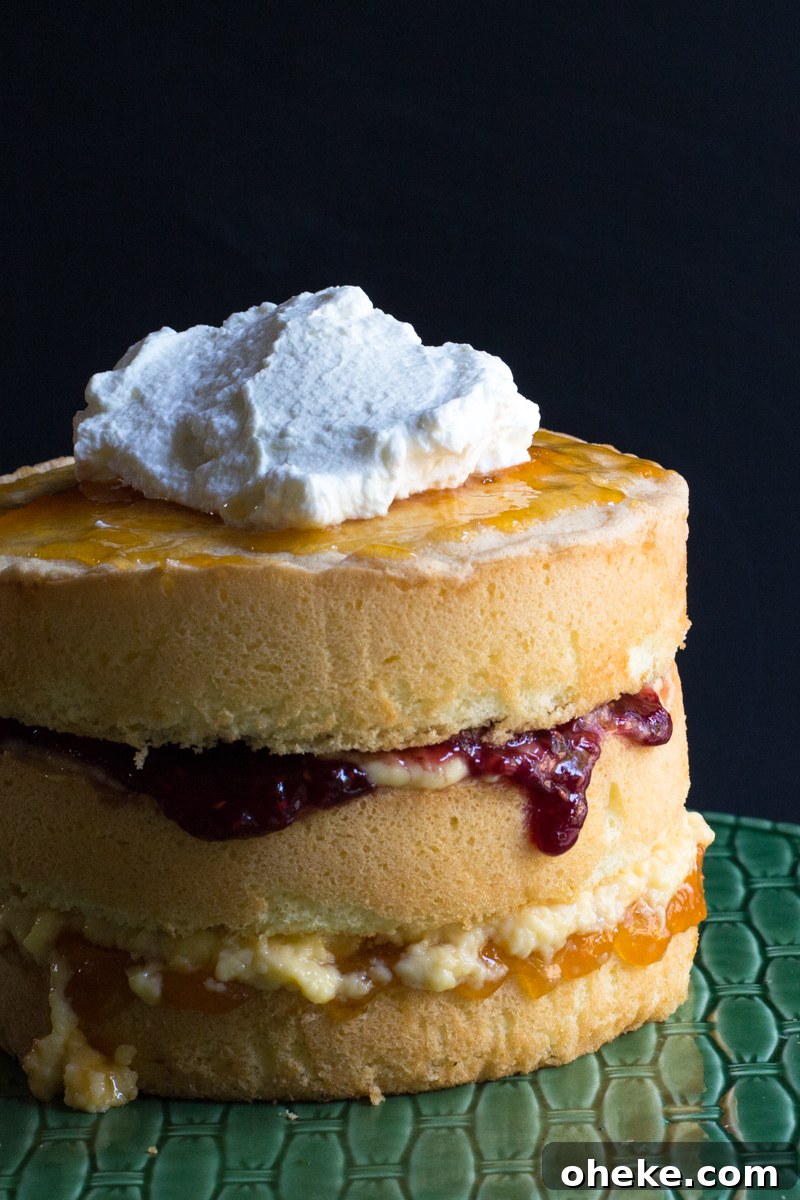
The classic filling combination includes custard or pastry cream, apricot jam, raspberry jam, and whipped cream. The custard adds richness and body; the jams add fruit brightness and balance the cream. The assembled cake is finished with lightly sweetened whipped cream and a thin coating around the sides. The finished cake is elegant yet approachable — perfect for birthdays, gatherings, or any time you want a dessert that feels festive but not overly heavy.
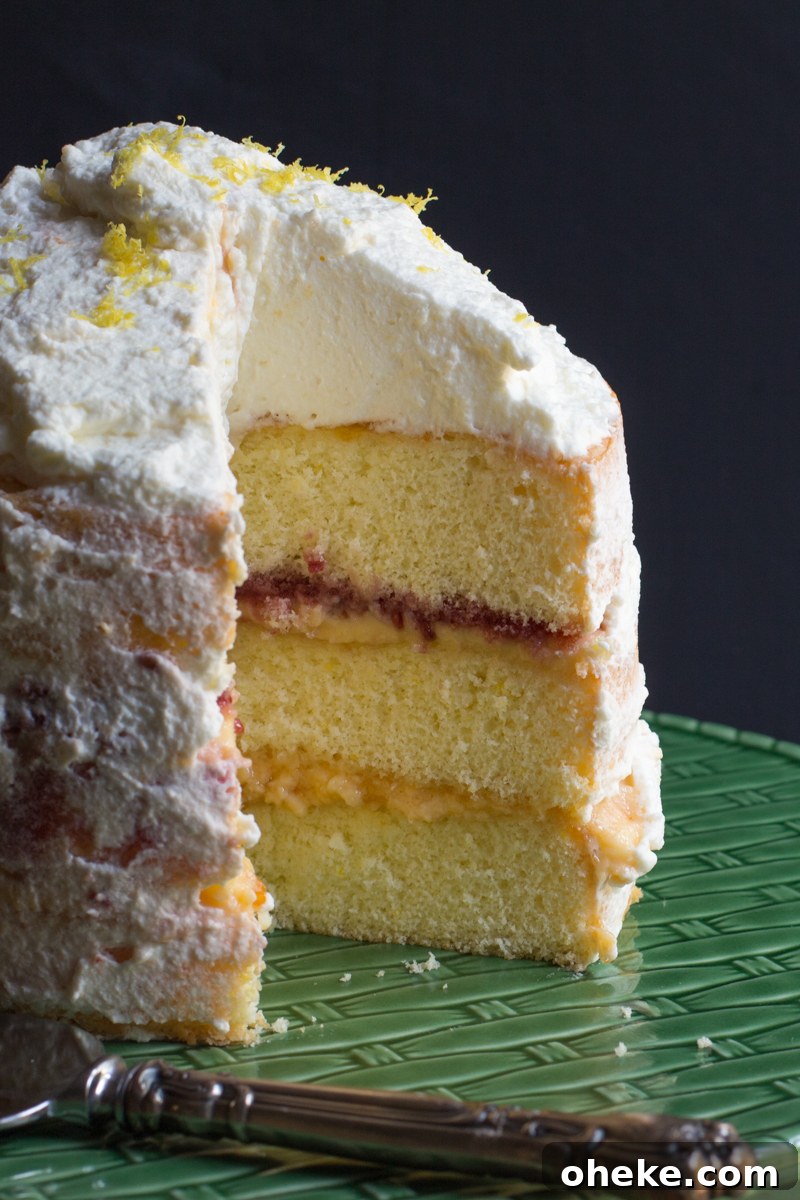
If you enjoy airy, refined cakes, this one is a winner. It’s also a great canvas for seasonal fruit jams or flavored custards. Below is a clear, practical version of the recipe I used, adapted and organized for easy reading and reliable results.
Lagkage (Danish Layer Cake)
Ingredients
Cake
- 1 cup extra fine granulated sugar
- 3 eggs
- Grated zest from ½ lemon
- ½ cup all-purpose flour
- 1 cup potato starch
- 1 teaspoon baking powder
- 1 teaspoon kosher salt
Filling
- 1 pint custard or pastry cream (homemade or store-bought)
- ¼ cup apricot jam, warmed slightly for spreading
- 2 tablespoons raspberry jam, warmed slightly for spreading
Topping
- 1 cup heavy whipping cream
- 2 tablespoons sugar (for the whipped cream)
- Grated zest of ½ lemon (optional, for flavoring the cream)
Instructions
- Preheat the oven to 350°F (175°C). Prepare three 6-inch cake pans by buttering the bottoms and lining them with parchment paper.
- In the bowl of a standing mixer fitted with the whisk attachment, combine the sugar, eggs, and lemon zest. Whisk until the sugar is dissolved and the mixture lightens in color and thickens, a few minutes on medium-high speed.
- In a separate bowl, whisk together the all-purpose flour, potato starch, baking powder, and salt. Using a rubber spatula, fold the dry ingredients into the egg mixture in three additions, ensuring each addition is fully incorporated before adding the next.
- You should have about 3 cups of batter. Divide evenly among the three prepared pans and bake until the tops are lightly browned and spring back slightly, about 12–13 minutes.
- Run a sharp knife around the pan sides and invert each layer onto a wire rack to cool. Leave the parchment on the layers. Once cooled, wrap each layer tightly in plastic wrap and let rest at room temperature overnight or for several hours to retain moisture.
- Prepare the custard or pastry cream and warm the jams slightly so they spread easily. Whip the heavy cream to soft peaks, add the sugar one tablespoon at a time, then continue whipping to medium-firm peaks. Stir in lemon zest if desired.
- Remove parchment from cake layers. On two of the layers spread a generous layer of custard. Spread apricot jam lightly on top of one custard layer and on the layer without custard. Spread raspberry jam on the other custard layer.
- Stack the layers gently, finishing with the un-custarded layer on top. Scrape away any excess custard or jam that squeezes out between layers.
- Top the assembled cake with the whipped cream and apply a thin, even coating to the sides with a spatula. Chill briefly to set the cream before serving, or serve at once for a softer texture.
Notes
For the smoothest custard, whisk it thoroughly and strain through a fine mesh sieve to remove any lumps. Resting the cake layers after baking makes assembly easier and improves texture. A light simple syrup brushed on the layers (equal parts sugar and water, warmed) will add moisture and flavor if desired. This recipe was adapted from Sid’s Sea Palm Cooking.
Nutrition: calories were estimated for 12 servings using a nutrition calculator; values will vary based on specific ingredients.
If you enjoy airy sponge cakes, try pairing this lagkage with fresh berries or a flavored custard for seasonal variations. This cake is a lovely centerpiece for gatherings and invites customization — swap jams or add a thin layer of fruit compote for a seasonal twist. Farewell to the Secret Recipe Club — and here’s to many more kitchen experiments and shared bakes, near and far.