News from Mary’s Nest: Aprons, Vinegar, and Diets
Today I’m sharing a few updates from my kitchen. Several readers asked about recent photos on my Facebook and Instagram, so here’s a brief rundown on what I’ve been doing with aprons, fruit-scrap vinegar, and a new book I’ve been reading about traditional diets.
A Beautiful Handmade Apron
I recently ordered a handcrafted apron from Heidi at Rain Country Homestead on Etsy. It’s a generously cut, ruffled floral apron that feels very much like something a pioneer woman might wear—solid construction, thoughtful details, and clear care in every stitch. I love the way it looks and how comfortable it is in the kitchen. Heidi also makes skirts and accepts custom orders, so if you like handmade pieces, her shop is worth a visit.
Homemade “Fruit Scrap” Vinegar
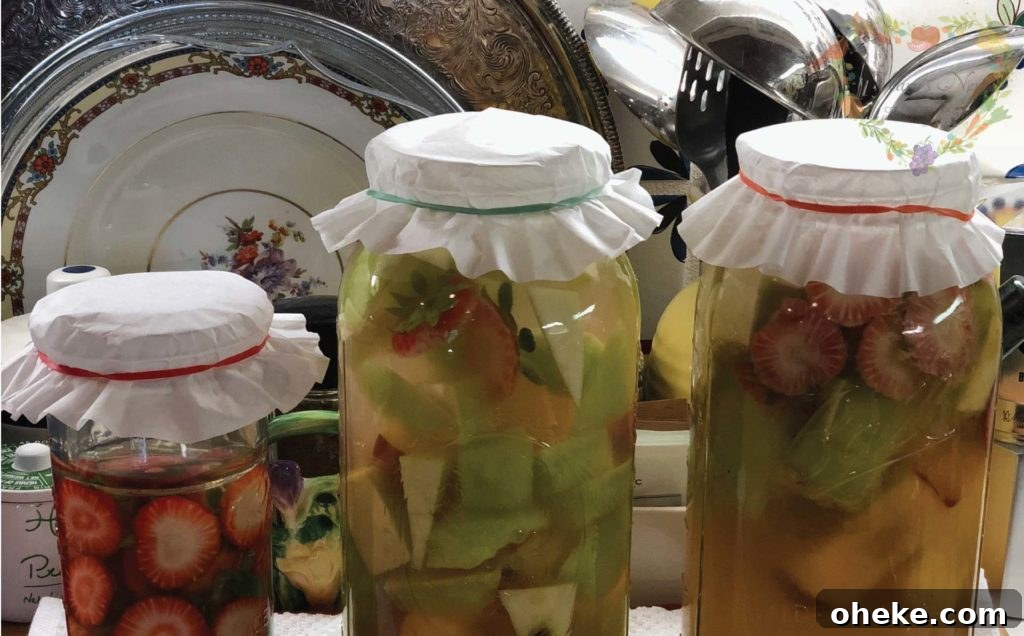
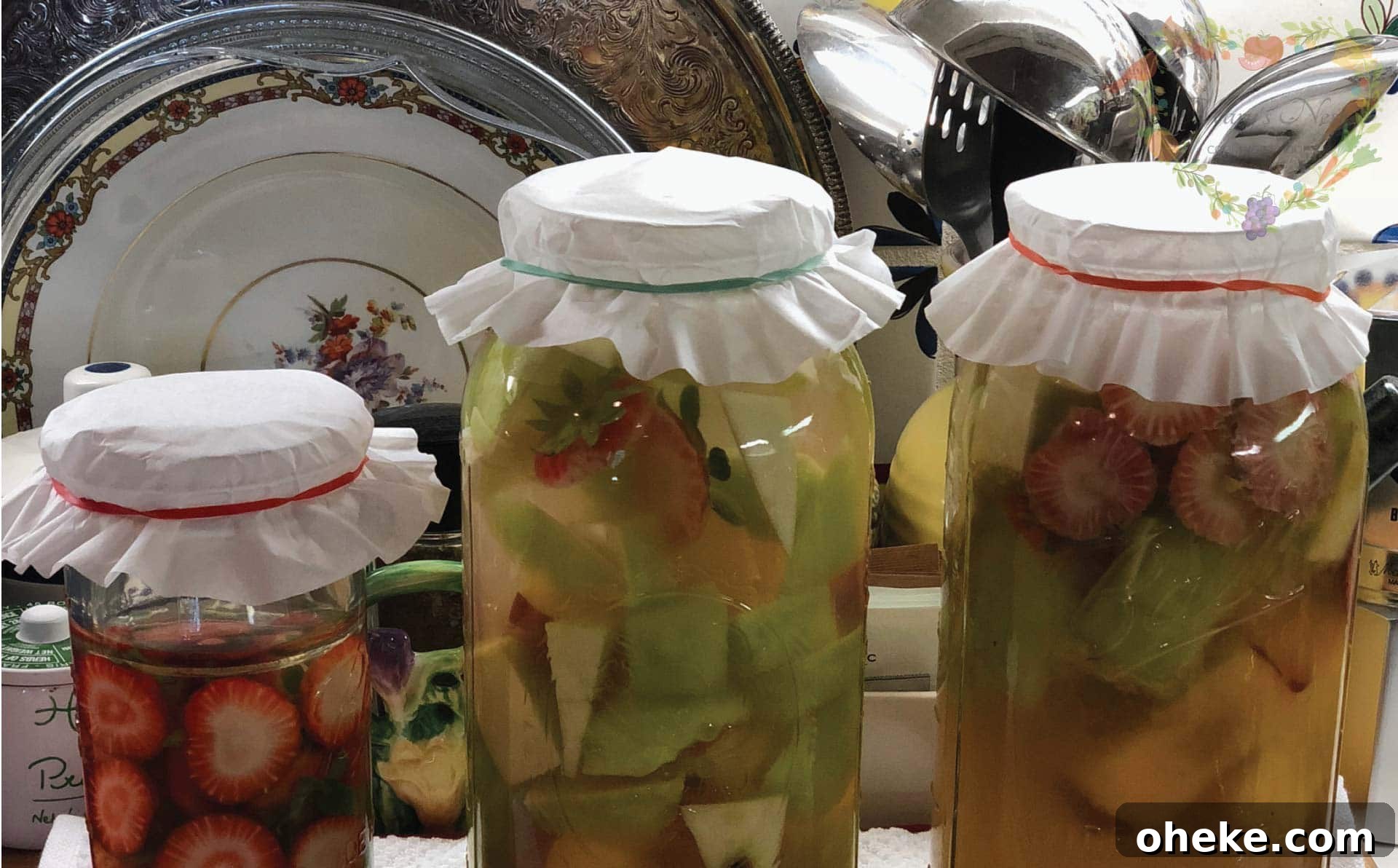
Watching Heidi make fruit-scrap vinegar inspired me to try my own. It’s a wonderfully economical way to turn peels and tops that would normally go to compost into useful kitchen staples. I made three small batches to test different flavors:
- Strawberry tops only — a bright, fruity vinegar I’ll use for salad dressings.
- Nectarine scraps combined with honeydew rinds and a few strawberry tops — a mild, sweet vinegar I plan to dilute for a gentle hair rinse.
- Honeydew rinds mixed with lemon peels and a few apricot scraps — a lemony vinegar I’ll use for cleaning around the house.
The method is very simple:
- Fill a jar about halfway with fruit scraps.
- Cover with water.
- Add sugar (about 1/4 cup for a half-gallon jar).
- Stir, cover, and set aside.
After a few days add another 1/4 cup of sugar and stir again. Over four to eight weeks the mixture will ferment into vinegar. Stirring daily speeds the process; a chopstick works well. When it smells and tastes tangy, test the acidity with pH strips if you like — I look for pH below 4.5. My batch measured about 3.0. Once it’s ready, strain out the solids and decant the vinegar into clean bottles. It’s inexpensive, eco-friendly, and fun to experiment with different fruit combinations.
If you try this and have questions, leave a comment below — I’m happy to help.
And a Book All About Nourishing Diets
On a different note, I’ve been reading Nourishing Diets: How Paleo, Ancestral and Traditional Peoples Really Ate by Sally Fallon Morell. After I mentioned it on my Facebook and Instagram, several people asked what the book covers.
Nourishing Diets examines the eating habits of traditional cultures and compares common assumptions about ancestral diets with historical and anthropological evidence. Rather than promoting a single one-size-fits-all eating plan, the book highlights that traditional peoples often shared certain food practices — properly prepared grains, broths, cultured foods, and ferments — yet their macronutrient ratios varied widely depending on climate, resources, and cultural habits. Despite those differences, good health was common in many of these populations.
A key takeaway is that ancestry matters: the foods that suit one lineage may not be ideal for another. The book encourages readers to investigate what their direct ancestors ate and how they fared. That context, combined with seasonal eating, can guide choices toward foods that are likely to agree with you. Importantly, the book also addresses modern science, including epigenetics, explaining that genes don’t dictate destiny. Lifestyle and diet can influence gene expression, so choosing nourishing, traditional foods can improve health outcomes even when family history looks less than ideal.
For those who haven’t read Sally’s earlier work, Nourishing Traditions introduced many people to real-food practices such as bone broths, fermented foods, and traditional dairy preparations. I find both books valuable as practical references for anyone interested in traditional foodways and better health.
That wraps up my update for today. I share more details in my News from Mary’s Nest: Aprons, Vinegar, and Diets video, including how I made the basil salt I mentioned on social media. If you have questions or comments, please leave them below — I’d love to hear from you.