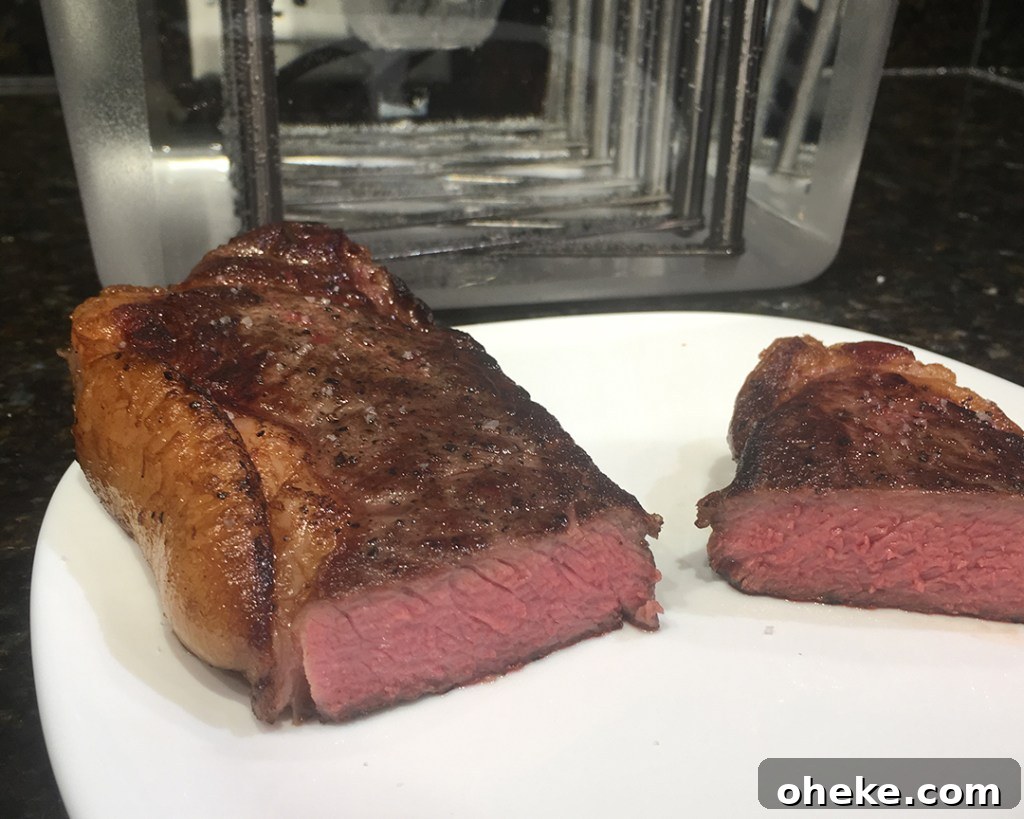
Sous vide cooking and grilling use very different methods—indirect, precisely controlled water-bath heat versus direct flame or hot grate heat—but both can produce excellent results for steaks, chicken, fish, and vegetables. Each technique has strengths and trade-offs. Below is a clear comparison to help you decide which method fits your needs, tastes, and timeline.
Sous vide cooking
Sous vide is a low-and-slow technique that cooks food sealed in a bag in a temperature-controlled water bath. For steaks, this method takes advantage of careful temperature control to denature muscle proteins just enough to produce a tender texture without forcing juices out. Typical sous vide temperatures for medium-rare steaks sit around the low 130s Fahrenheit, which allows the meat to reach a uniform doneness edge-to-edge without the moisture loss that occurs at higher temperatures.
Because sous vide holds the meat at precise temperatures for extended periods, it also helps break down collagen in connective tissues. Over time, that renders collagen into gelatin, creating a succulent, evenly tender interior that is difficult to achieve with high heat alone.
One downside is appearance and surface flavor: a steak straight out of the water bath will usually look uniformly pink or slightly gray and won’t have the browned crust or pronounced smoky notes that come from direct flame or hot metal. That’s why most cooks finish sous vide steaks with a quick, high-heat sear in a hot pan, on a grill, or with a torch to develop a caramelized crust and the Maillard flavors associated with traditional cooking.
Sous vide is forgiving and low-effort once the food is in the bath—timing has a wider margin for error, and it’s easy to hold food at serving temperature without overcooking. This makes it a great option for precise doneness and for busy hosts who want consistent results with minimal active monitoring.
Grilling
Grilling is one of the oldest cooking techniques and remains popular because of the flavors it creates. Cooking over a flame or hot coals produces the Maillard reaction and other surface browning that yield deep, complex, roasted and smoky flavors. Grill marks and a browned exterior also make the plate look instantly appealing.
Grilling uses much higher temperatures than sous vide and requires more attention. Heat from a grill can be uneven, especially with charcoal or wood, so controlling doneness across a thick cut requires skill: too much heat for too long can overcook the outer layers while leaving the center underdone. Resting meat after grilling is important to allow juices to redistribute and to retain moisture.
The high heat of the grill also renders fat quickly and helps break down collagen to some extent, producing a different kind of tenderness and mouthfeel than sous vide. Many people prefer grilled steaks precisely because of the combination of crust, smoke, and textural contrast between the seared exterior and a pink interior.
Sous Vide vs Grilling
- Both sous vide and grilling can produce excellent steak, but they emphasize different qualities.
- Sous vide delivers even doneness from edge to edge and outstanding tenderness; grilled steaks have a more visually appealing crust and stronger smoky, caramelized flavors.
- Sous vide steaks need a short, high-heat finish (sear) to develop a browned exterior and the Maillard flavors many people expect.
- Grilling typically requires more active attention and temperature management, while sous vide lets you set it and come back later with less risk of overcooking.
- Sous vide cooking takes longer overall, but it is more forgiving of timing; grilling is faster but demands careful monitoring to hit the desired doneness.
Choosing between the two often comes down to priorities: if you want a steak with perfect, consistent doneness and a tender texture, sous vide with a finishing sear is an excellent choice. If you prefer bold, smoky flavors and a crisp, caramelized crust, grilling is hard to beat. Many cooks combine both techniques—sous vide to achieve precise internal doneness and a quick grill or pan sear to build flavor and color—getting the best of both worlds.
Which method you prefer will depend on your workflow, available equipment, and flavor preferences. If you like a consistent, hands-off approach, sous vide will likely satisfy. If you enjoy the ritual of fire and want intense seared flavor, the grill is the way to go. Both techniques are valuable tools in the kitchen and can complement each other when used together.
Contributor:
This article was written by Stephanie Searor, MS RD LDN