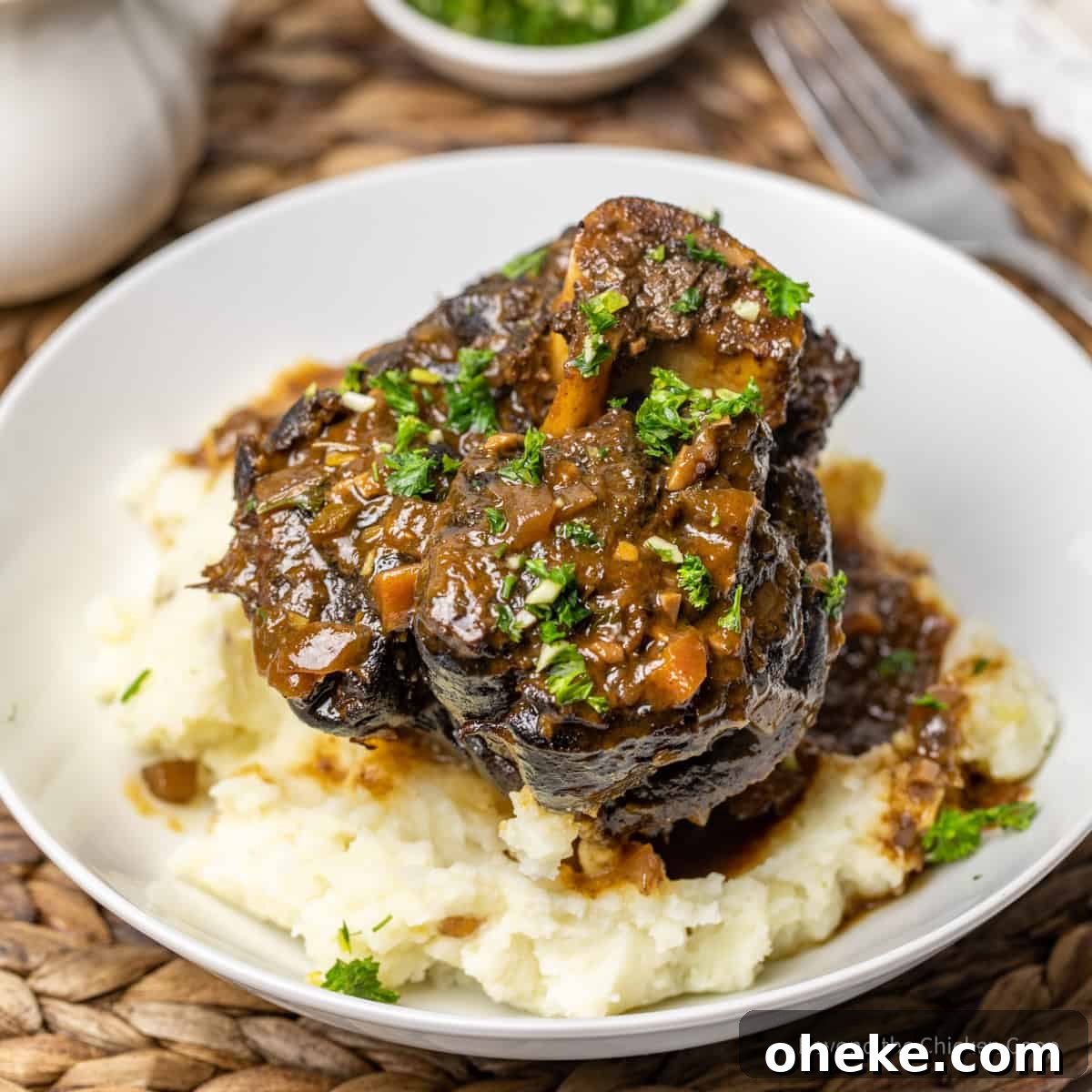
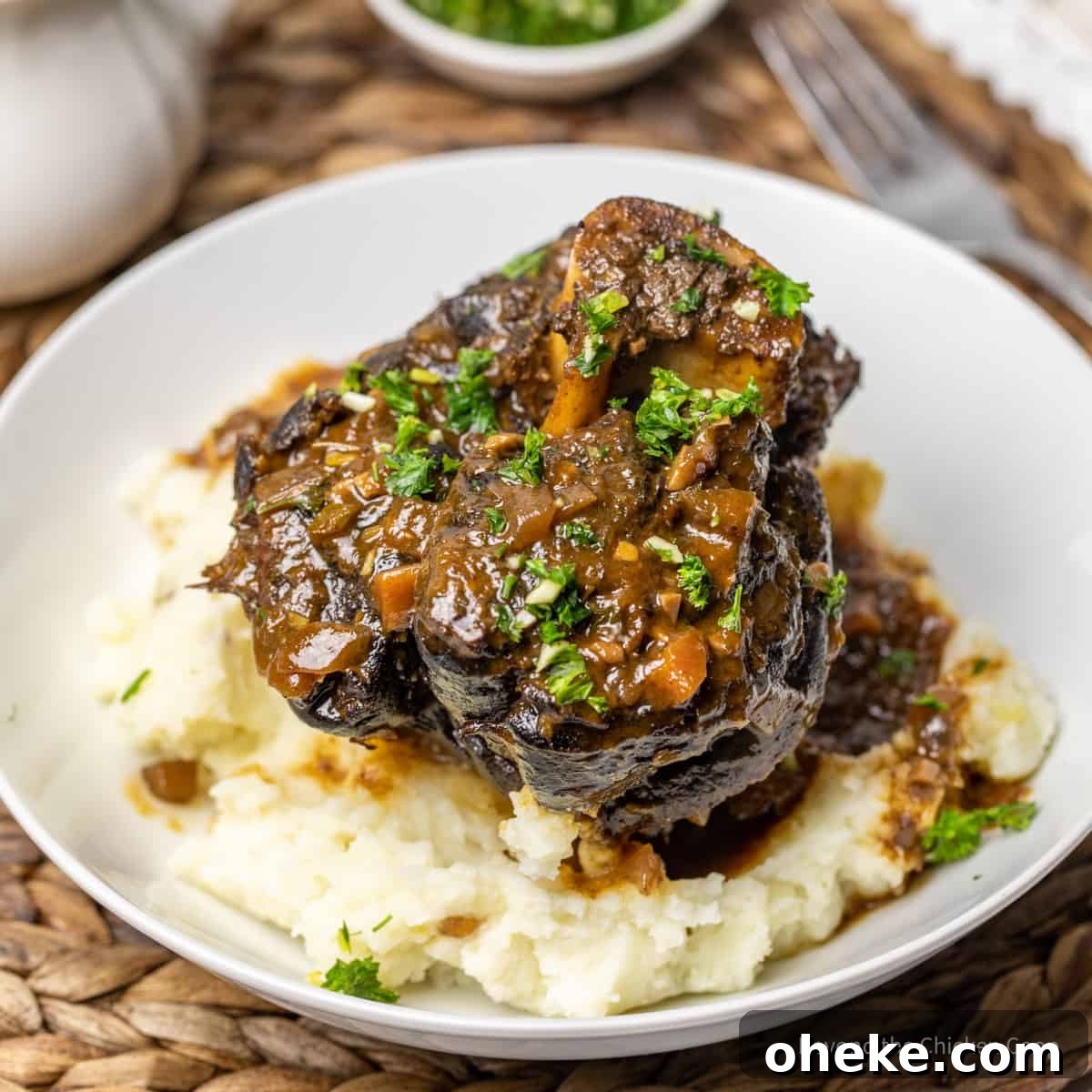
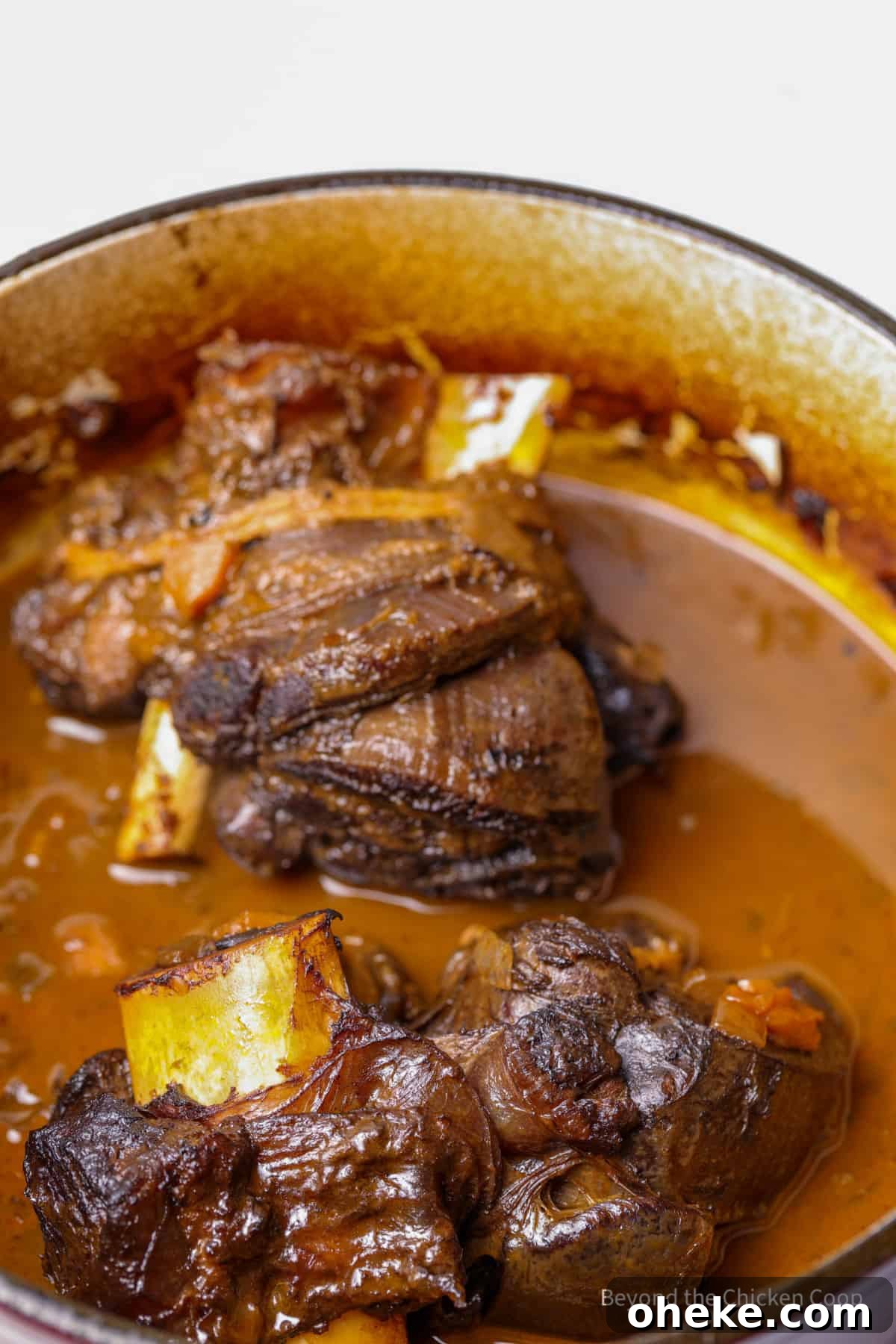
Delicious Elk Osso Buco made with wild elk shanks, slowly braised in a deeply flavored sauce. This rich, comforting dish is ideal for cold days and for anyone who appreciates slow-cooked, fork-tender meat. With a few simple ingredients and low, steady oven heat, the shanks break down into melt-in-your-mouth tenderness while creating a sauce that is rich, savory, and layered with flavor.
This Elk Osso Buco is a refined take on a classic braise. Using elk (or other wild game) instead of traditional veal or beef gives the dish a distinctive, lean flavor that pairs beautifully with red wine, tomato paste, and aromatic herbs. The result is elegant enough for a weekend dinner yet comforting and satisfying for a cozy family meal.
Wild elk meat
If you have access to wild game, elk shanks are an excellent choice for Osso Buco. Shanks come from the leg and are typically sold 2–4 inches thick; their marrow and connective tissue enrich the braising liquid as they cook. Elk is leaner than veal or beef, so the intense braising develops deep flavor without becoming greasy. The low-and-slow method—several hours in a moderate oven—softens the collagen, making the meat fall-apart tender and infusing the sauce with rich, meaty notes.
Osso Buco requires little active time but a fair amount of oven time. Plan ahead: after searing and building the sauce on the stovetop, the dish braises for several hours until the shanks are very tender. Serve over creamy mashed potatoes, polenta, or wide egg noodles and finish with a bright gremolata of parsley, lemon zest, and garlic to cut through the richness.
Key ingredients
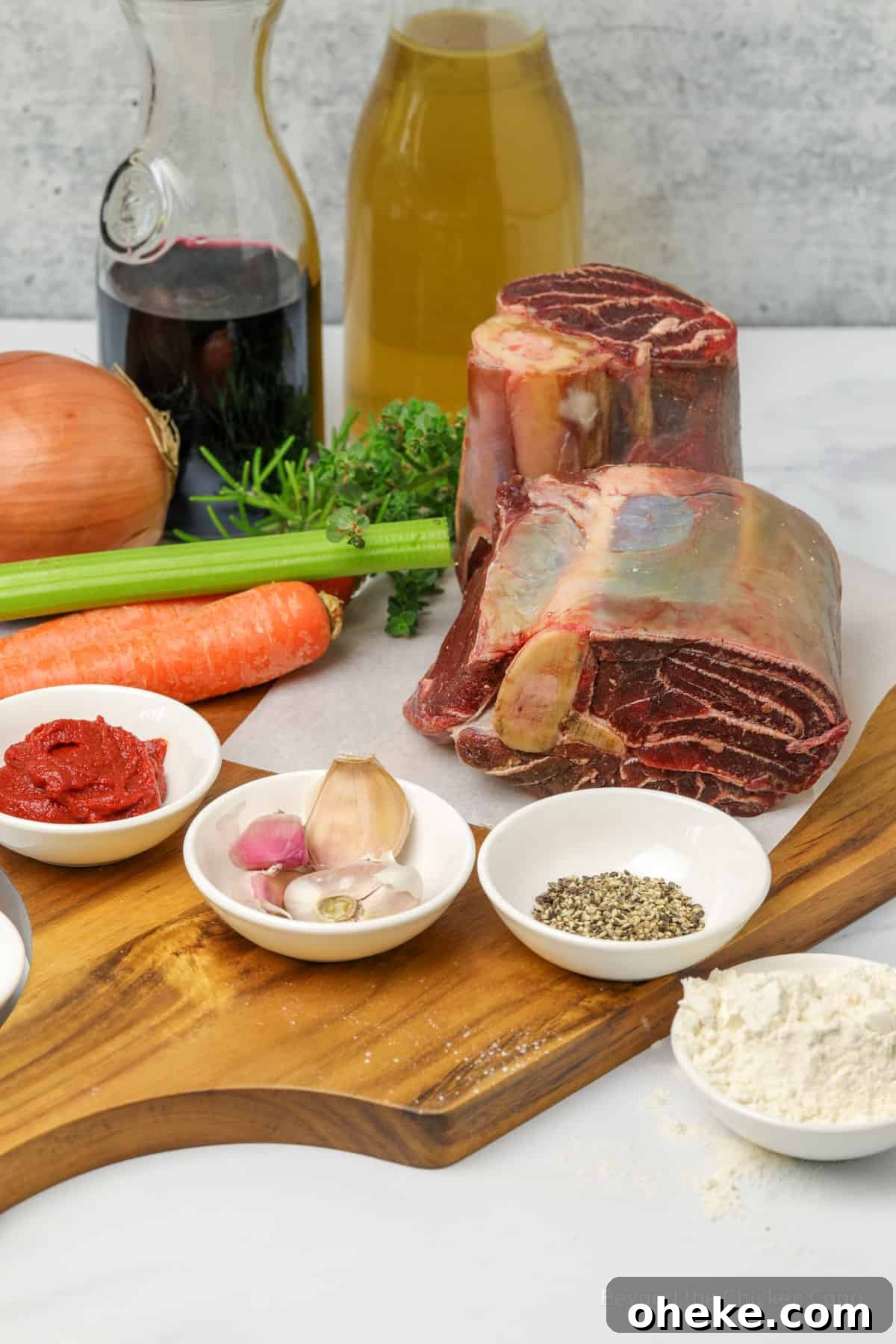
- Elk shanks – 2 to 4 shanks, 2–4 inches thick. Substitute beef, moose, or large venison shanks if needed.
- Chicken or beef stock – Unsalted stock allows you to control seasoning.
- Dry red wine – A full-bodied wine like Cabernet, Merlot, or a red blend adds depth; a dry white can be used for a lighter profile.
- Tomato paste – Concentrates flavor and gives the sauce body and color.
- Aromatics – Onion, carrot, celery, and garlic form the base. Optional mushrooms (dried or fresh morels) complement wild-game flavors.
- Herbs – Fresh rosemary, thyme, and a bay leaf; parsley added at the end brightens the sauce.
Step-by-step directions
- Tie each shank with butcher’s twine if you want to keep the meat neatly together while braising (optional).
- Season shanks with salt and pepper, then dredge lightly in flour, shaking off excess.
- Heat a heavy Dutch oven over medium-high heat, add oil, and brown shanks on all sides. Remove and set aside.
- Add a little more oil and sauté diced onion, carrot, and celery until softened, about 4–6 minutes. Add minced garlic and cook briefly.
- Make a well in the pan and add tomato paste; cook briefly until it darkens slightly. Add red wine and scrape up browned bits from the pan; let the wine reduce slightly.
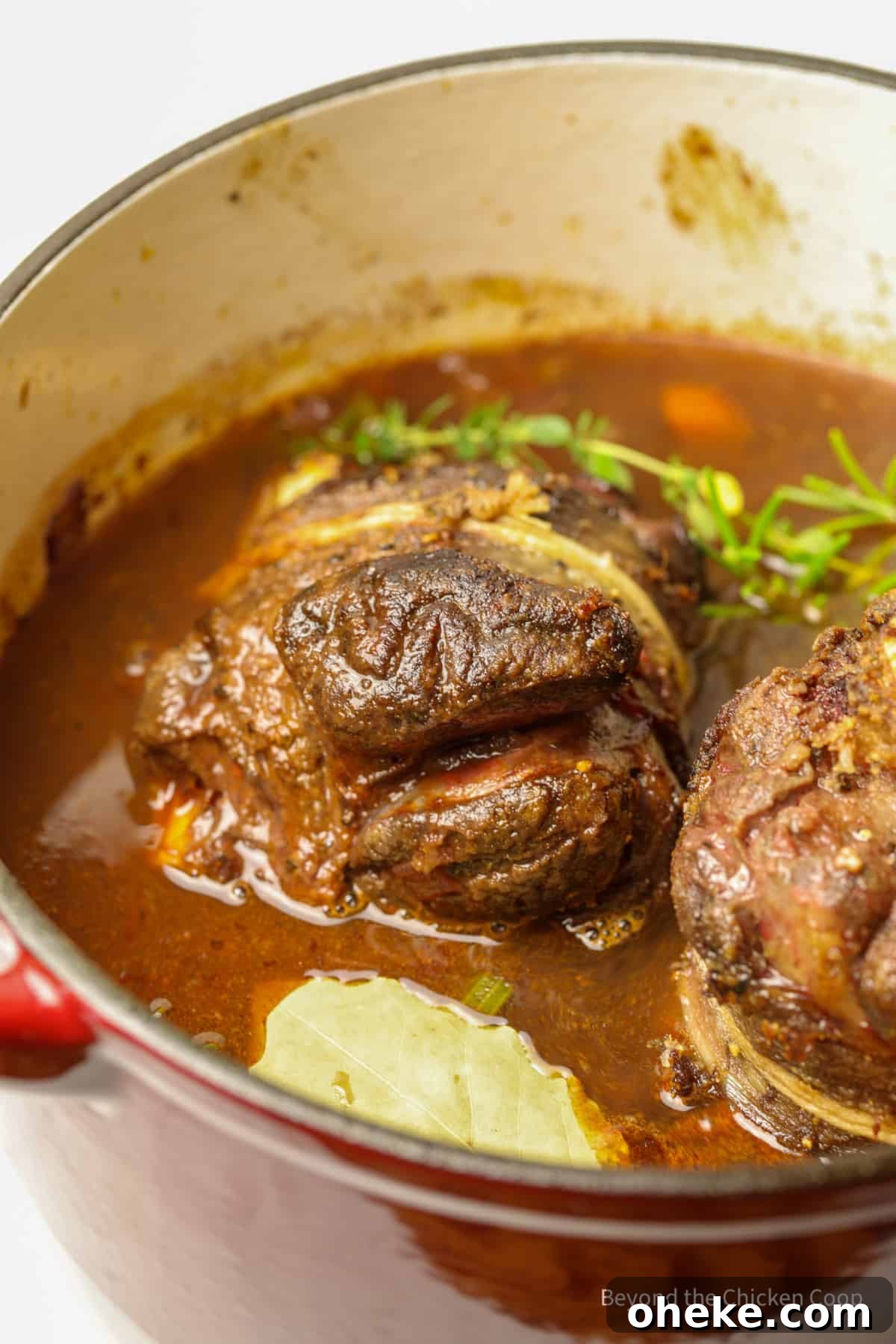
- Stir in stock, rosemary, thyme, and a bay leaf. Return the shanks to the pot so the liquid reaches roughly halfway to three-quarters up the shanks. Add more stock if needed.
- Cover and place in a preheated 315°F (about 157°C) oven for 3½–4½ hours, until the meat is fall-apart tender. Check once or twice to ensure there’s enough liquid; add stock if the level drops too low.
- When done, transfer shanks to a plate, remove twine, and tent with foil. Discard herb stems and bay leaf. Simmer the braising liquid on the stove with the lid off for a few minutes to reduce and concentrate if necessary, then stir in chopped fresh parsley.
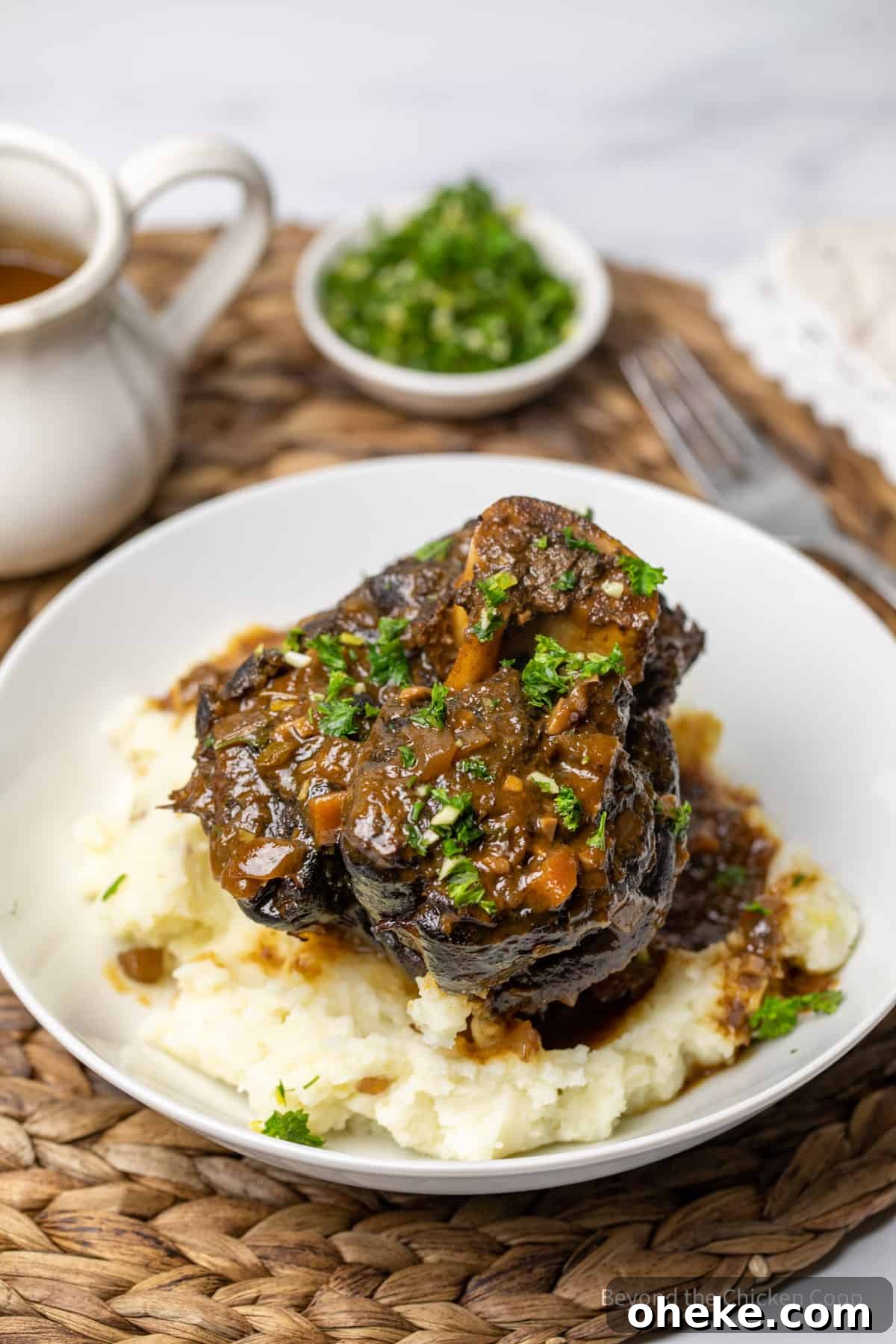
- Serve shanks over mashed potatoes, polenta, or egg noodles. Spoon sauce over the meat and finish with a sprinkle of gremolata or extra parsley for brightness.
Recipe tips
- Tying shanks is optional but helps keep a neat presentation.
- Do not overcrowd the pan when searing; brown in batches so each shank develops a good crust.
- Check liquid levels halfway through braising and top up with stock if necessary to prevent the pot from drying out.
- Taste and adjust seasoning before serving—wild game can sometimes benefit from a little extra salt to balance flavors.
- Cooking time depends on shank size; cook until the meat pulls away easily with a fork.
Variations
- Add chopped morel mushrooms—either frozen or rehydrated dried morels—to deepen the earthy, wild-game character.
- Stir in a can of chopped tomatoes with the stock for a brighter, slightly chunky sauce.
- Substitute beef or wild-game broth for chicken stock for a heartier sauce.
- Use a dry white wine instead of red for a lighter, fresher braise.
Serving suggestions
Serve elk osso buco over buttery mashed potatoes, creamy polenta, or wide egg noodles to soak up the sauce. Finish with a gremolata of lemon zest, parsley, and garlic for a fresh contrast. Complement the dish with roasted Brussels sprouts, sautéed green beans, or a simple winter salad.
If you make this recipe, I’d love to hear about it—leave a comment and share a photo. Tag the creator on social media if you use the original source.
Explore other slow-cooked, braised dishes if you enjoy this method: braised short ribs, venison stew, and braised chuck roast all develop similarly rich flavors and tender textures.