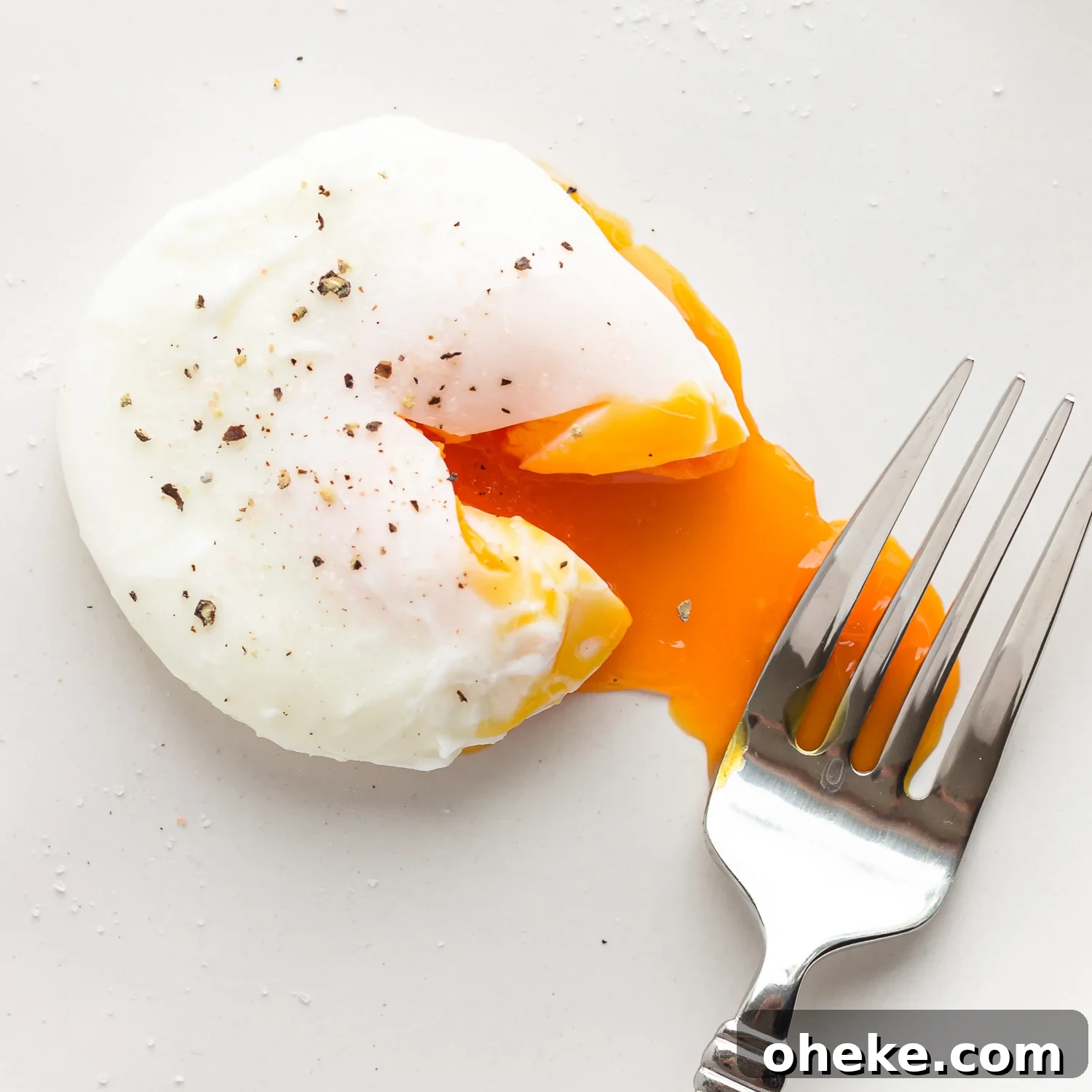
Learn how to make perfect poached eggs: tender, firm whites wrapped around a soft, runny yolk that releases a golden sauce when cut. Poaching can seem intimidating, but with a few simple techniques you’ll be making restaurant-quality poached eggs at home.
What Are Poached Eggs
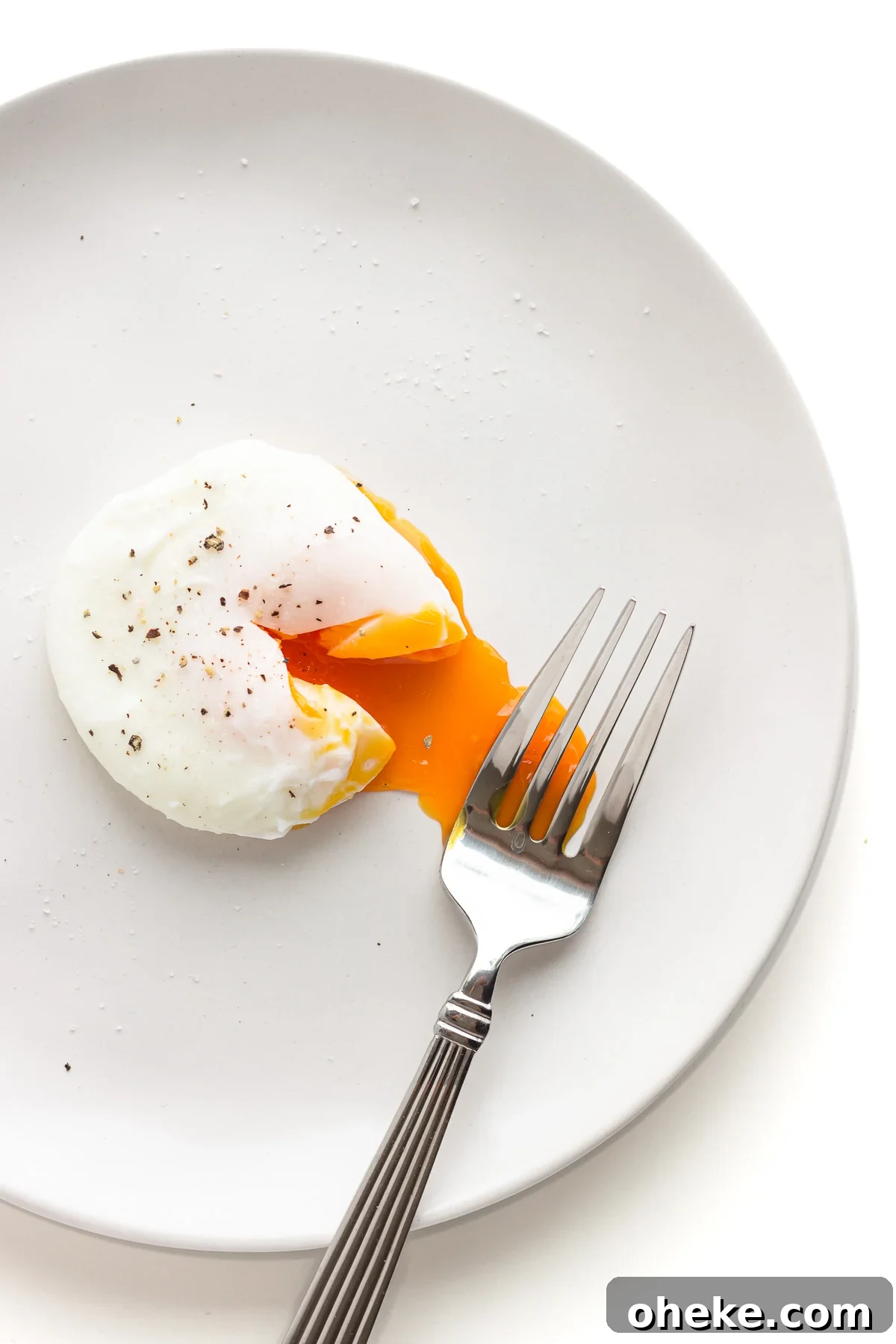
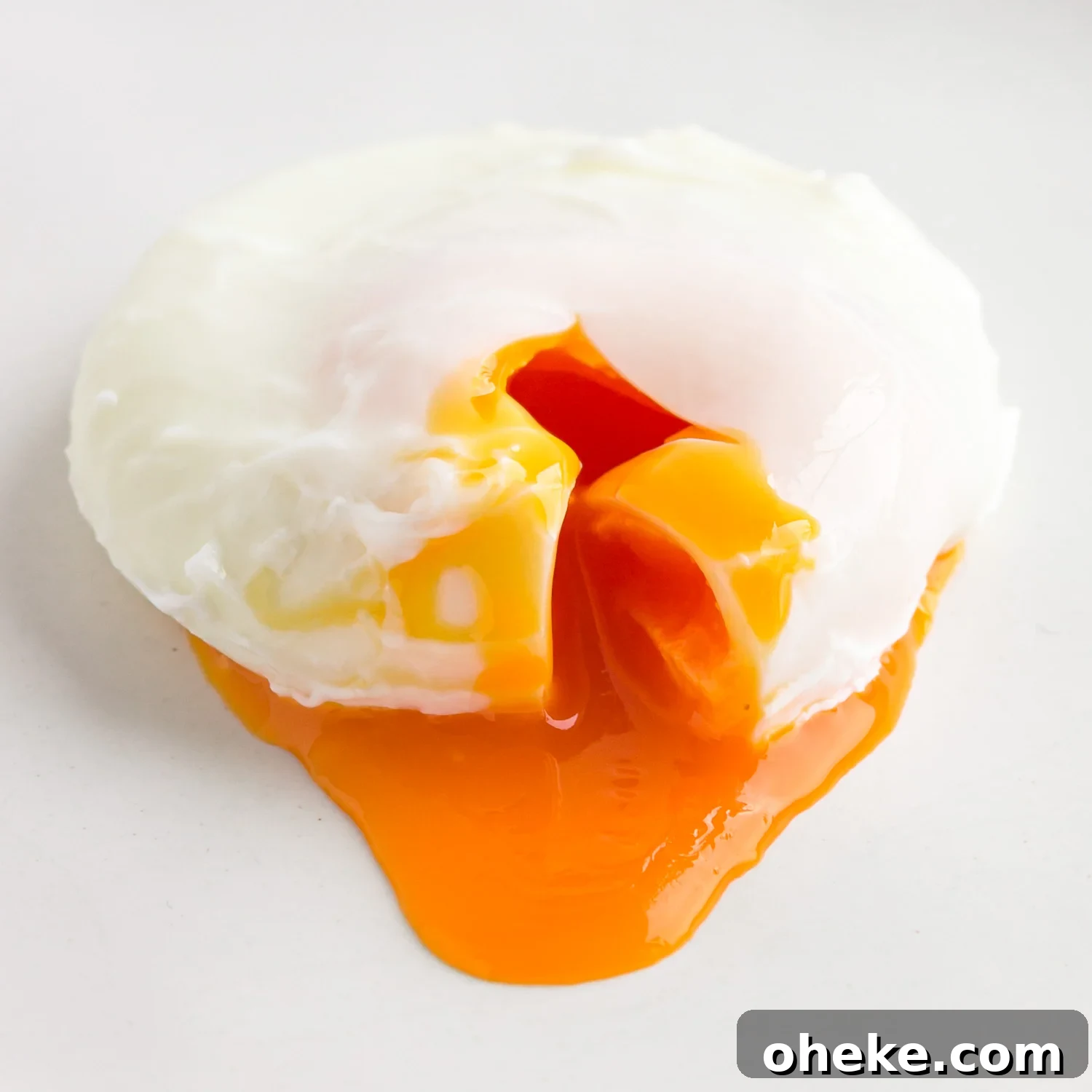
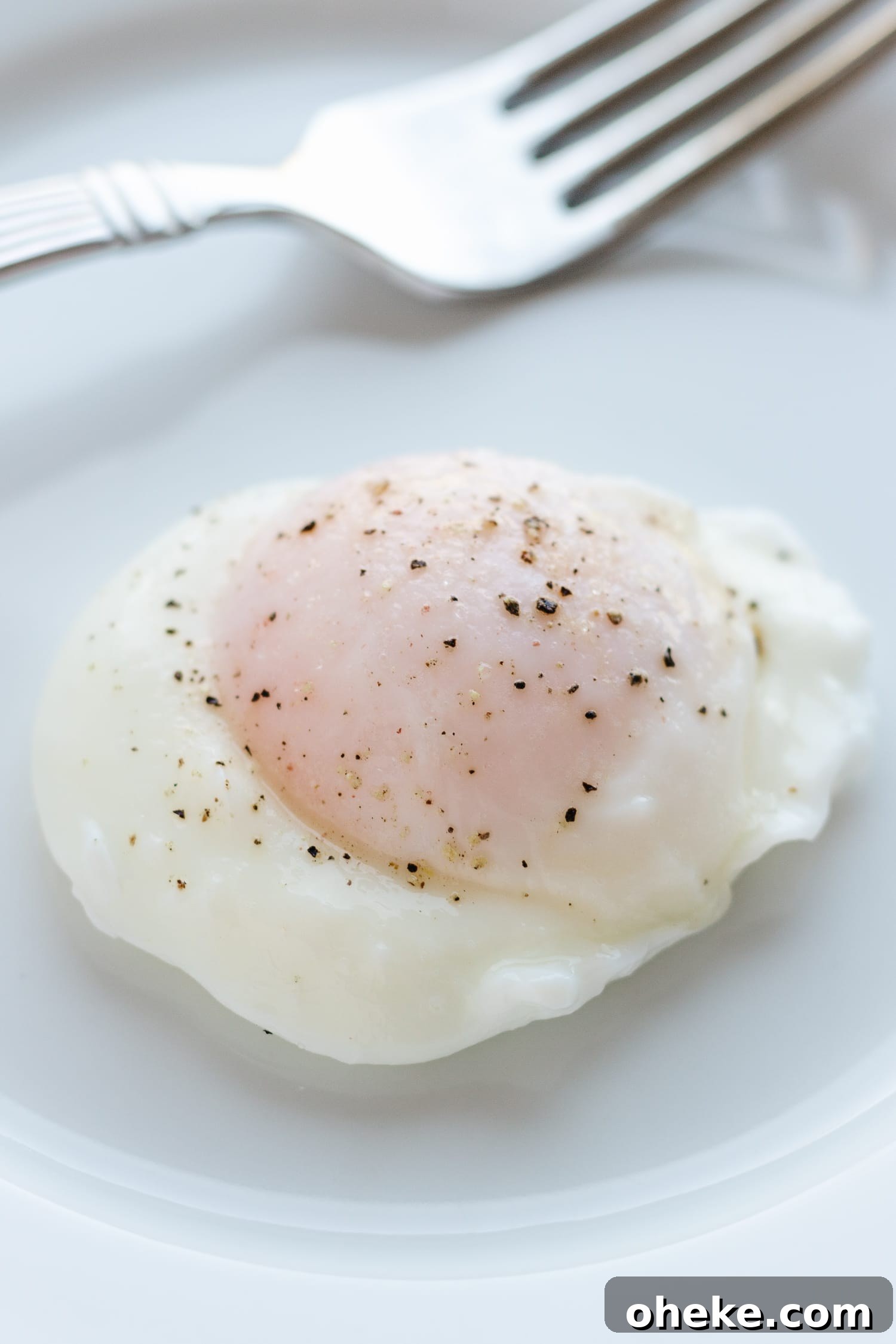
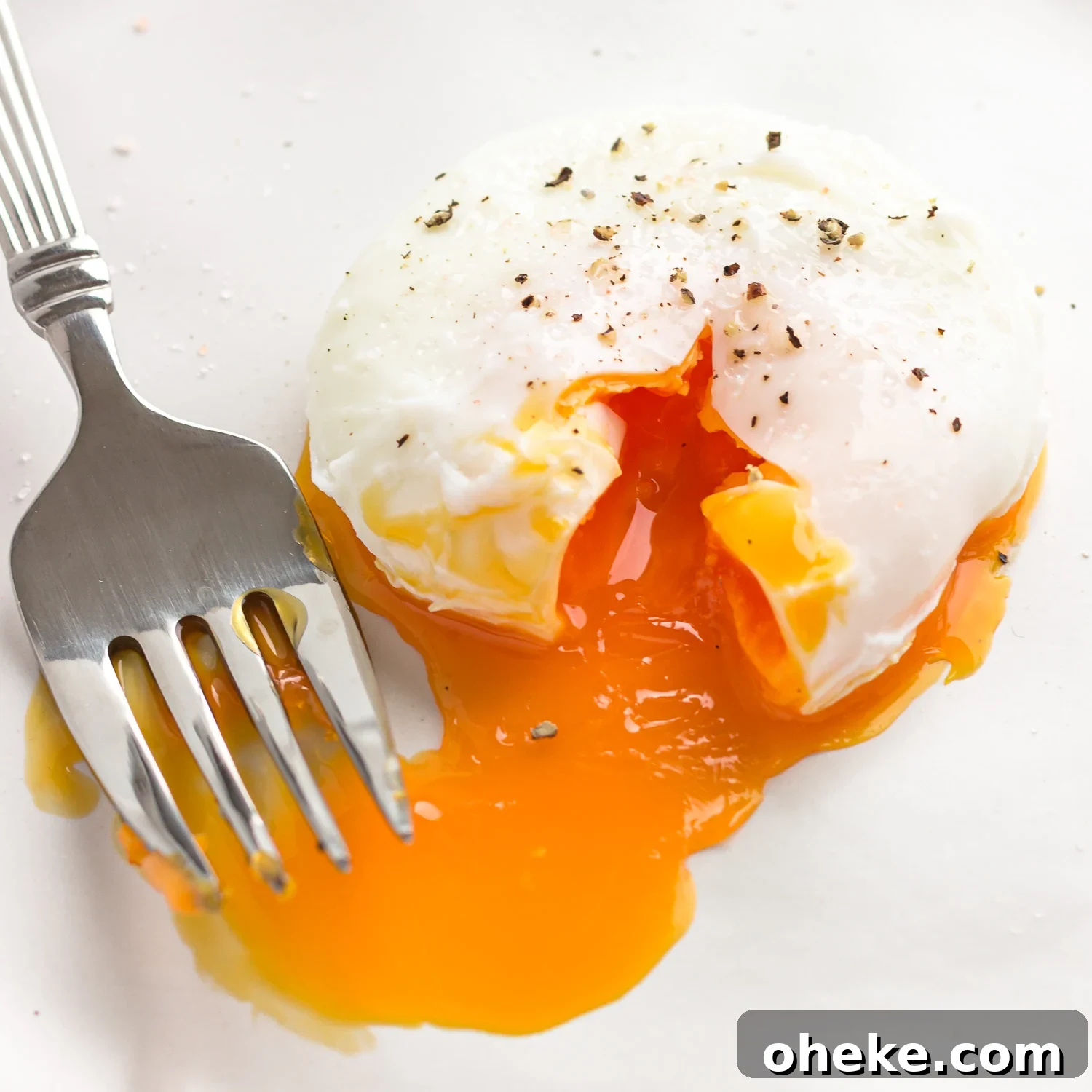
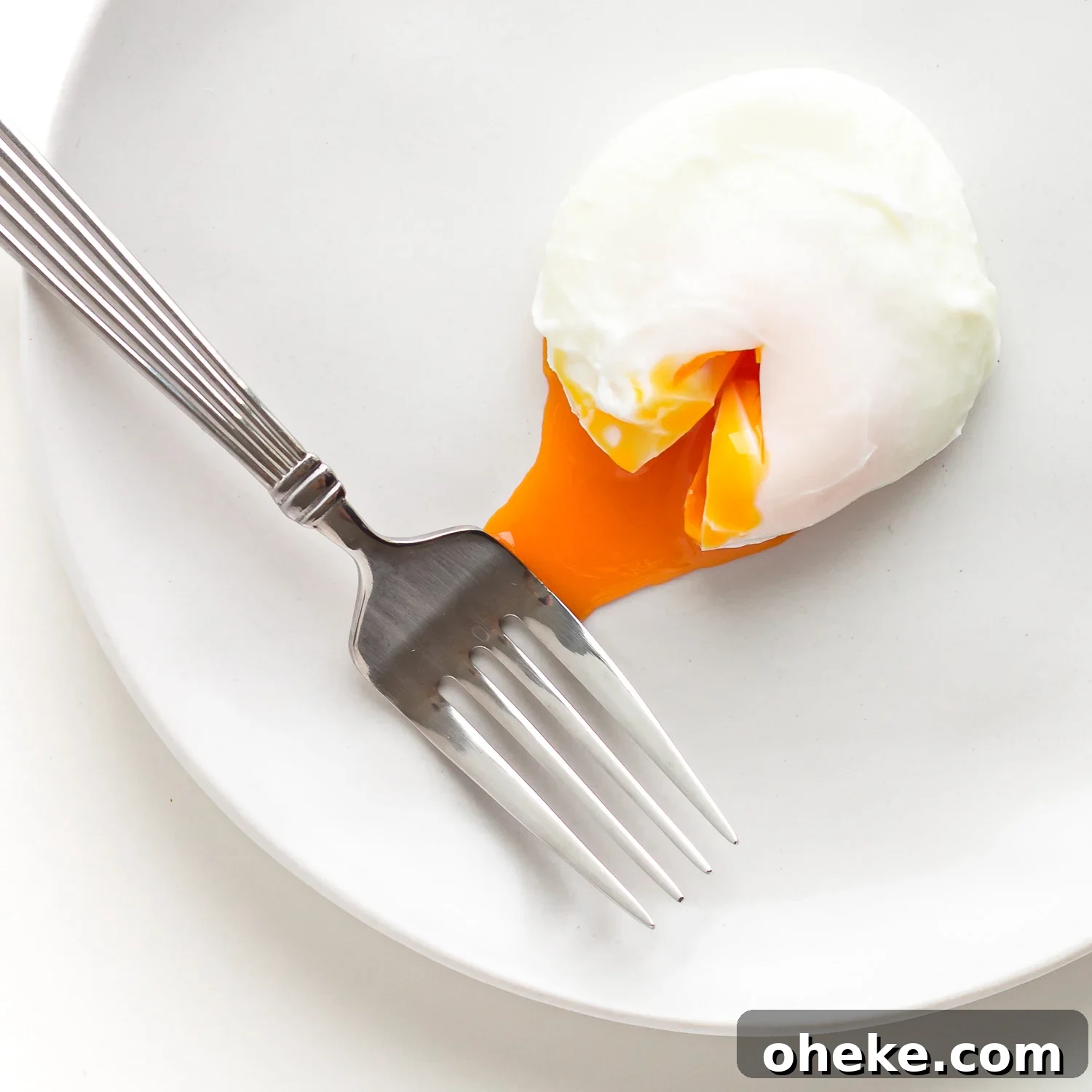
A poached egg is cooked outside its shell in barely simmering water. The result should be a firm white with a soft, runny yolk. When you cut into a well-poached egg, the yolk spills out and becomes an instant sauce for toast, salads, rice bowls and more.
Many home cooks shy away from poaching after a failed attempt, but the technique is straightforward once you know the key steps: the right water temperature, using a fine mesh to remove loose white, and gentle handling. No vinegar is required if you follow the method below.
How To Make Poached Eggs
All you need is a fresh egg and a few simple tools: a saucepan, a small fine-mesh strainer, ramekins and a slotted spoon. Follow these steps for consistent results.
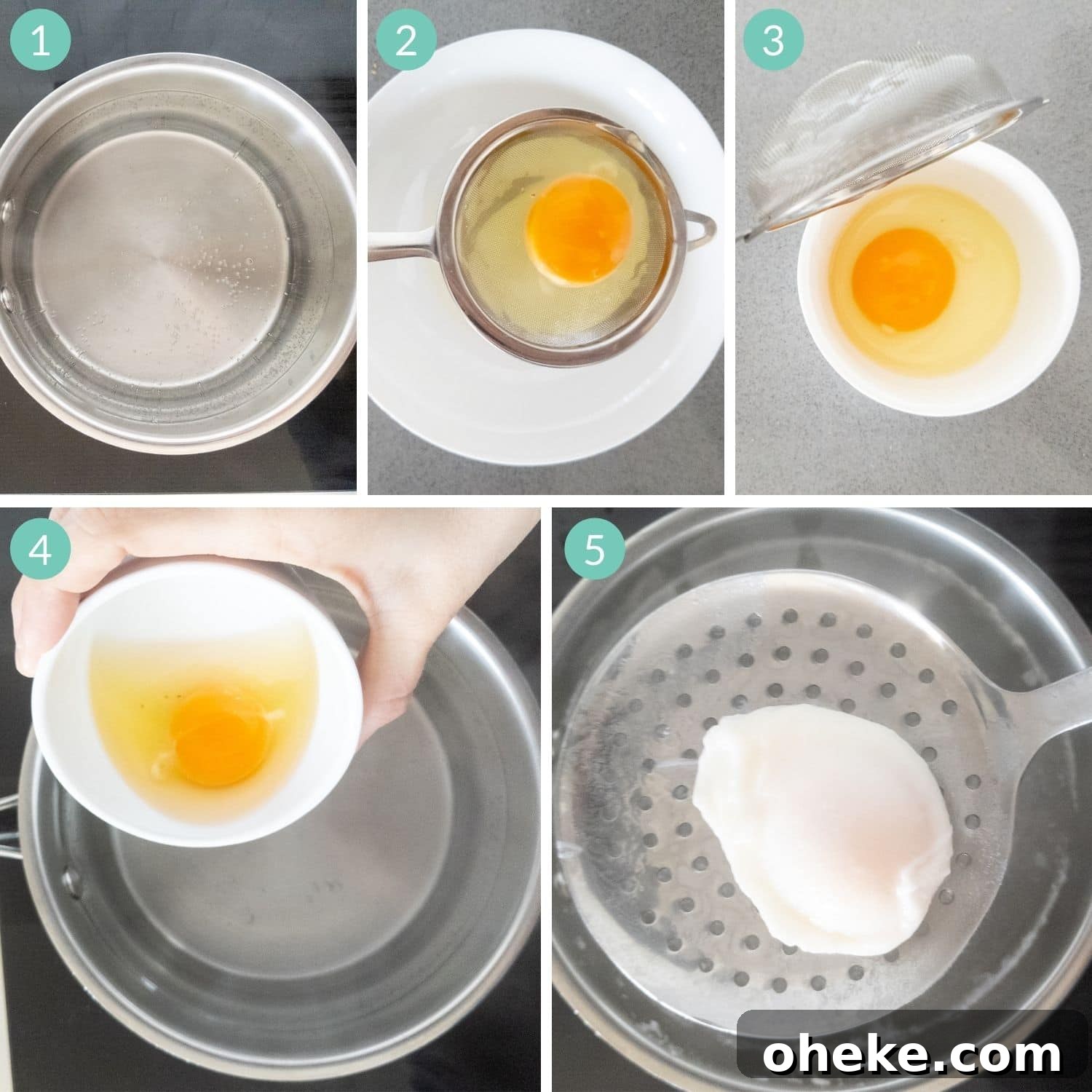
- Simmer the water: Fill a medium saucepan with about 3 inches (8 cm) of water. Bring to a boil, then lower the heat so the water is barely simmering — you should see small bubbles rising from the bottom but none breaking the surface. This temperature range (about 180–190°F or 82–88°C) sets the white gently without tearing it.
- Strain the egg: Crack the egg into a small fine-mesh sieve or strainer set over a bowl. Gently swirl the egg so the very loose, watery white drains away. Removing this excess liquid reduces wispy strands while poaching.
- Transfer to a ramekin: Move the strained egg into a small ramekin. If you’re poaching multiple eggs, use a separate ramekin for each to keep them ready to slip into the water.
- Poach the egg: Position the ramekin close to the water and gently slip the egg in. With a wooden spoon, slowly stir the water along the pot’s edge in a clockwise motion for about 10 seconds; this gentle motion helps the white wrap around the yolk as it begins to set. Cook for 3–4 minutes for firm whites and a runny yolk. You can test doneness by lifting the egg with a slotted spoon and pressing lightly on the yolk; return to the water if you want it firmer.
- Remove and drain: Use a slotted spoon to lift the egg from the water and set it on a paper towel-lined plate to drain excess water.
- Serve: Serve immediately while warm. Season simply with salt and freshly ground pepper and enjoy.
Helpful Tips For Success
These practical tips will increase your success rate when poaching eggs.
Barely Simmering Water
Keep the water at a gentle simmer. Rapid boiling breaks up the white and creates ragged edges. Bringing the pot to a boil first and then reducing the heat ensures the water is evenly hot without being turbulent.
Use a Fine Mesh Sieve
Straining removes the thin, watery part of the white that forms wisps during cooking. This yields a neater, more compact poached egg. Very fresh eggs naturally have less watery white, so they work best.
Use Cold, Fresh Eggs
Eggs taken straight from the refrigerator hold their shape better. Fresher eggs have stronger protein bonds, which helps the white stay together around the yolk.
Gently Stir the Water
A brief, gentle stir along the pot’s edge after adding the egg helps coax the white into a neat shape. Avoid creating a strong vortex, which can fragment the whites and is only practical for a single egg.
Trim if Desired
If you want picture-perfect eggs, trim any ragged bits of white with kitchen scissors before serving. This is optional and purely aesthetic.
Make Ahead + Reheating Tips
Poached eggs can be prepared ahead of time for meal prep or entertaining.
- To stop cooking: Transfer cooked eggs immediately to an ice water bath to halt residual cooking. Undercook slightly if you plan to reheat so the yolks stay runny.
- To store: Place cooled poached eggs in a container filled with cold water and refrigerate for up to 2–3 days.
- To reheat: For one egg, pour boiling water into a small bowl and submerge the egg for about 30 seconds until warmed. For several eggs, bring a pot to a bare simmer, lower eggs in, turn off the heat and leave them 30–60 seconds until warmed through. Drain and pat dry before serving.
A Few Questions Answered
How long to poach an egg? Poach for 3–4 minutes for firm whites and a runny yolk. Lift the egg with a slotted spoon and press gently on the yolk to check doneness; return to the water for more time if needed.
Do I need vinegar? No. Vinegar helps coagulate the white faster, but it can change the texture. By using the techniques above — proper temperature, straining, and gentle motion — vinegar is unnecessary.
How deep should the water be? About 3 inches (8 cm) of water gives the egg enough depth to form a nice shape. Too shallow and the egg will be flatter.
Should I swirl the water? A brief, gentle stir along the pot edge for about 10 seconds helps shape the egg. A strong vortex is not recommended because it can create ragged edges and only works for a single egg.
Are poached eggs healthy? Yes. Poaching uses low heat and short cooking time, which helps preserve nutrients. Eggs deliver a range of vitamins and minerals and are a nutritious, versatile food.
Ways To Serve Poached Eggs
- With toast: Classic and simple. Try poached eggs on avocado toast for extra flavor.
- Eggs Benedict: Top English muffins and Canadian bacon with poached eggs and hollandaise for this classic dish.
- On salads: A poached egg is lovely atop hearty salads like asparagus and parmesan.
- Breakfast sandwiches or hash: Add a poached egg for richness and a silky yolk.
- Rice bowls: The yolk makes an instant sauce for grain bowls and stir-fries.
More Egg Tutorials
If you enjoyed learning to poach eggs, consider practicing other basic egg techniques such as soft-boiled eggs, hard-boiled eggs, omelets, and different frying methods. Mastering these will expand your breakfast and brunch repertoire.
Try this method and leave a note if you give it a go — happy poaching!