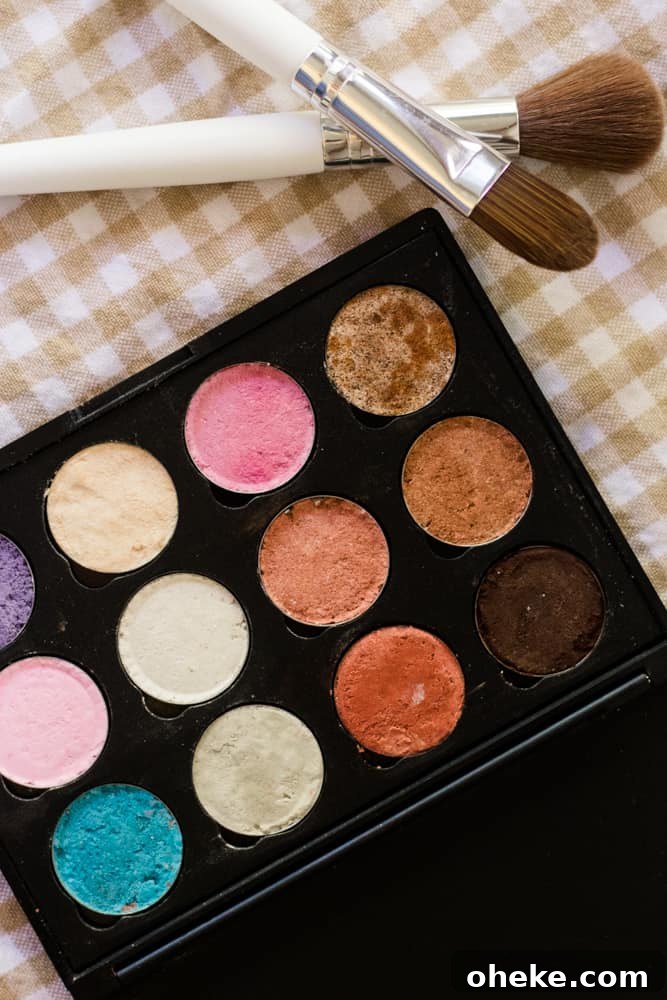
Make your own homemade eyeshadow that is safe, natural, and long-lasting with an easy recipe. Using a handful of simple ingredients you can create a toxin-free eyeshadow that performs well and is gentle on the skin.
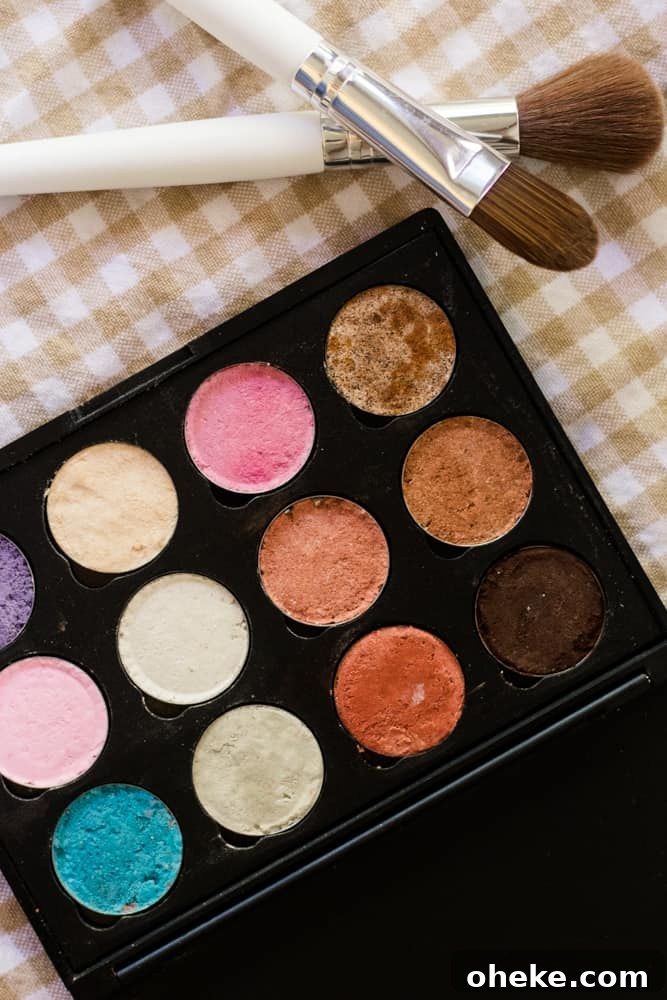
I enjoy making my own makeup because it lets me control the ingredients and avoid questionable additives. Homemade cosmetics are often gentler on the skin, more economical, and fun to customize.
Over time I’ve refined recipes for foundation, eyebrow gel, facial toner, eyeliner, and mascara. After several experiments I landed on a reliable eyeshadow method I’m happy to share.
How Eyeshadow Is Made
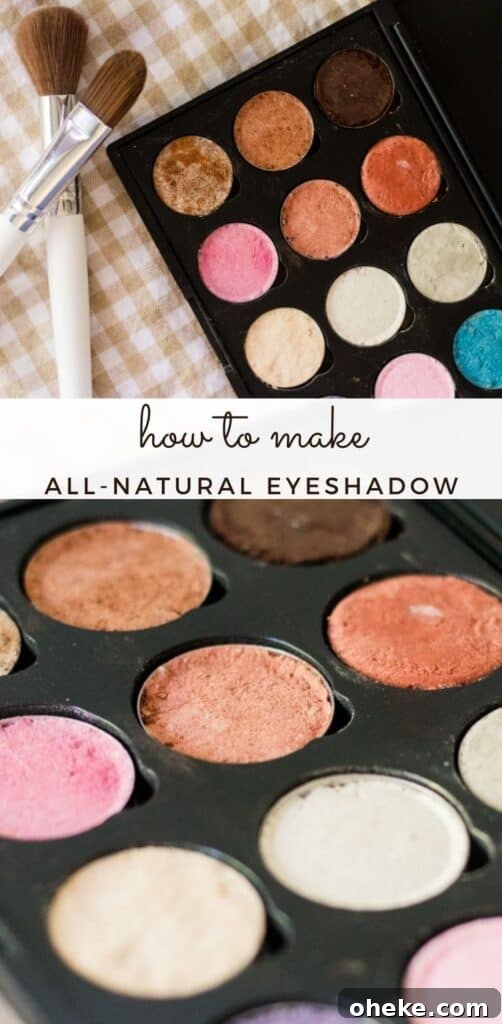
Eyeshadow is available as a loose powder or as pressed pans. Pressed eyeshadow is the most common format and requires a powder base mixed with a small amount of binder, then compacted into a pan. Color comes from pigments such as mica powders or natural clays. These options let you achieve matte or shimmering finishes depending on the pigments you choose.
Eyeshadow Ingredients
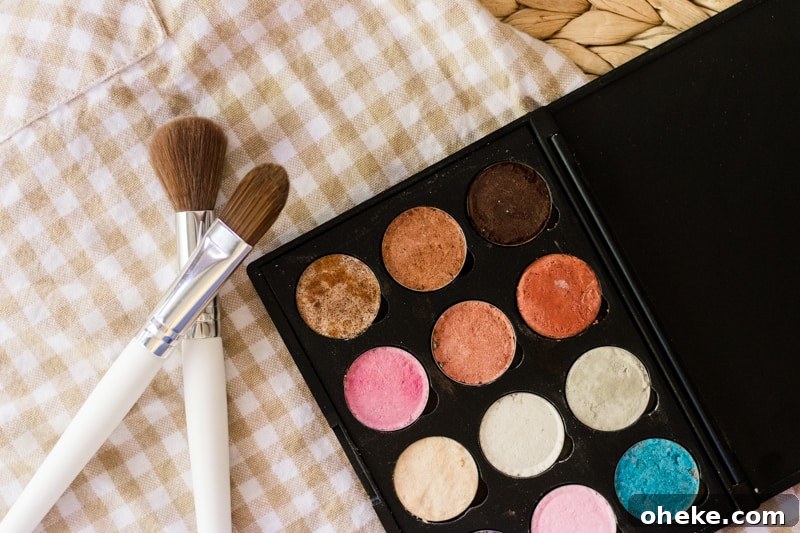
Basic components:
- Powder base
- Binding agent (only for pressed eyeshadow)
- Color pigment
If you prefer loose powder, skip the binder. For pressed pans you’ll add a small binding agent so the powder compresses and holds its shape.
Powder Base
Common powder bases include arrowroot powder and various clays. I use a blend of arrowroot and clay—bentonite, Brazilian clay, or rose clay all work well and impart different textures and tones.
Binding Agent
For pressed eyeshadow, a tiny amount of carrier oil plus alcohol helps the powder bind. Sweet almond oil works nicely, but fractionated coconut oil, jojoba, rosehip, or apricot seed oil are good alternatives. Use only a few drops so the finished product stays powdery rather than greasy.
Color Pigment
Color can come from mica powders for shimmering shades or from natural ingredients like cocoa powder, cinnamon, or colored clays for earthier tones. Mica offers a wide range of vivid or metallic colors and is easy to blend with the base. Natural powders and clays give muted, natural hues if you prefer a more understated look.
How to Make Eyeshadow at Home
Gather small airtight containers or an empty eyeshadow palette if you plan to press pans. Pressing tools can be simple—a coin or the back of a spoon works well to compact the pigment into a pan.
Homemade Eyeshadow Recipe
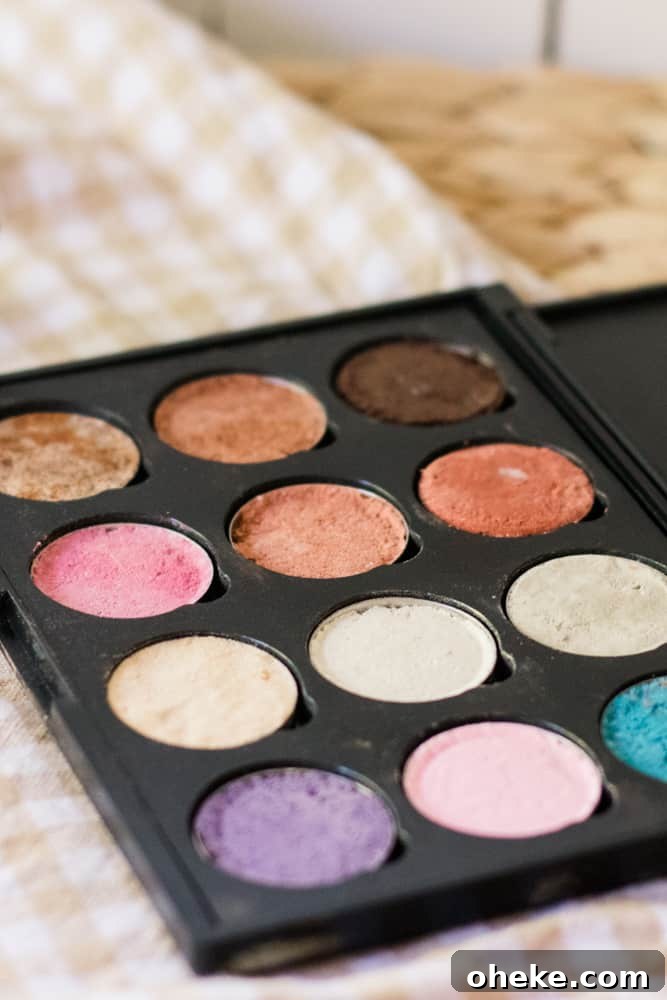
This easy recipe makes small individual pans or containers of eyeshadow. Adjust pigment amounts to achieve the shade and intensity you like.
Ingredients
- Arrowroot powder
- Bentonite clay (or another clay of your choice)
- Mica powder and/or cocoa powder (choose depending on the color)
- Sweet almond oil (or another light carrier oil)
- Alcohol (small amount, optional—used with oil for pressing)
Supplies
- Empty eyeshadow palette or small airtight containers
- 1/4 teaspoon measuring spoon
- 1/16 teaspoon measuring spoon (or use a dropper for precision)
- Dropper or pipette
- Toothpick for mixing
Instructions
- Set out one small mixing bowl per color you want to make.
- Add 1/4 teaspoon arrowroot powder and 1/4 teaspoon bentonite clay to each bowl.
- Mix in 1/8 teaspoon of your chosen pigment (mica, cocoa, cinnamon, or colored clay) and blend with a toothpick. Increase or decrease pigment until you reach your desired shade.
- For loose powder: transfer the mixture to a small airtight container.
- For pressed eyeshadow: add 3 drops of sweet almond oil and 1/16 teaspoon alcohol to each bowl, then stir until evenly combined.
- Pack the pressed mixture into an empty eyeshadow pan or tray and press firmly using a coin or the back of a spoon.
- Allow pressed pans to dry overnight before using.
Recipe Notes
Adjust pigment to darken or lighten a shade—add more mica or cocoa for deeper color, or add more arrowroot to soften an overly intense pigment. Mica sets are convenient because they offer many color choices in one purchase.
Finding the Right Color
Customizing your hues is the most rewarding part. Take your time mixing small test batches until you find the tones that flatter your complexion.
Color Tips
For neutral browns and tans, use bentonite clay as the base and add cocoa powder or cinnamon to create warm, natural shades.
Simple color ideas:
- Brown: 1/8 teaspoon cocoa powder
- Golden brown: 1/16 teaspoon cocoa + 1/16 teaspoon cinnamon
- Pale pink: 1/8 teaspoon rose clay
- Mustard yellow: 1/16 teaspoon yellow clay + a pinch of red mica
- Bright shades: Start with arrowroot and add 1/16–1/8 teaspoon mica until you reach the desired intensity
How to Apply Eyeshadow
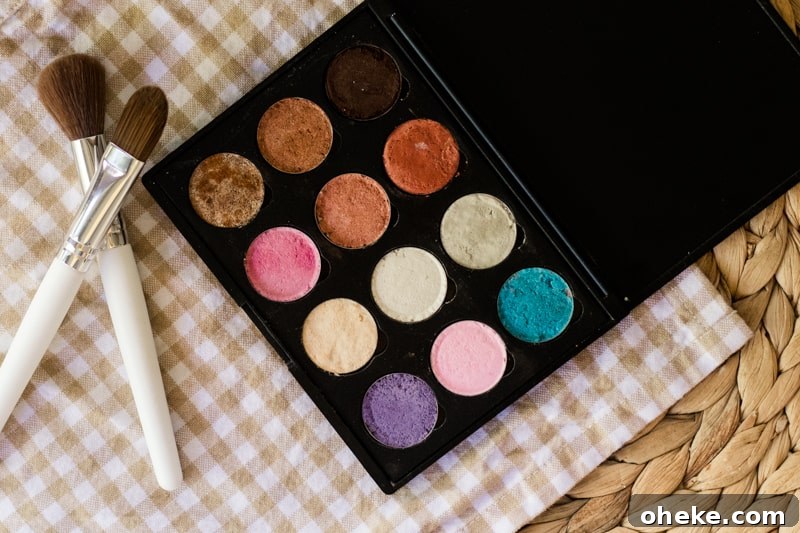
Use an eyeshadow brush or applicator for best results; fingers can work for single-color application but are less precise for blending multiple shades. Apply a base color across the lid, place darker shades near the crease, and blend toward lighter tones. For definition, add a darker shade along the lash line or use eyeliner. Finish with a setting spray or a light dusting of setting powder to extend wear.
How to Store Homemade Eyeshadow
Store eyeshadow in a cool, dry place away from direct sunlight. Keep pressed palettes closed when not in use to prevent dust and contamination. Using clean brushes and applicators each time will help maintain the product’s shelf life and hygiene.
I hope you enjoy making your own eyeshadows. If you like DIY cosmetics, consider trying homemade concealer or a natural primer next.
Homemade Eyeshadow
Equipment
- Empty eyeshadow palette or small containers with lids
- 1/4 teaspoon measuring spoon
- 1/16 teaspoon measuring spoon or small dropper
- Toothpick
Ingredients
- 1/4 teaspoon Arrowroot powder
- 1/4 teaspoon Bentonite clay (or preferred clay)
- 1/8 teaspoon Mica powder or other pigment
- 3 drops Sweet almond oil (optional for pressed eyeshadow)
- 1/16 teaspoon Alcohol (optional for pressed eyeshadow)
Instructions
- Set out one small mixing bowl per color.
- Add 1/4 teaspoon arrowroot and 1/4 teaspoon bentonite clay to each bowl.
- Stir in 1/8 teaspoon pigment and mix thoroughly.
- For loose powder, transfer to an airtight container.
- For pressed pans, add 3 drops of oil and 1/16 teaspoon alcohol, mix, then press into your pan.
- Allow pressed pans to dry overnight before use.
This recipe is provided for informational use; perform your own testing and research before using any homemade cosmetic on your skin.