Growing ghost peppers in your garden sounds like a great idea—until you harvest more than a hundred of some of the hottest peppers on the planet. The good news: there are plenty of ways to use them. Here are five bold ghost pepper recipes to try if you love heat.
Bhut jolokia, commonly called the ghost pepper, ranks among the world’s hottest chiles, with only a few varieties measuring hotter. Its intense heat and vivid colors make it a favorite for gardeners and spicy-food enthusiasts.
If you grew a ghost pepper plant this season, you might find yourself wondering what to do with the bounty at harvest time. For many cooks, the solution is simple: take your favorite recipes made with milder chiles—jalapeños, serranos, or habaneros—and turn up the intensity with ghost peppers. There are a few safety and flavor tips to keep in mind so you get bold flavor without painful mistakes.
Read on to learn about what ghost peppers are, how to handle them safely in the kitchen, and five recipe ideas that put their heat to good use. Add them to your garden plan next season if you enjoy fiery flavors.
What Are Ghost Peppers
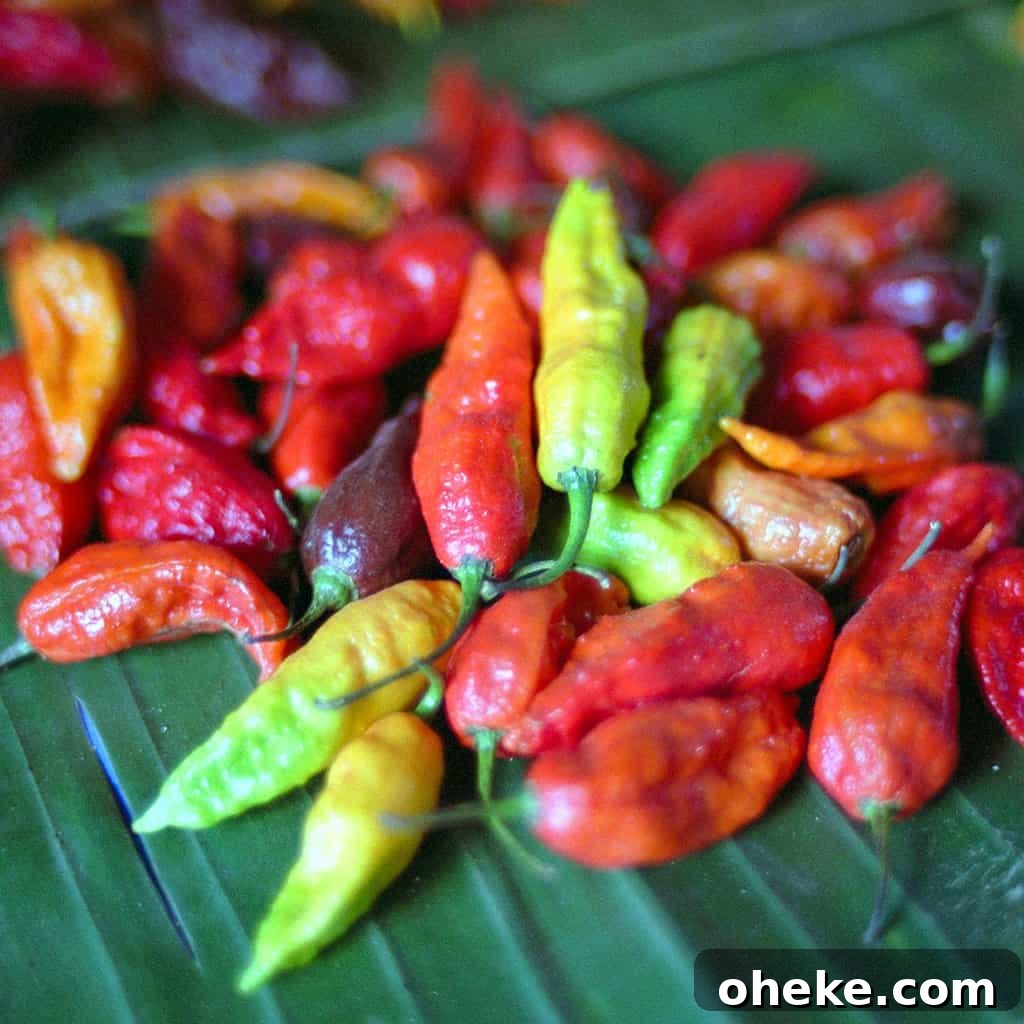
Ghost peppers are dramatically hotter than common chiles: roughly 200 times hotter than a jalapeño and several times hotter than a habanero. Their extreme heat comes from capsaicin concentrated in the fruit’s flesh rather than being confined only to seeds and ribs. That distribution of capsaicin makes ghost peppers especially fiery in sauces and salsas.
Native to India, the bhut jolokia belongs to the Capsicum chinense family, the same group that includes other superhot varieties. Ghost peppers ripen to vivid shades of red, orange, yellow, and occasionally pale colors when grown in strong sun, making them as decorative as they are spicy.
How To Cook With Ghost Peppers
Cooking with ghost peppers is thrilling, but it requires caution. Even experienced cooks should follow basic safety steps to avoid prolonged burning sensations or accidental irritation.
- Wear gloves. Treat ghost peppers differently from milder chiles. Disposable or rubber gloves—sometimes two layers—protect your hands from oils that can linger and burn for hours.
- Ventilate your kitchen. Blending, processing, or cooking ghost peppers can release airborne capsaicin that irritates eyes and lungs. Open windows, run the kitchen fan or hood, and avoid leaning directly over blenders or processors while they run.
5 Ghost Pepper Recipes To Try
Use ghost peppers to enhance dishes you already love, but reduce quantities dramatically. Start with smaller amounts and add more if needed—you can always increase heat, but you can’t remove it. Below are five recipe ideas and swap suggestions so you can confidently replace milder chiles with ghost peppers.
1. Instant Pot Beef Chili
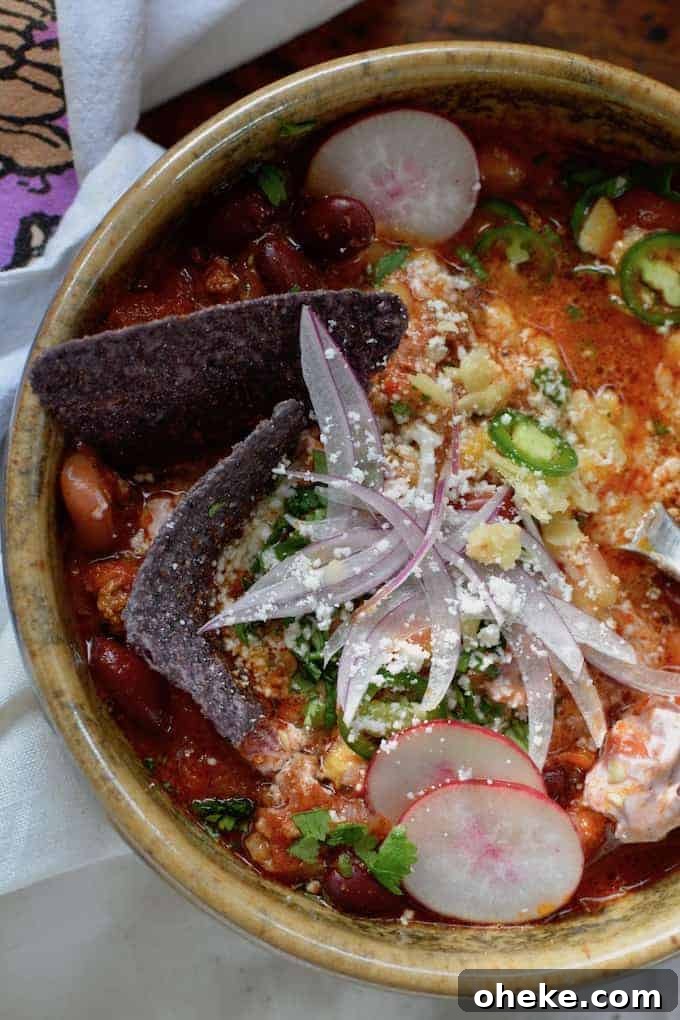
A hearty beef-and-bean chili adapts well to ghost peppers. If a recipe calls for chipotles in adobo or a couple of milder chiles, use just 1/4 of a ghost pepper to start, depending on your heat tolerance. Pressure cooking melds the flavors, so a small amount goes a long way. The Instant Pot version is quick and perfect for scaling heat to taste.
2. Apple Hot Pepper Jelly
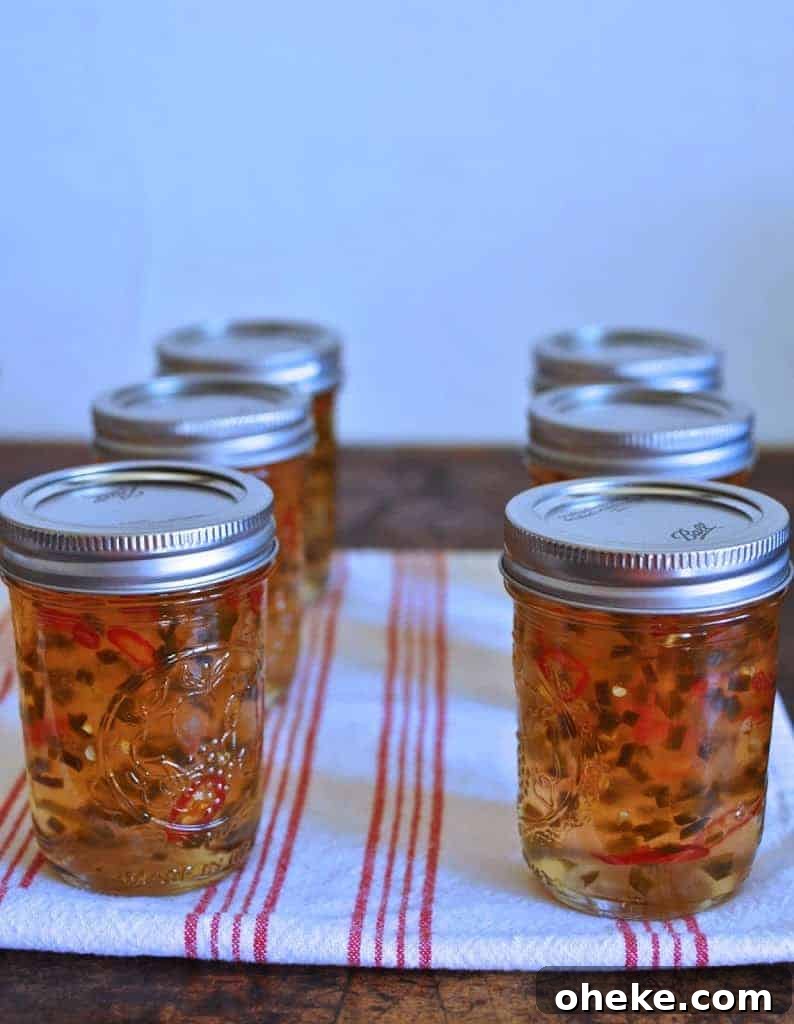
Sweet jellies are a great way to balance ghost-pepper heat. In an apple hot pepper jelly, the sugar and fruit mellow the capsaicin while preserving bright chili flavor. Replace the jalapeños in a standard recipe with a small number of ghost peppers—about five for a larger batch—or reduce further to suit your guests. Jarred jelly also makes memorable homemade gifts.
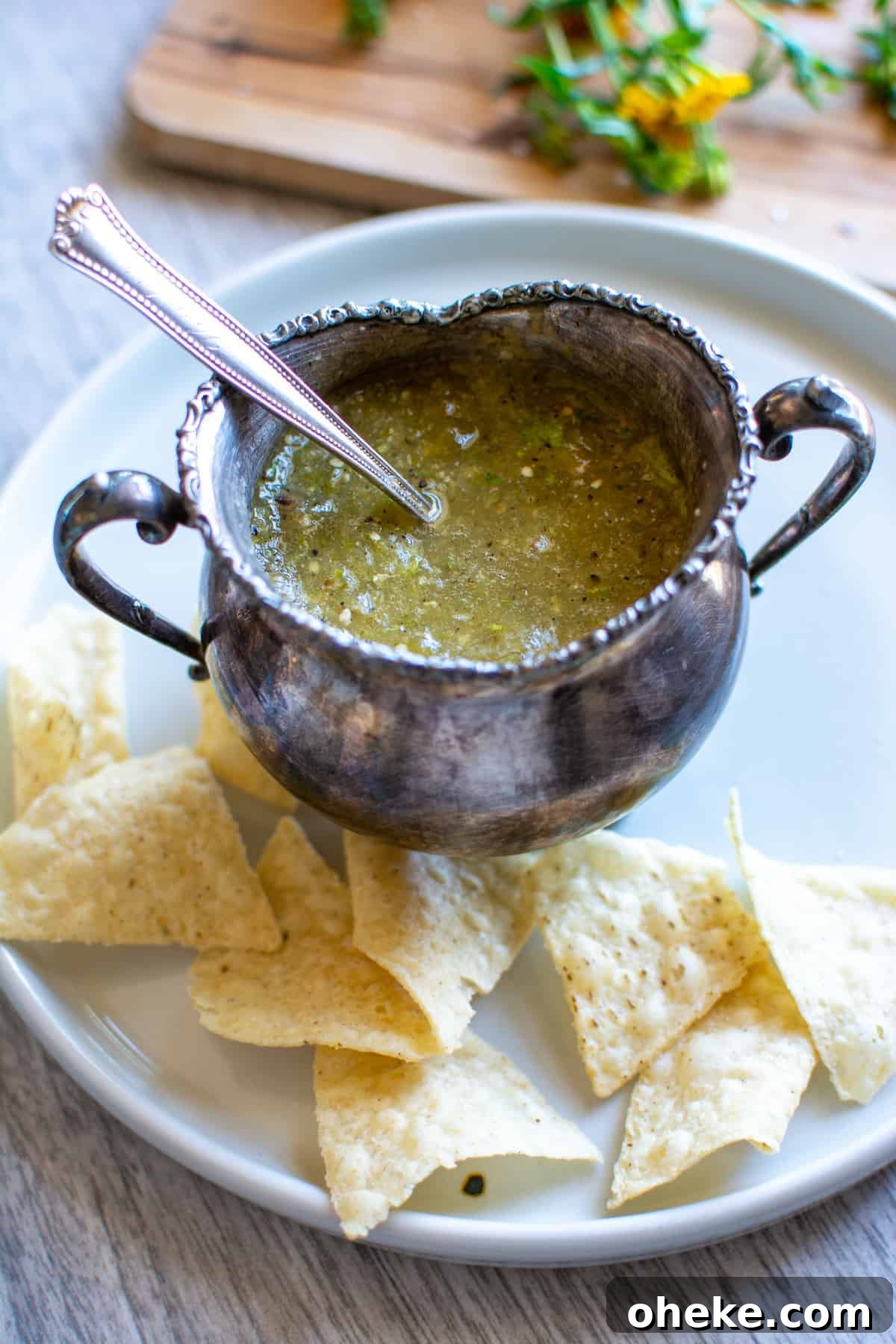
3. Ghost Pepper Tomatillo Salsa
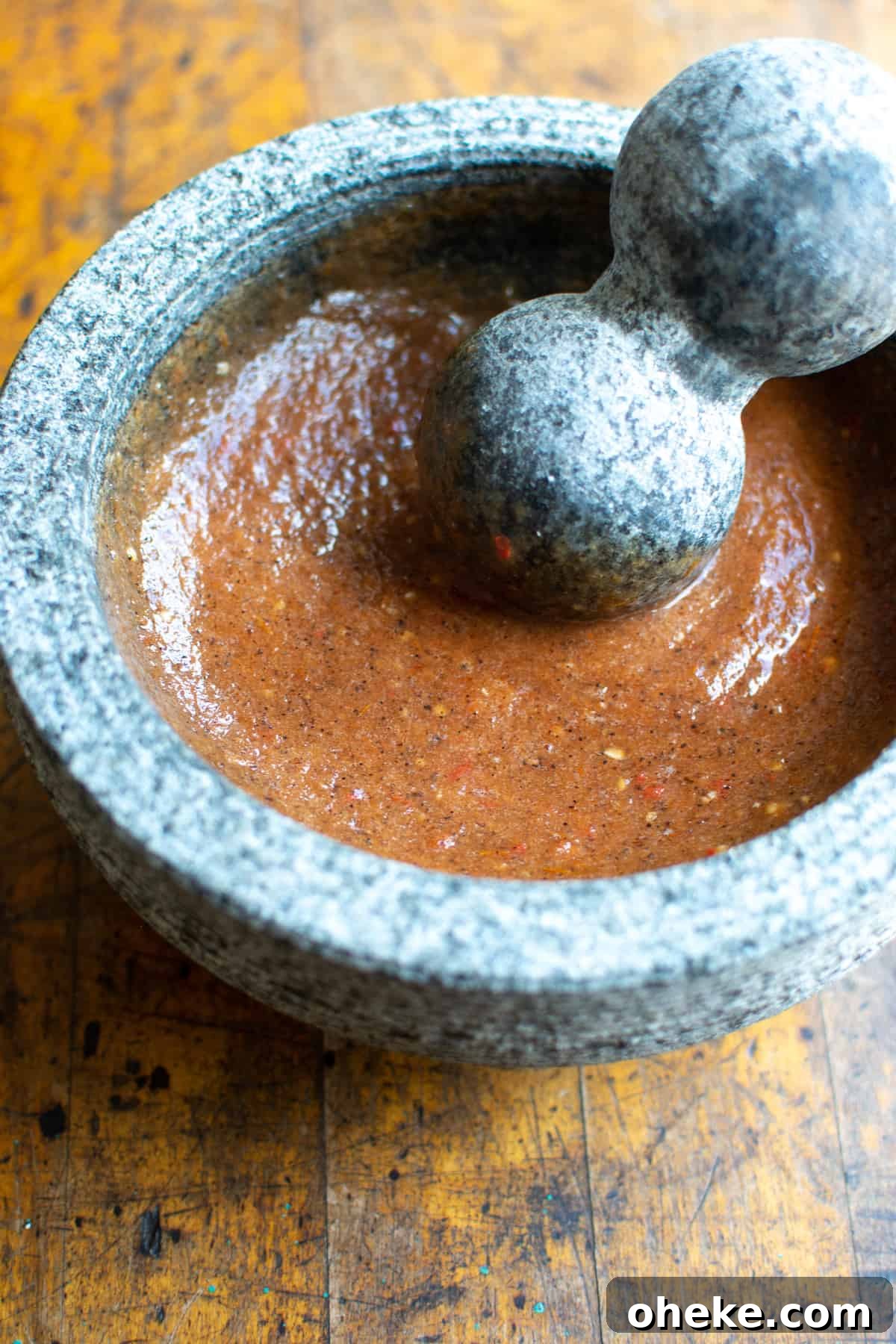
Tomatillo salsas are bright and acidic, which complements intense chile heat. Swap charred habaneros or other hot chiles for an equal number of ghost peppers if you want maximum intensity, or use fewer to control the burn. Roasting or charring the tomatillos and chiles adds smoky depth and helps distribute heat evenly.
4. Spicy Raspberry Margarita
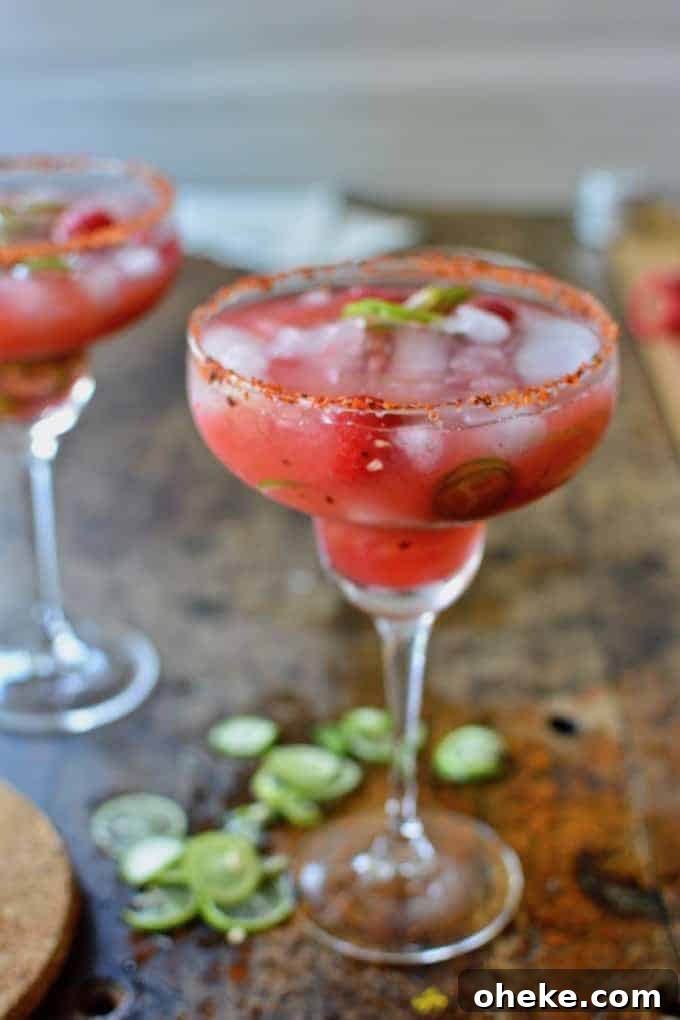
For a cocktail twist, infuse tequila with chile heat. Replace a jalapeño infusion with a fraction of a ghost pepper to create a spicy raspberry margarita with floral, fruity notes balanced by capsaicin. Start with an equal swap but be cautious—spirit infusions concentrate heat quickly, so taste frequently and strain when it reaches the level you like.
5. Spicy Honey Goat Cheese Toasts
A little ghost pepper goes a long way on a savory-sweet appetizer. Warm honey with a minced pinch of ghost pepper—start with half of a pepper for a small batch—then drizzle over goat cheese toasts with pear slices and toasted almonds. The heat brightens the cheese and fruit without overwhelming the bite when used sparingly.

More Spicy Food Recipes To Try
- Spicy Salsa Macha Recipe
- Pickled Jalapeños Stuffed with Goat Cheese
- Spicy Pickled Jalapeño Michelada
- Spicy Marinated Olives with Roasted Garlic and Herbs
- Shrimp Aguachile Verde
- Candied Cayenne Pecans
- Pork Albóndigas with Árbol Chile Sauce
Ghost Peppers Are More Than Smoke Bombs
Ghost peppers are powerful flavor agents when used thoughtfully. They can transform sauces, jellies, cocktails, and simple toasts into memorable experiences. Start small, respect the pepper, and savor the interplay of heat, acidity, and sweetness. If you try any of these ideas, take care when handling and share your creations with fellow spice lovers.
Resources
Further reading and background research included articles from Serious Eats, Food & Wine, and The Atlantic on ghost peppers and capsaicin. Consult reputable food science and culinary sources for detailed safety and cooking techniques.