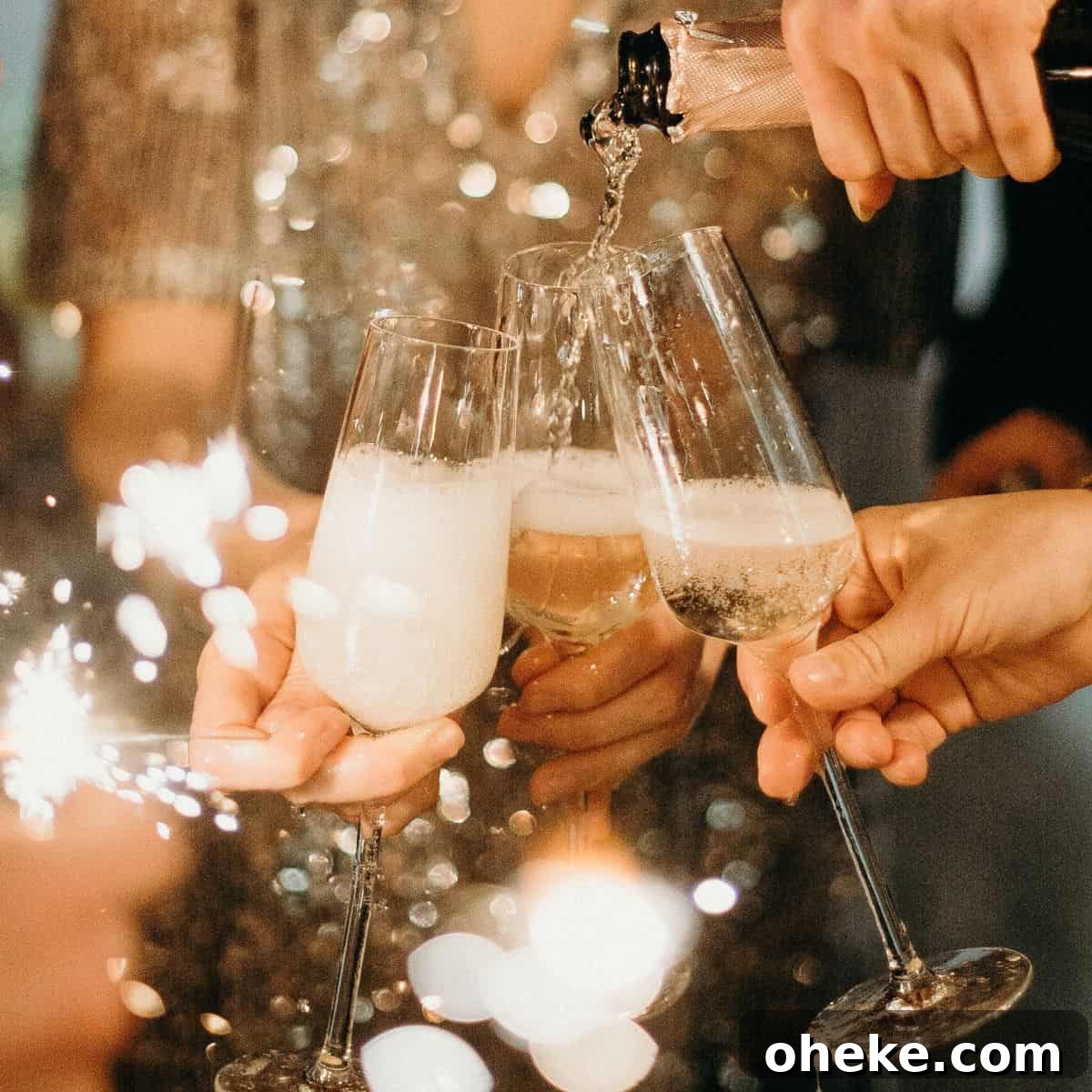
Non alcoholic champagne brings the elegance of sparkling wine without the alcohol or the next-day hangover. As a food and beverage enthusiast, I’ve explored the world of bubbly, alcohol-free options and developed creative ways to enjoy them—whether sipped on their own or mixed into refreshing mocktails.
In this article we unpack what non-alcoholic champagne is, how it differs from true Champagne, top brands to consider, and practical uses from cocktails to cooking. Celebrate any occasion with the same effervescent charm—and pair it with desserts like a light champagne cake for an extra-special touch.
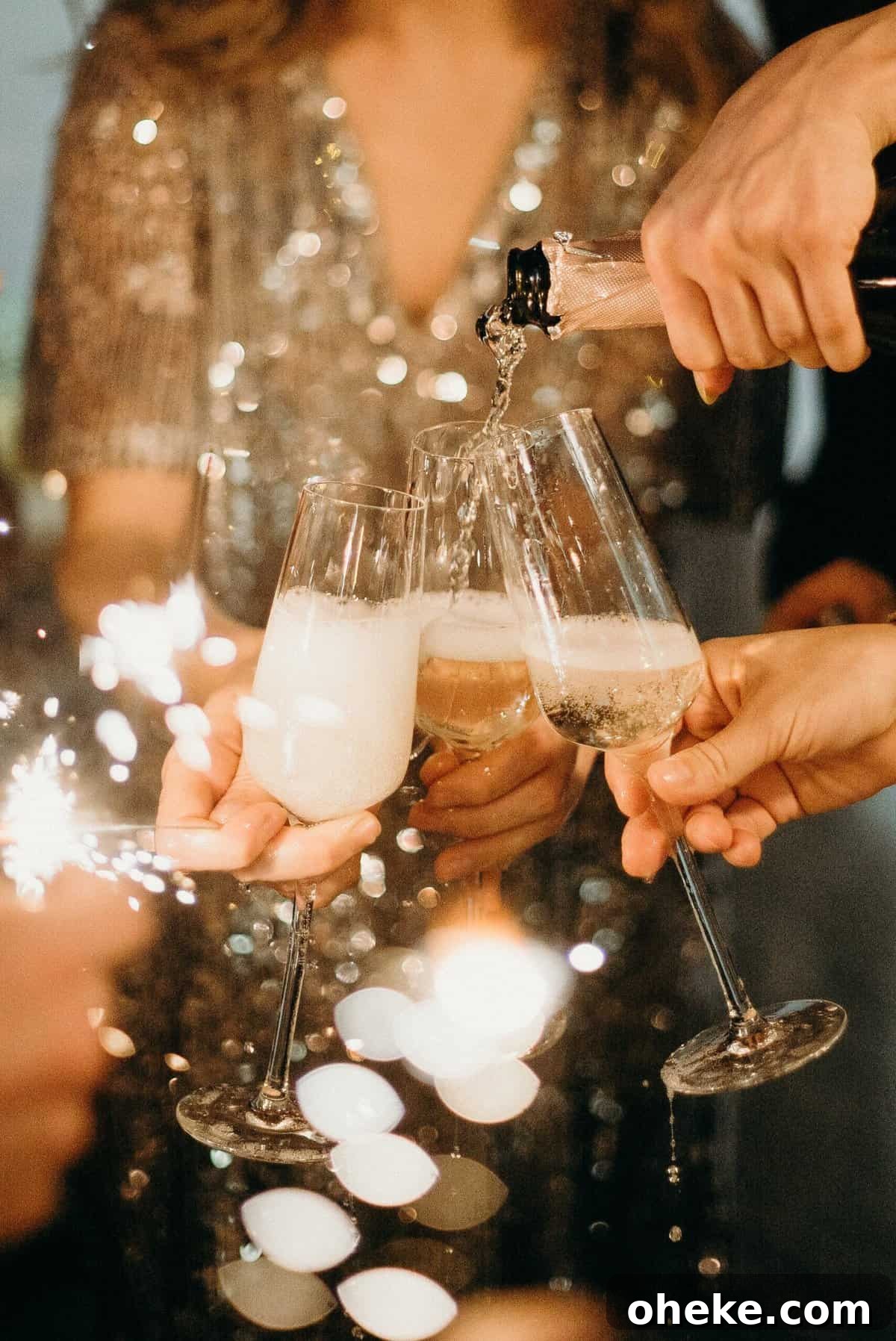
I’ve been crafting mocktails for years, from a ginger beer–based mule to playful candy-cane holiday drinks, so I’ve tried plenty of virgin alternatives. Good non-alcoholic sparkling wine can stand in for traditional bottles in nearly any celebratory setting—baby showers, dry January meetups, or simply when you prefer to skip alcohol.
Choosing a non-alcoholic bubbly lets you participate fully in social moments without the effects of alcohol. Below we’ll cover the basics and give ideas for enjoying alcohol-free sparkling wine in drinks and recipes.
What is true champagne?
True Champagne is a protected designation: only sparkling wine produced in the Champagne region of France using the region’s methods can be labeled Champagne. Non-alcoholic sparkling wines, by contrast, can be made anywhere. They deliver the signature effervescence and flavor profile of sparkling wine without being bound to a geographic appellation.
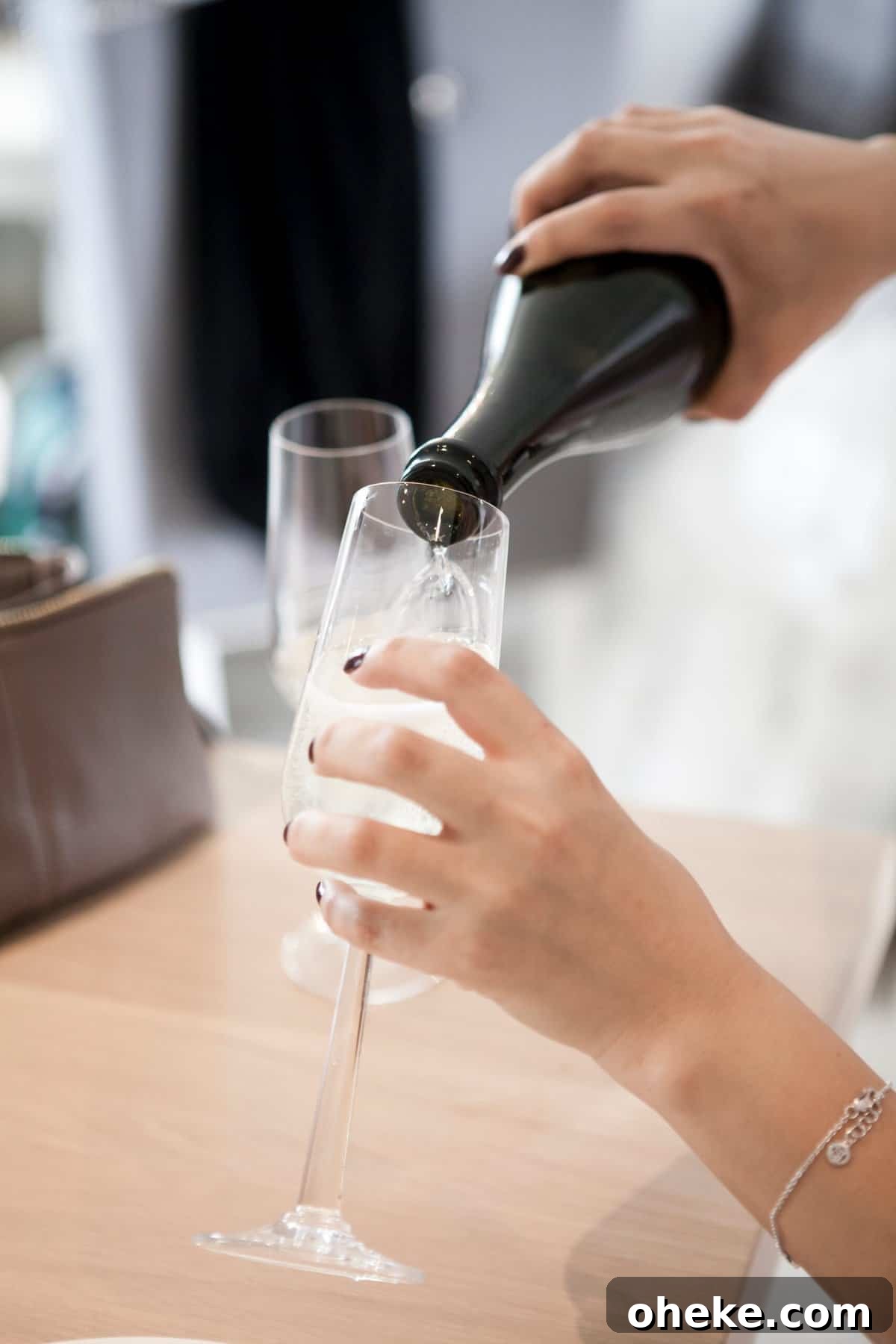
What is non-alcoholic champagne?
Non-alcoholic sparkling wine is typically made by removing the alcohol from a fermented wine while preserving as much of the original aroma and flavor as possible. Common techniques include gentle vacuum distillation or reverse osmosis, which separate alcohol from wine without overly compromising the delicate fruit and yeast notes typical of sparkling wines.
These alcohol-free sparklers are ideal for expecting parents, people observing sober months, designated drivers, or anyone who prefers an alcohol-free lifestyle. They work well as a standalone celebratory drink or as a base for mocktails and culinary uses.
What are the best non-alcoholic champagnes?
There are many quality alcohol-free sparkling wines available. Popular labels and producers offer a range of styles—dry, off-dry, fruity, or floral—so you can find something to suit your palate. Some well-regarded brands in the alcohol-free category include producers that focus specifically on de-alcoholized wines, as well as mainstream wineries that now offer alcohol-removed alternatives.
When shopping, note that some products are labeled “alcohol-removed” and contain trace amounts (typically below 0.5% ABV), while others are marketed as fully alcohol-free. Flavor profiles vary: look for a crisp, citrus-driven profile if you want a dry, refreshing sip; choose a fruit-forward bottle if you prefer something sweeter or more aromatic.
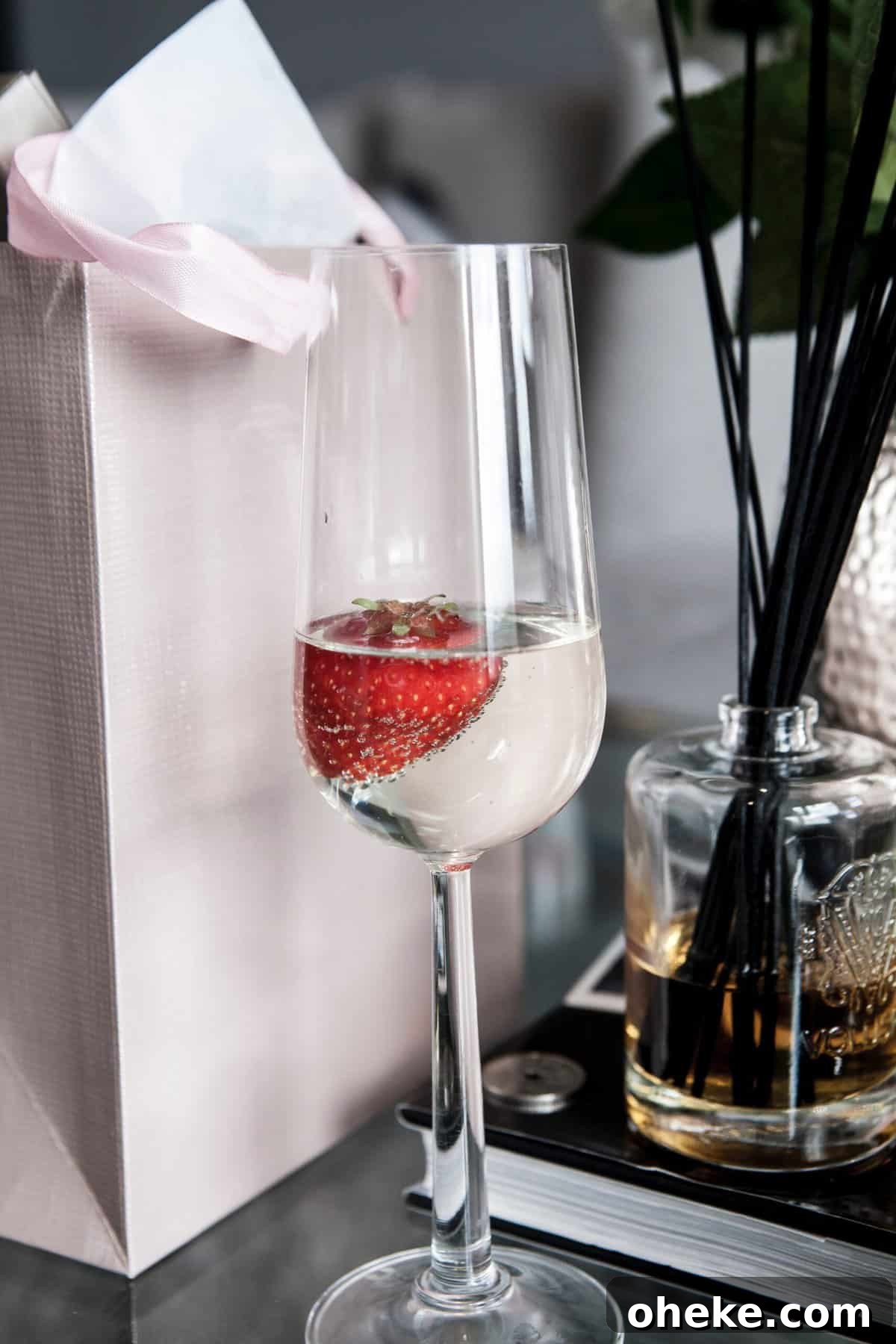
Can alcohol-free champagne be used in cooking or baking?
Absolutely. Alcohol-free sparkling wine can be used anywhere you’d normally use a bubbly wine: in pan sauces to add brightness, in desserts like granitas or sorbets, to macerate or poach fruit, or folded into batters and frostings for a subtle effervescence. Using alcohol-free versions preserves flavor without adding alcohol to the dish, making recipes accessible to more guests.
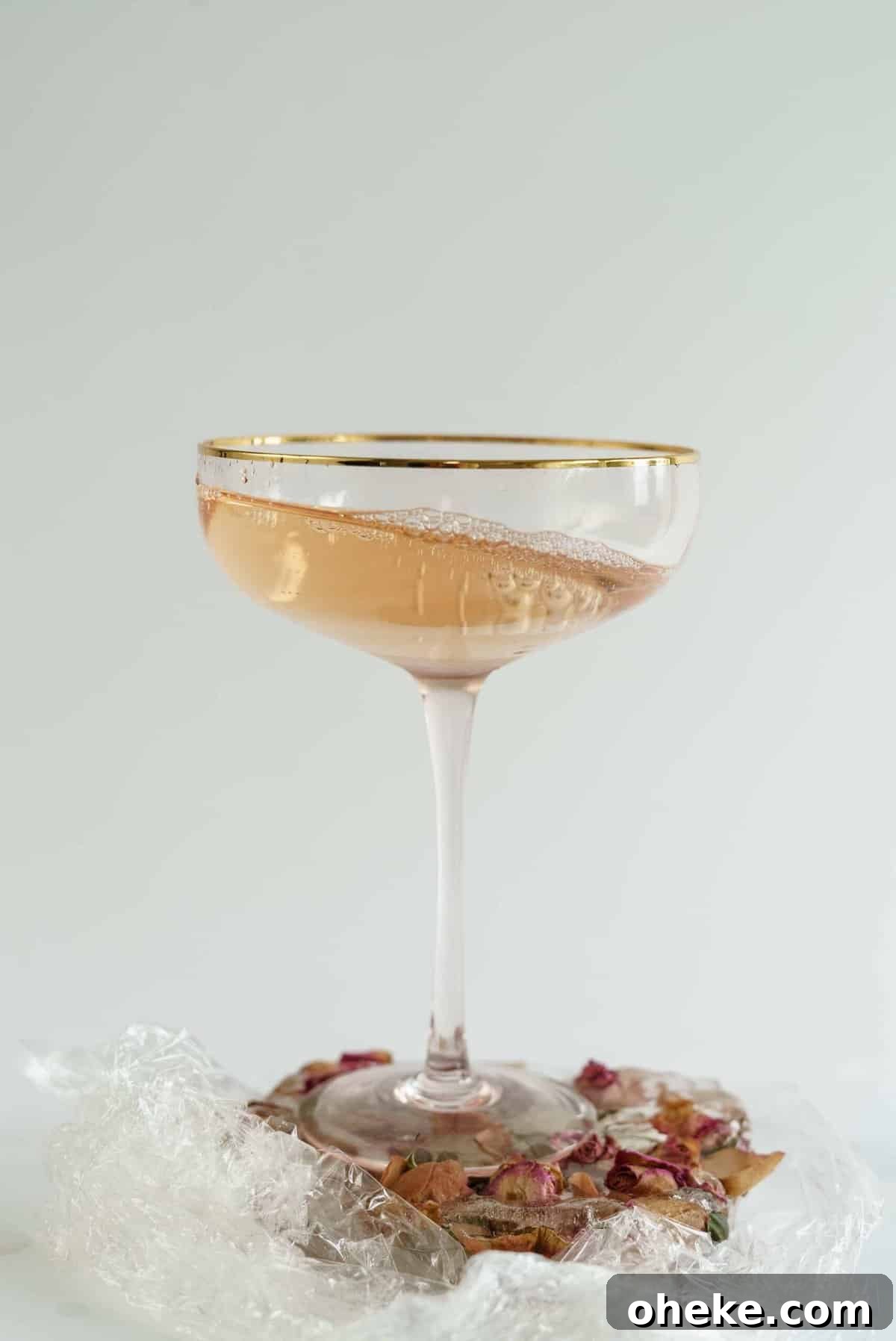
Mocktail recipes
Mocktails are one of the best ways to enjoy non-alcoholic sparkling wine. The bubbles add texture and lift to mixed drinks while keeping them family-friendly and hangover-free. Here are a few crowd-pleasing ideas that use alcohol-free sparklers:
- Virgin Mimosa: Combine chilled alcohol-free sparkling wine with fresh orange juice for a brunch classic.
- Pomegranate Sparkler: Mix pomegranate juice with a splash of citrus and top with non-alcoholic prosecco-style sparkling wine—great for winter holidays.
- Cranberry Fizz: Stir cranberry juice with a hint of orange zest and top with bubbles for a festive, tart mocktail.
- Alcohol-free White Sangria: Use alcohol-removed white wine or a neutral non-alcoholic sparkling base, add sliced fruit and a touch of soda for a refreshing pitcher.
- Fresh Berry Cooler: Muddle raspberries with a little simple syrup and lemon, then top with sparkling wine for a bright, fruit-forward option.
Whether celebrating a milestone or simply enjoying a quiet evening, non-alcoholic champagne offers a delicious, inclusive alternative that keeps the sparkle alive. Try different brands and styles to discover what suits your taste, and don’t hesitate to experiment—these bubblies are remarkably versatile in drinks and in the kitchen.