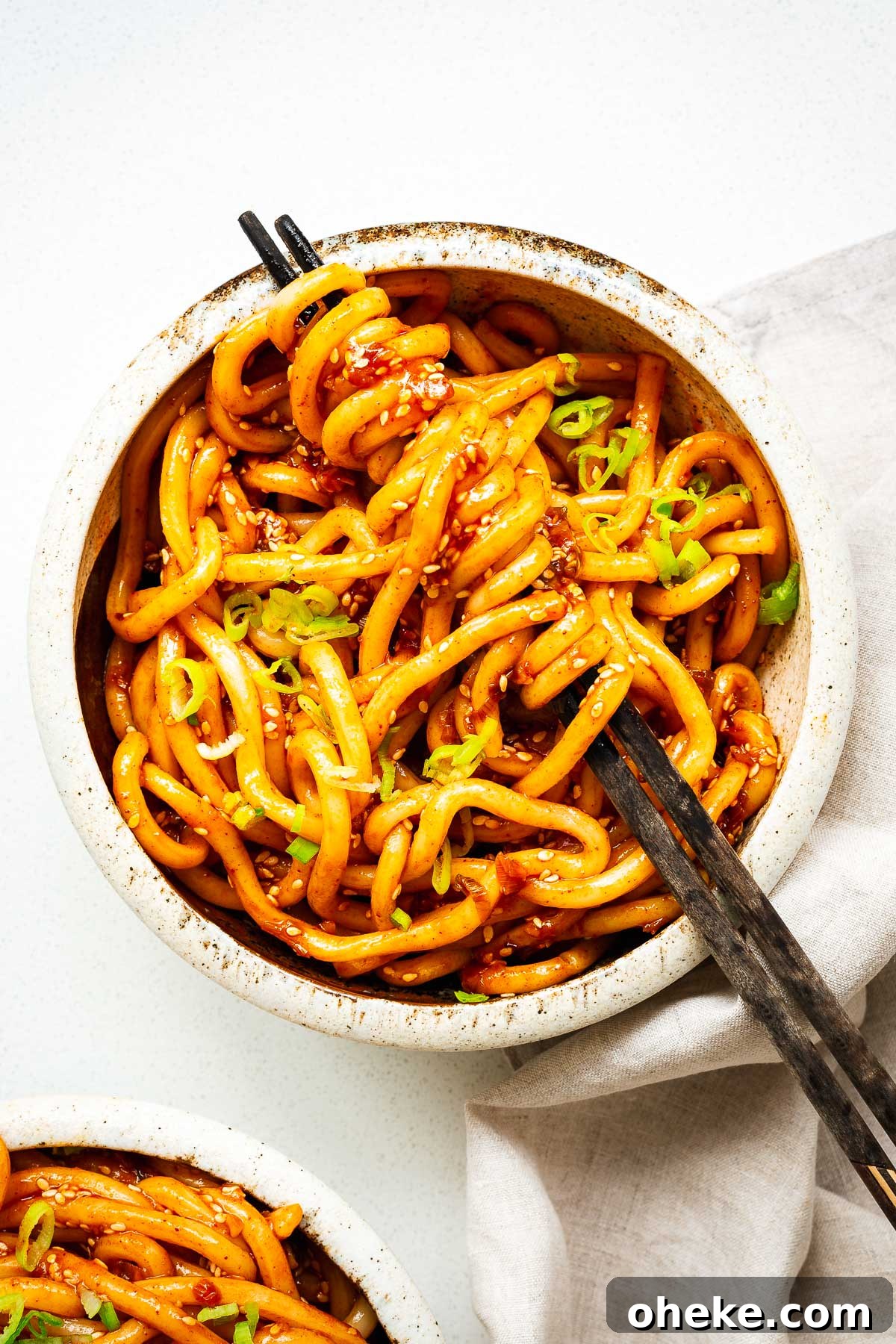
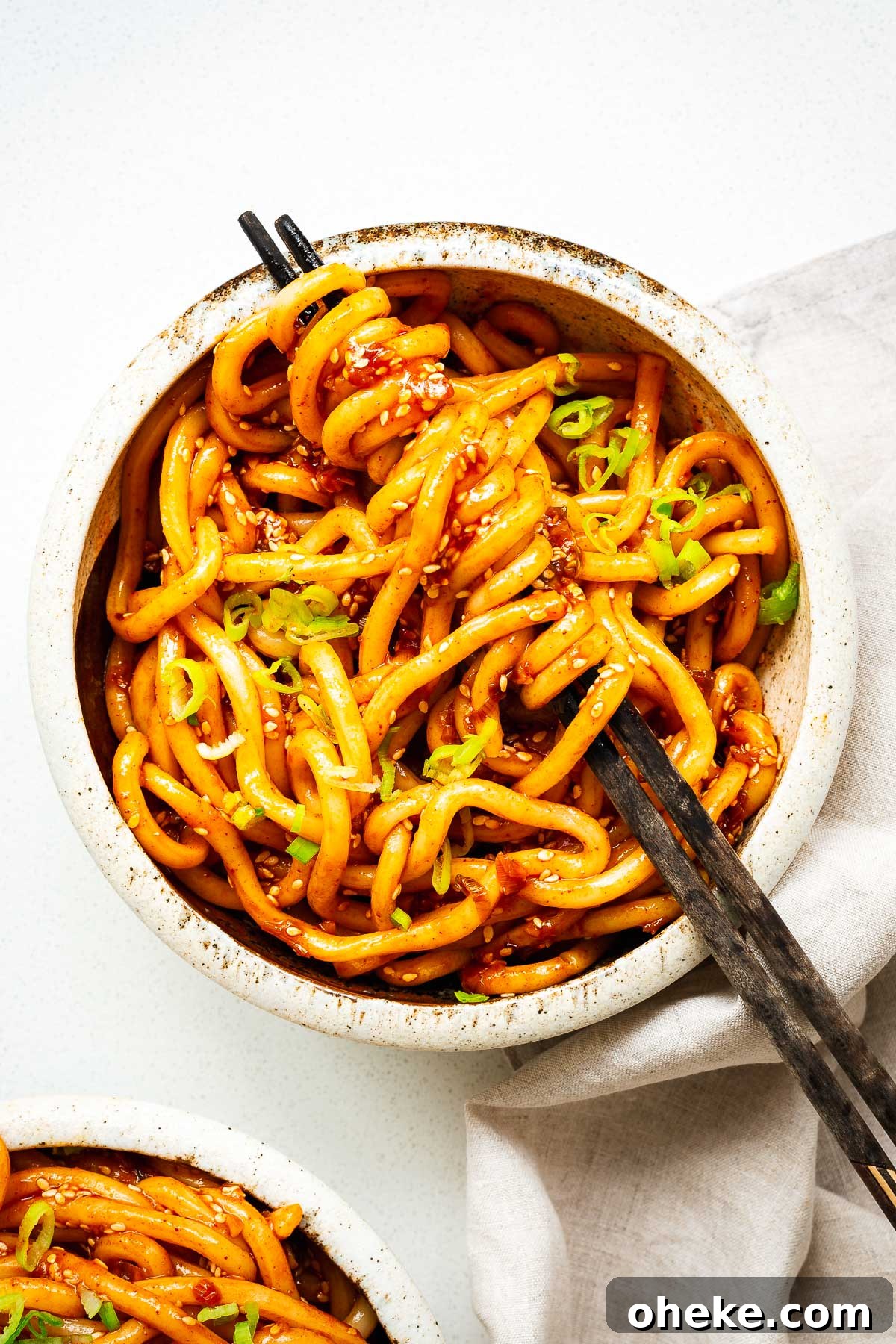
Gochujang noodles are a quick, flavourful meal to make when you don’t feel like preparing an elaborate dinner. They’re the kind of simple dish a tired cook might reach for after a long day: easy, fast, minimal washing up, and full of spicy umami.
The star ingredient is the gochujang noodle sauce.
Gochujang — a savoury, spicy, slightly sweet Korean red chilli paste — forms the base of this delicious noodle dish. Combined with pantry staples like toasted sesame oil, soy sauce and rice vinegar, it becomes a sticky, flavourful Korean sauce that clings to the noodles and delivers a satisfying punch.
Portions are modest but easy to increase if you’re hungry. Treat this spicy Korean noodle dish as a blank canvas: add stir-fried vegetables, tofu, or top with a fried egg if you don’t need it to be vegan.
In this post
- Why I love these noodles
- Ingredients and substitutes
- How to make spicy Korean noodles (step-by-step)
- Recipe variations
- Gochujang noodles recipe card
Why I love these noodles
- Perfect for busy weeknights: This spicy noodle recipe comes together in under 15 minutes—faster than most takeout and much more satisfying.
- Vegan-friendly: The base recipe is vegan. Add a fried egg for a non-vegan option or crispy tofu for extra protein while keeping it plant-based.
- Versatile: Use fresh udon, dried ramen, or rice noodles. Adjust heat with more gochujang or gochugaru, or mellow it with a spoonful of peanut butter or maple syrup.
- Great for a fridge raid: Toss in leftover vegetables, a handful of edamame, or some kimchi to bulk it up and boost flavour.
- Utterly delicious: The gochujang noodle sauce is a balanced mix of sweet, spicy, salty and tangy that elevates simple noodles into a flavour-packed meal.
Ingredients and substitutes
This gochujang noodle sauce clings to chewy noodles and flavours every bite. Below are ingredient notes and easy swaps.
Which noodles work best?
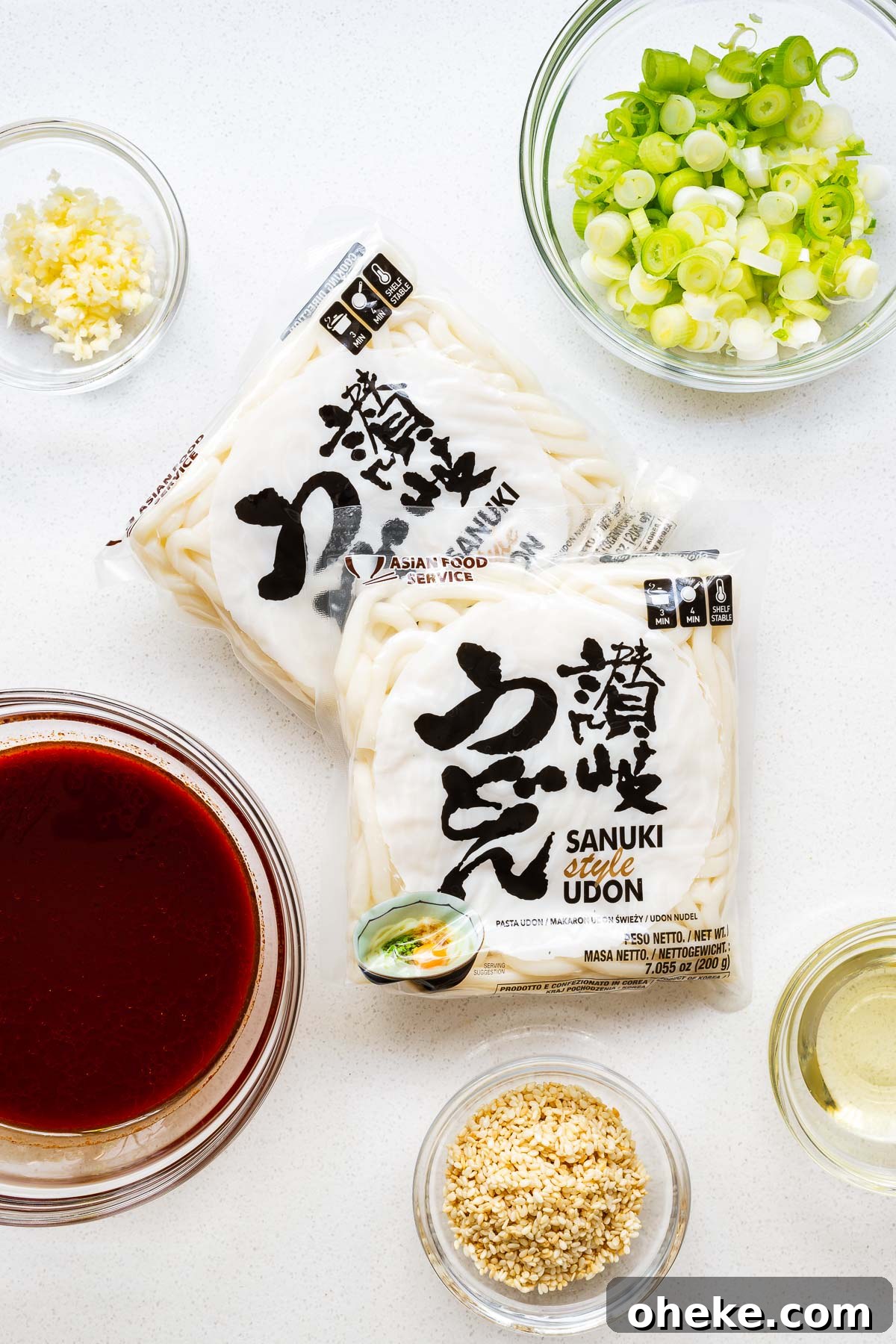
I love the way the sauce clings to thick, chewy udon noodles, but you can use any Asian wheat noodles or rice noodles. Packaged fresh udon typically comes vacuum-sealed with the dry noodles on the shelf. The recipe uses roughly 7 ounces (200 g) per portion, and the sauce is enough for about 7–8 ounces per portion; increase the sauce if you want more noodles.
Tip: Check package instructions for dried noodles—they absorb liquid differently. For example, an instant ramen portion is usually about 2 ounces.
Gochujang noodle sauce ingredients
- Green onions: Substitute shallots or regular onions if needed, or garnish with chives.
- Garlic: Freshly minced is best; garlic paste works but watch it doesn’t burn.
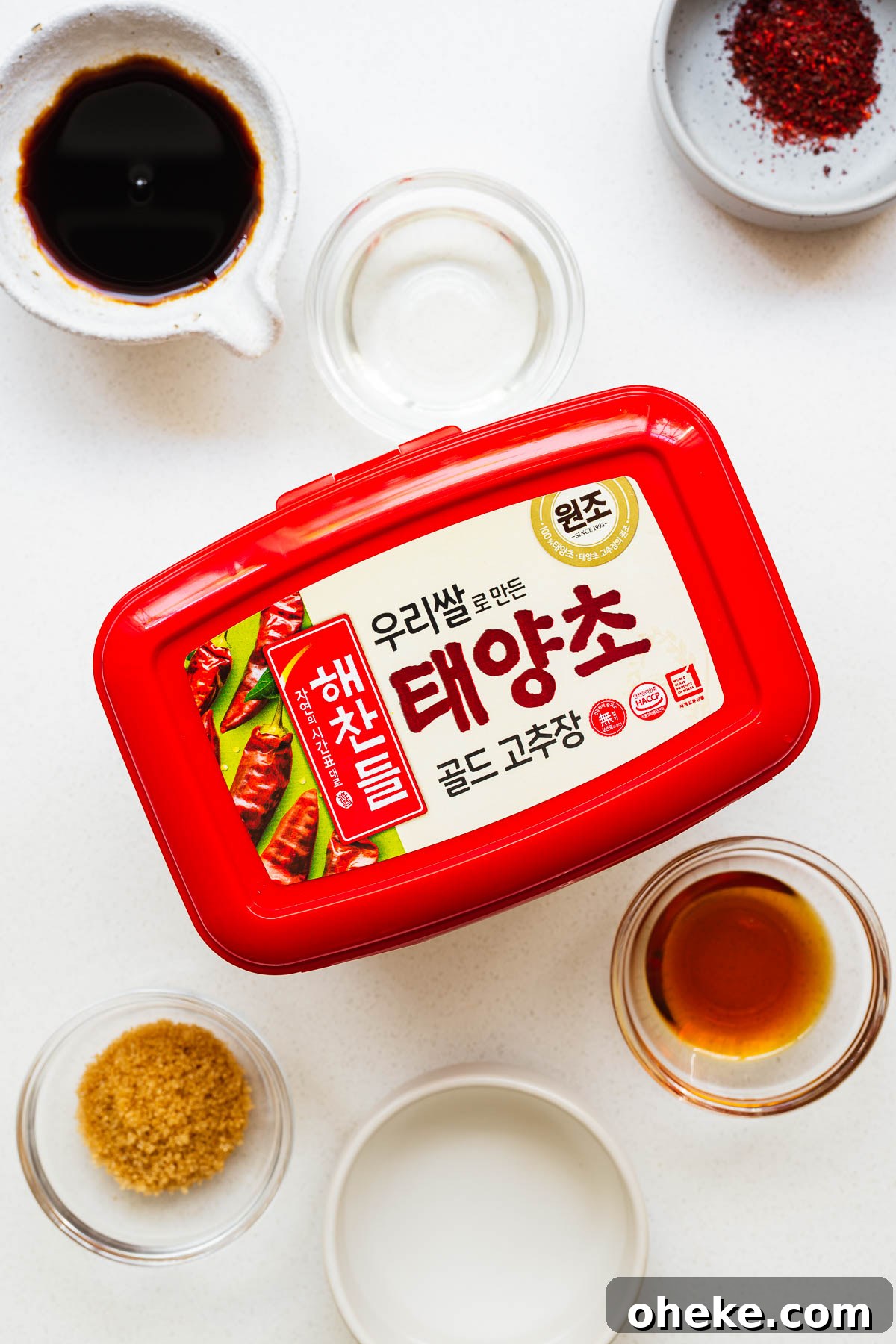
- Gochujang paste: The essential ingredient. It comes in varying heat levels—medium-hot is a good default. If you don’t have it, use an appropriate substitute or increase other spicy elements.
- Soy sauce: Use regular or light soy sauce, not dark soy sauce, which is too strong.
- Water: Thins the sauce; use stock for extra depth if you prefer.
- Toasted sesame oil: Adds a nutty finish. Regular sesame oil is a milder substitute.
- Rice vinegar: Adds gentle acidity; mirin or white wine vinegar can work in a pinch.
- Brown sugar: Balances heat and acidity and helps the sauce cling. Maple syrup or another sweetener works too.
- Gochugaru (Korean chilli flakes): Optional for extra heat. Use red pepper flakes or a fresh chilli if unavailable.
Use a neutral oil such as canola, peanut or vegetable oil to cook. Finish with toasted sesame seeds and reserved green onion greens for garnish.
How to make spicy Korean noodles
These noodles are quick, comforting and packed with flavour. Follow the four simple steps to a bowl in about 15 minutes.
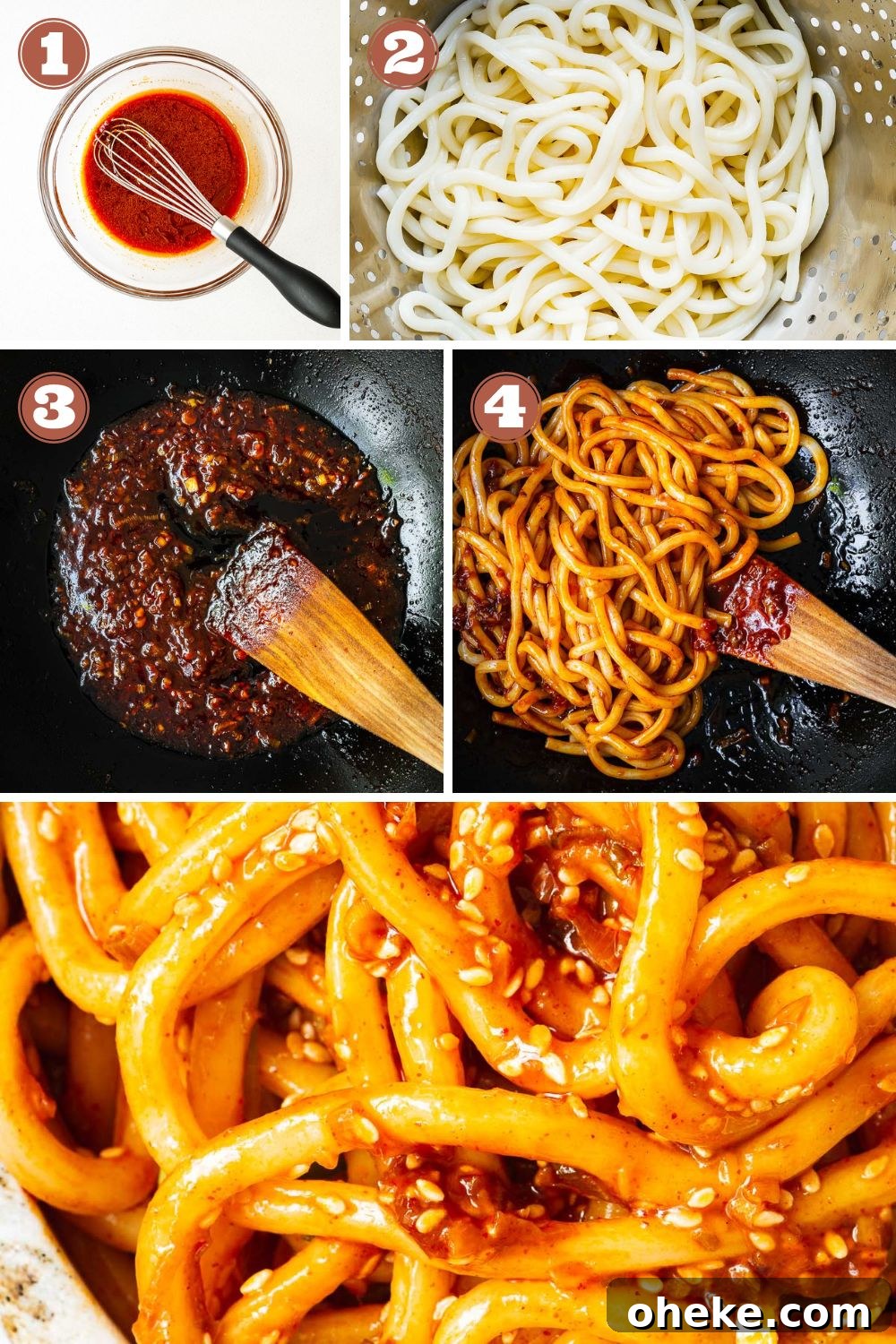
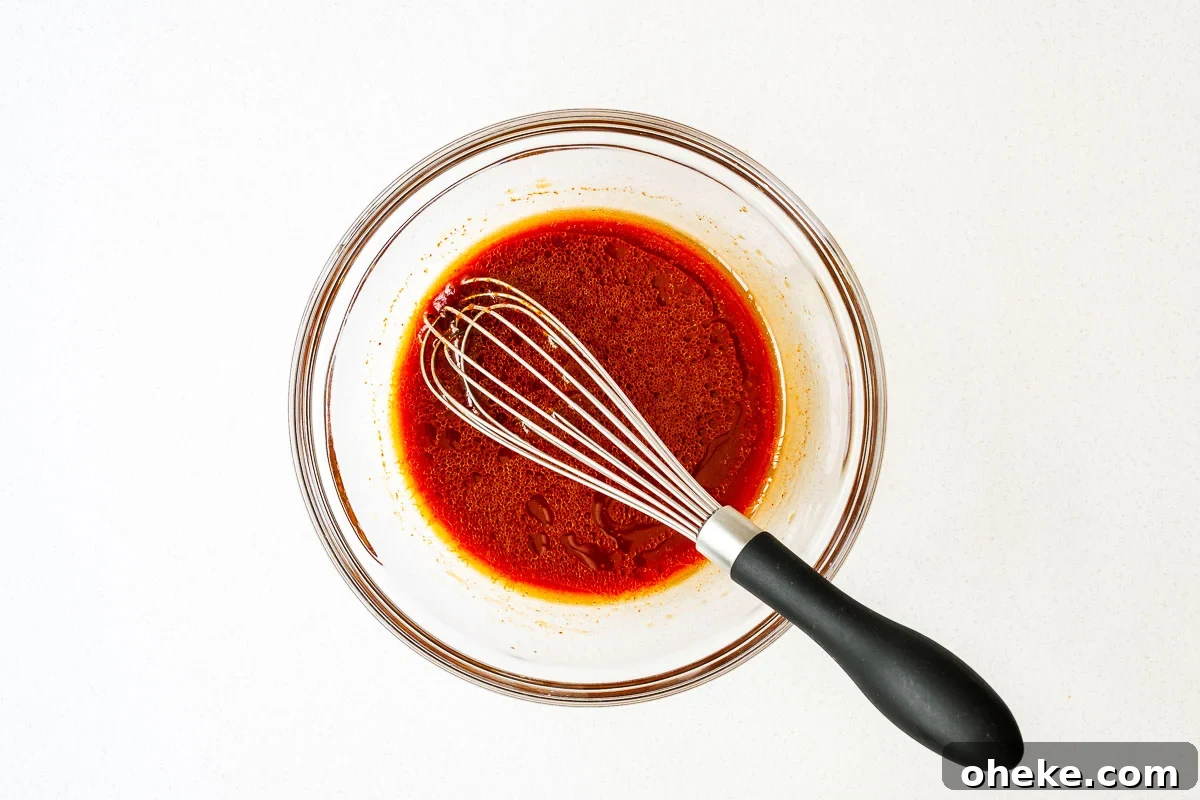
Step 1: Make the gochujang noodle sauce
Whisk the sauce ingredients in a small bowl:
- 2 tablespoons gochujang paste
- 2 tablespoons soy sauce
- 2 tablespoons water
- 1 tablespoon toasted sesame oil
- 2 tablespoons rice vinegar
- 1 tablespoon brown sugar
- 1 teaspoon gochugaru or red pepper flakes (optional)
Tip: Taste the sauce before adding extra chilli. Adjust heat to your preference—add more gochujang or a sprinkle of gochugaru when serving if you want control over spice levels.
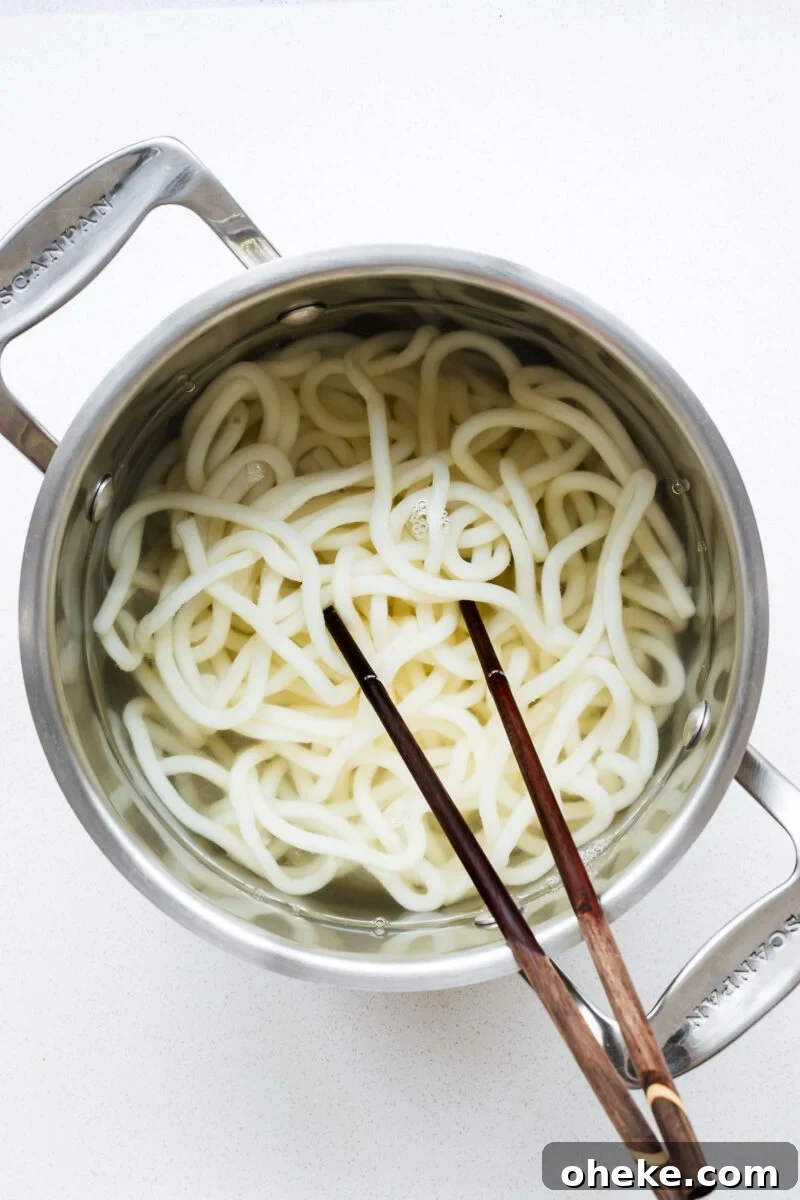
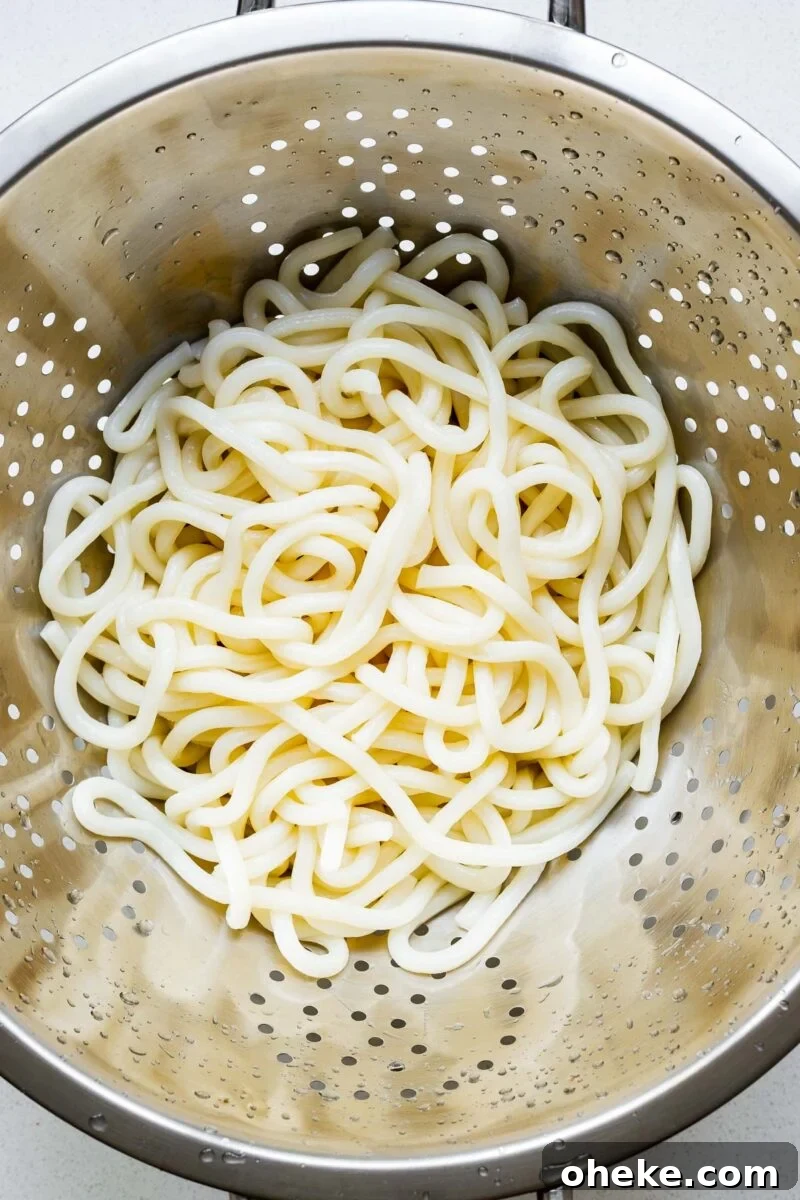
Step 2: Cook the noodles
Boil fresh udon for 2 minutes (add a minute for frozen udon) until the noodle cake separates into strands. Remove from heat and gently separate with chopsticks. For dried noodles, cook according to package instructions but stop a minute before full doneness. Drain and rinse with cold water to stop cooking.
Step 3: Simmer the gochujang noodle sauce
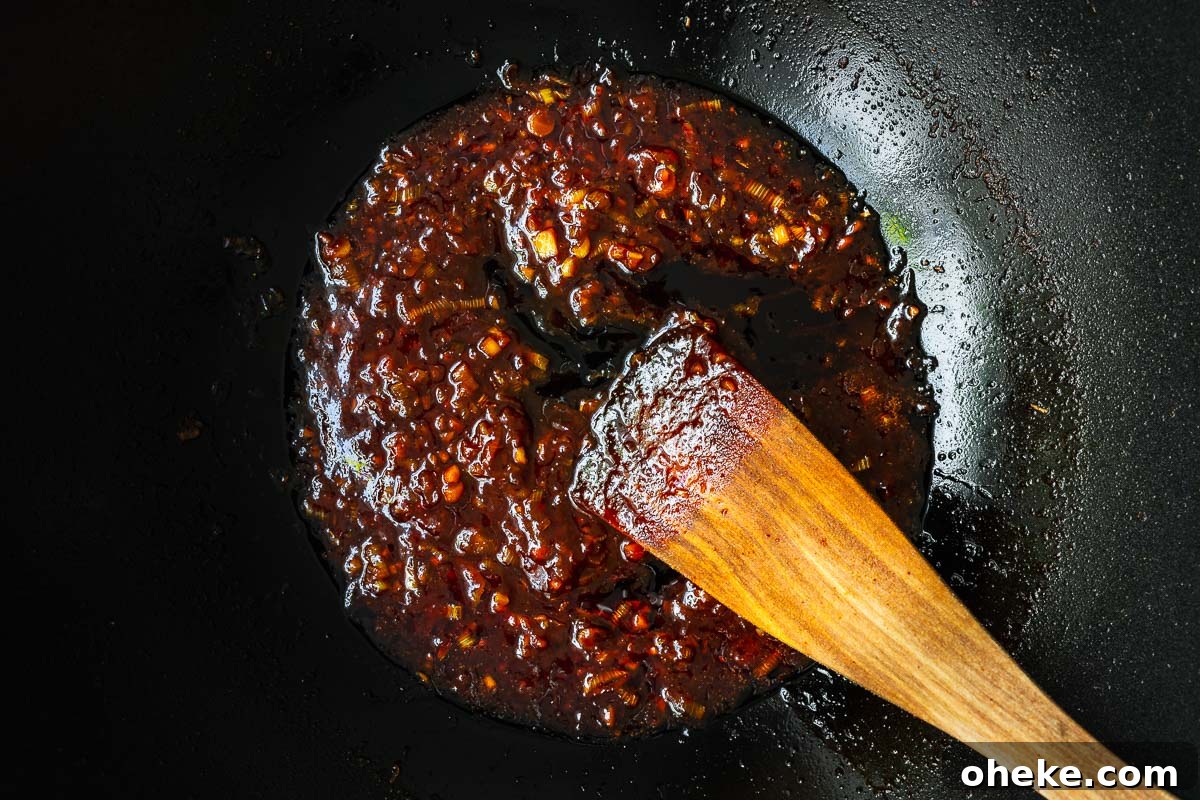
Heat a wok or non-stick pan over medium-high and add 1 tablespoon neutral oil. Once shimmering, stir-fry sliced green onions for a minute or two, then add minced garlic and cook until fragrant without burning. Add the prepared gochujang sauce (it may sputter) and simmer, stirring frequently, until it thickens—about 3 minutes.
Step 4: Finish the noodles
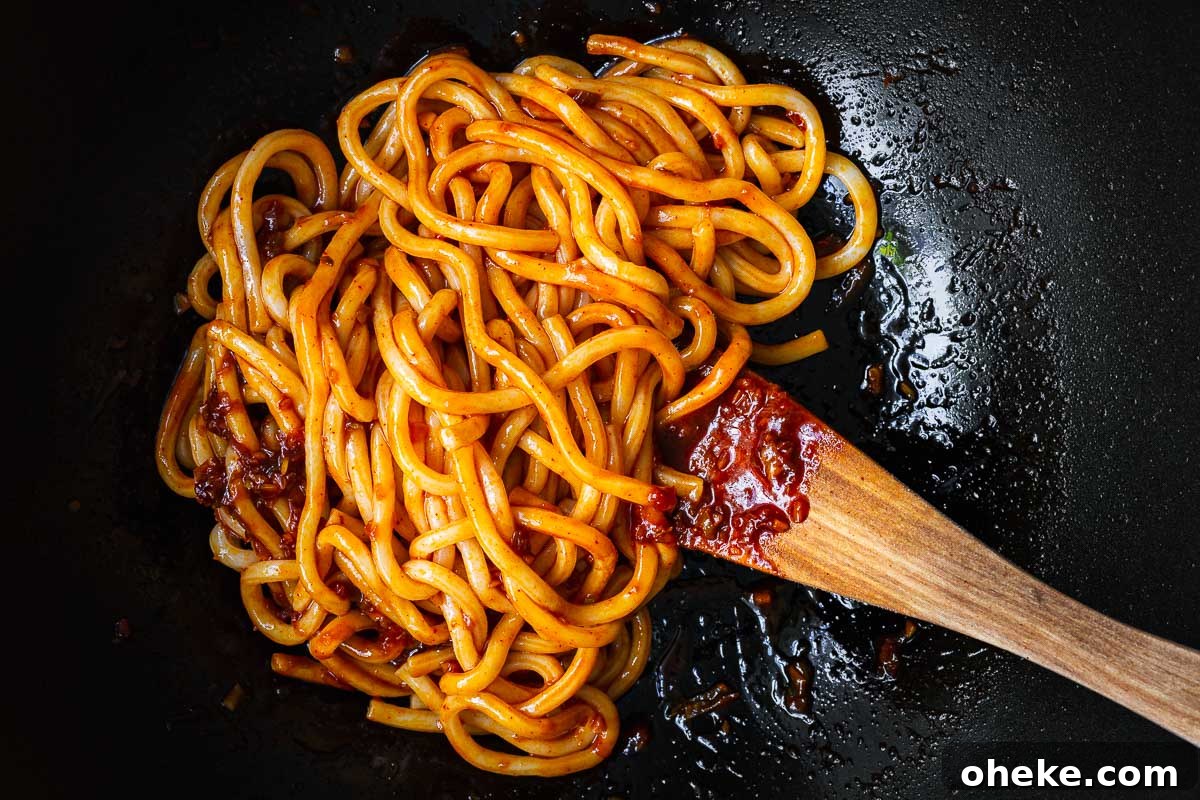
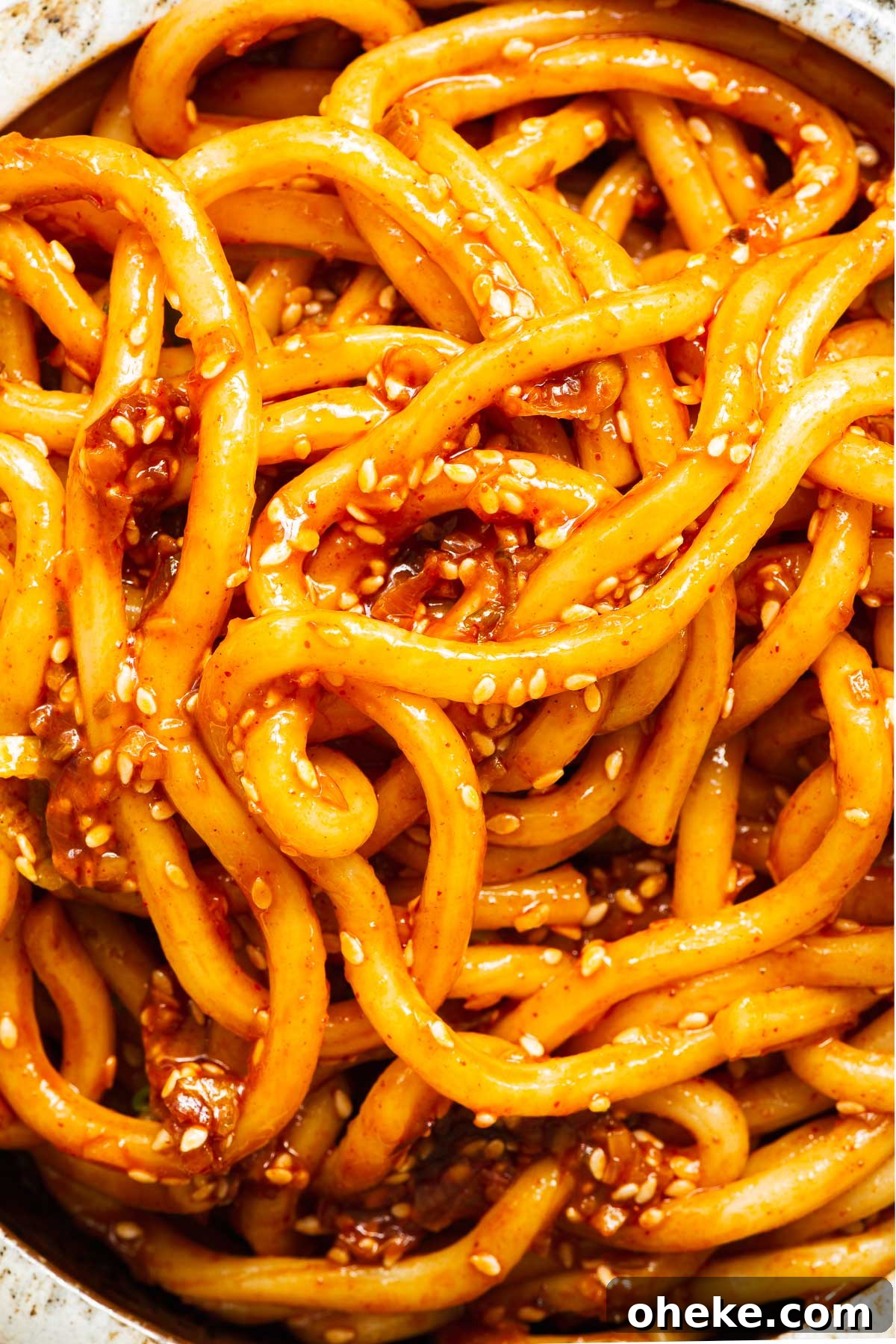
Add the cold noodles to the pan and toss for a minute to heat through. Stir in toasted sesame seeds. Transfer to bowls, garnish with reserved green onion greens and an extra sprinkle of chilli flakes if desired. Serve warm or at room temperature, and top with a fried egg if you like.
Gochujang noodle variations
The base recipe is excellent on its own, but easy to bulk up to suit appetite and pantry supplies:
- Gochujang tofu noodles: Pan-fry firm tofu until golden, then return to the pan to braise in the sauce before tossing with noodles.
- Rainbow gochujang noodles: Stir-fry shredded cabbage, carrots and red pepper with the green onions, then add the noodles. Drizzle with a hoisin-peanut sauce for a nutty boost.
- Gochujang noodle soup: Mix the sauce with 2 cups of vegetable or chicken broth, simmer to marry the flavours and add the noodles for a comforting soup. A drizzle of sesame oil and a sprinkle of gochugaru finish it well.
- Spicy mushroom noodles with egg: Add sliced shiitake or roasted oyster mushrooms while frying the green onions, then proceed with the recipe. Finish with a fried egg or a raw yolk for richness.
These ideas are starting points—use whatever vegetables, protein or toppings you like to make the dish your own.
Leftovers storage instructions
Store leftovers in an airtight container in the refrigerator for up to four days.
To reheat, add a splash of water and warm gently in a pan or microwave for 1–2 minutes. The noodles also work cold, topped with a soy-marinated egg for an easy snack.
Love gochujang?
If you enjoyed these noodles, try other gochujang-forward recipes for more flavour inspiration.
- Gochujang tofu (spicy Korean braised tofu)
- Homemade bibimbap sauce
- Gochujang fried rice with kimchi
- Gochujang egg salad on toast
- Gochujang mayo
Gochujang Noodles (Spicy Korean Noodle Recipe)
Ingredients
- 14 ounces instant fresh udon noodles*
- 1 tablespoon neutral cooking oil
- 3 green onions, sliced (reserve some greens for garnish)
- 2 cloves garlic, minced
- 3 tablespoons sesame seeds, toasted
Gochujang noodle sauce
- 2 tablespoons gochujang paste or more for a spicier sauce
- 2 tablespoons soy sauce
- 2 tablespoons water
- 2 tablespoons rice vinegar
- 1 tablespoon toasted sesame oil
- 1 tablespoon brown sugar
- 1 teaspoon gochugaru (Korean chilli flakes) or red pepper flakes (optional)
Instructions
-
Whisk all gochujang noodle sauce ingredients except the optional chilli flakes. Taste and adjust heat or sweetness as desired, then set aside.
-
For fresh udon noodles: Boil water and cook fresh udon noodle cakes for 2 minutes. Remove from heat and gently separate the strands with chopsticks.
-
For dried noodles: Cook according to package instructions, stopping a minute short of full doneness.
-
Drain and rinse noodles with cool water.
-
Heat a wok or non-stick pan over medium-high and add oil. Stir-fry green onions for 1–2 minutes, then add minced garlic and cook until fragrant.
-
Add the gochujang sauce to the aromatics (it may sputter) and simmer, stirring often, until it thickens, about 3 minutes.
-
Toss in the cold noodles and cook for 1 minute to heat through. Remove from heat and stir in toasted sesame seeds.
-
Serve in bowls topped with reserved green onions and extra chilli flakes if desired.
Notes
- The udon package may be labeled “pre-cooked,” “wok-ready,” “fresh noodles” or “instant fresh Japanese noodles.” Follow the same cooking method for frozen udon, adding a minute to the boil time.
- The sauce clings best to thick, chewy noodles, but any Asian wheat noodle works. Adjust portions for dried noodles (ramen portions are typically about 2 oz).
- Gochujang comes in varying heat levels. I use medium-hot and add gochugaru if I need more spice.
- Serve warm or at room temperature depending on preference.
- Store leftovers in an airtight container for up to 4 days and reheat with a splash of water.
- See the variations section for ideas to bulk up the dish.
Nutrition Information
More Korean-inspired recipes you may like
If you enjoyed these noodles, you might also like these simple Korean sides and mains.
-
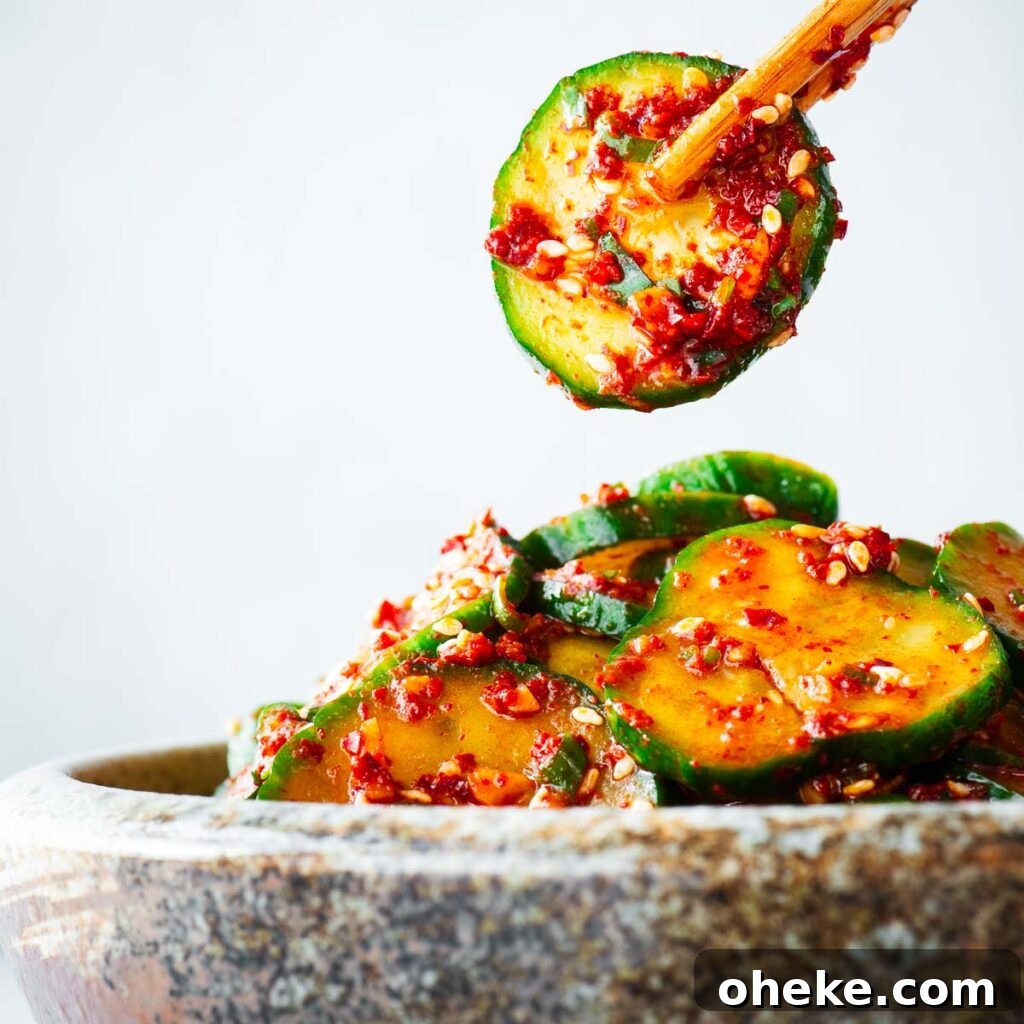
 Spicy cucumber salad
 -
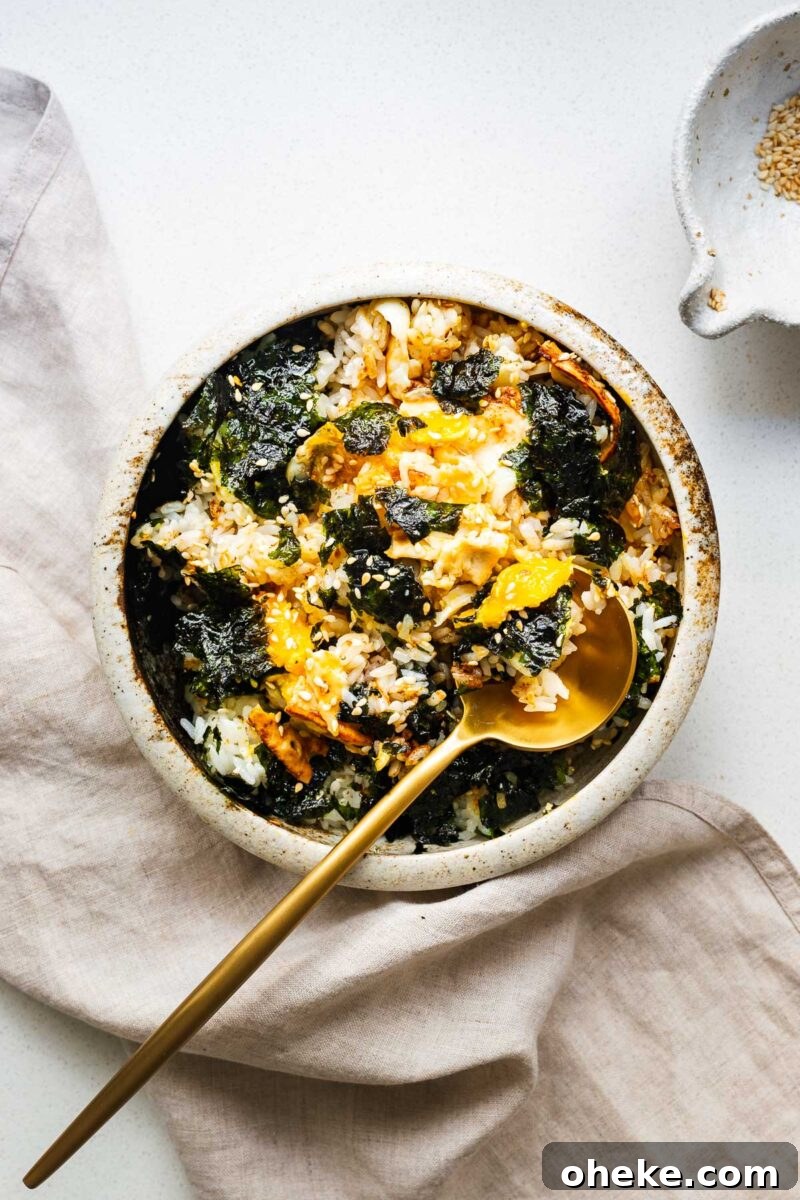
Gyeran bap
-
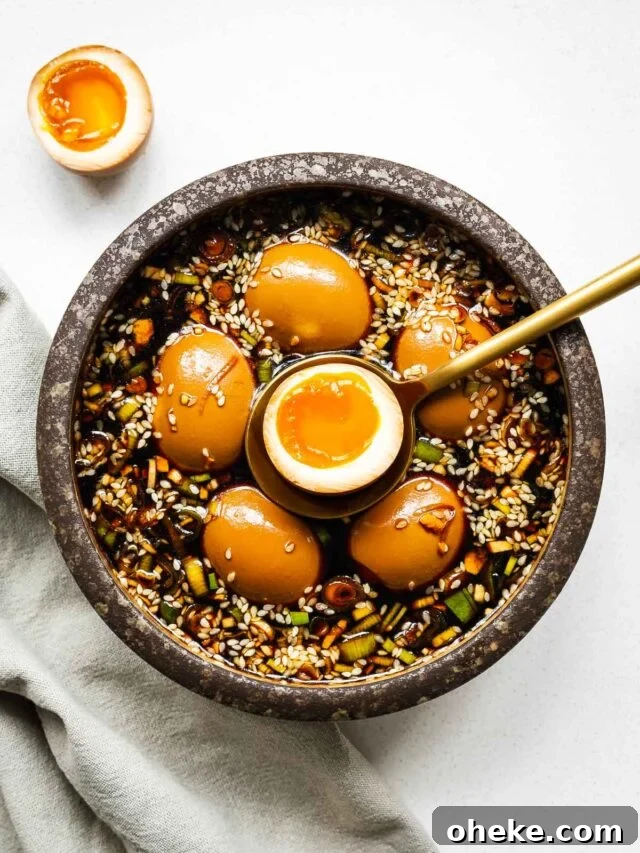
Mayak eggs
-
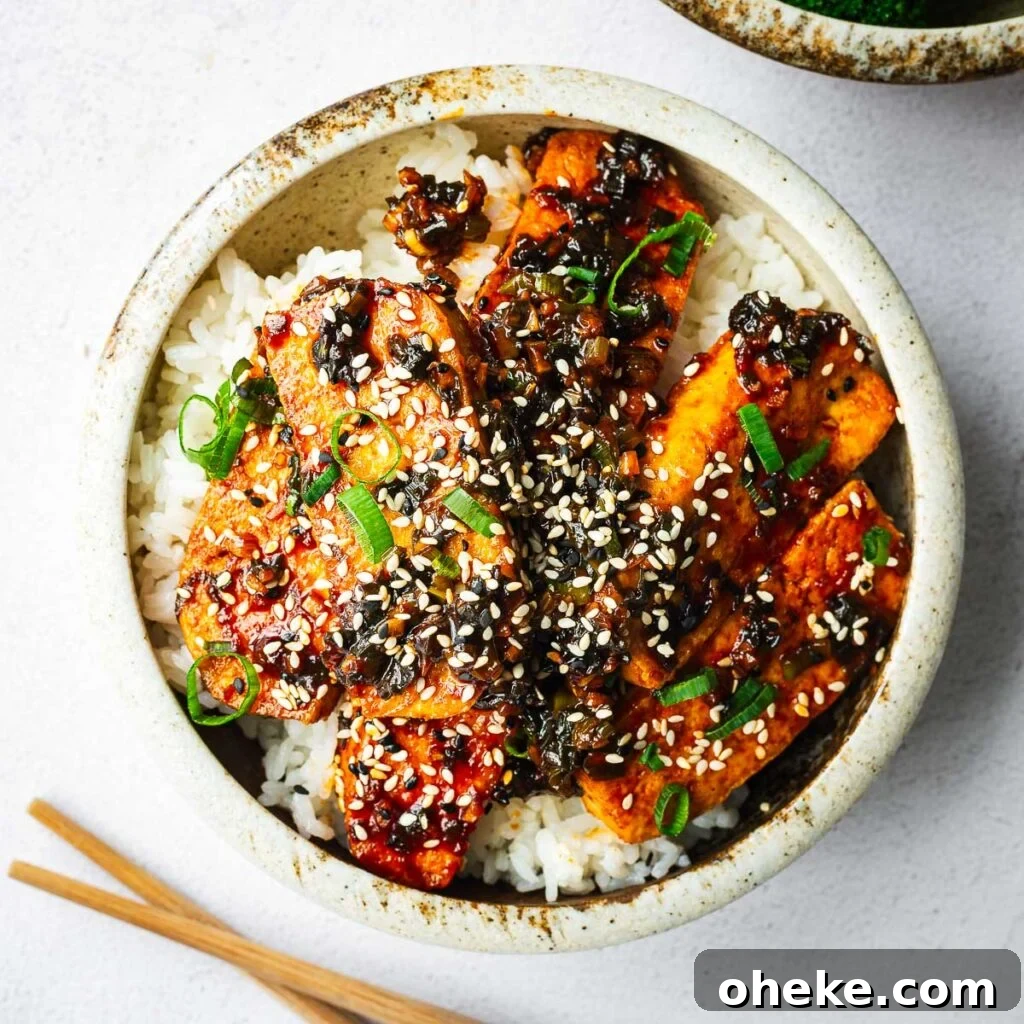
Gochujang tofu