Some recipes shine because of their simplicity. While we enjoy sharing more complex bakes like wienerbrød (Danish pastries), there are times when a straightforward recipe is the best choice. This lemon cake is a perfect example: elegant, bright, and ideal for a warm late-summer afternoon.
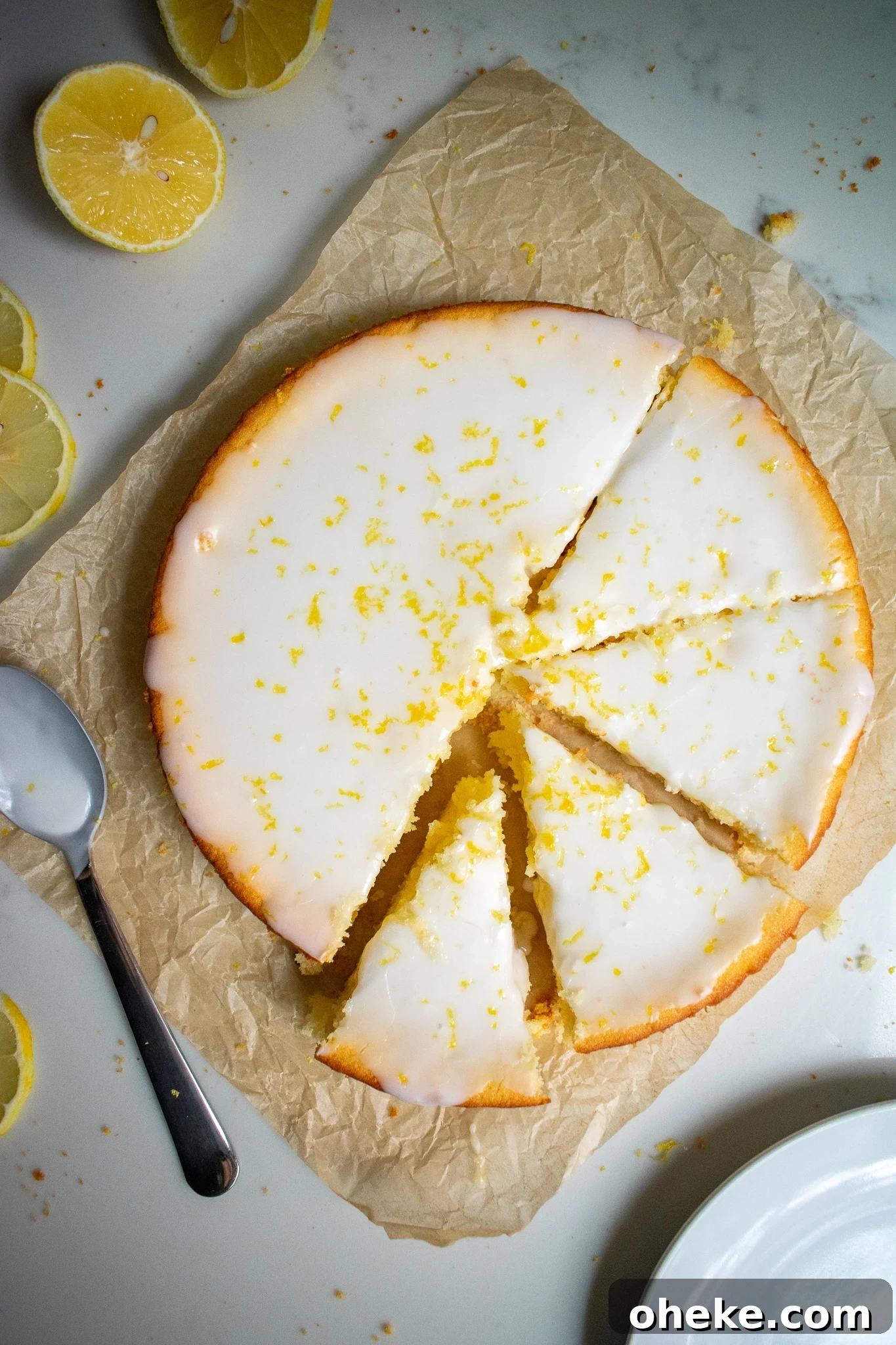
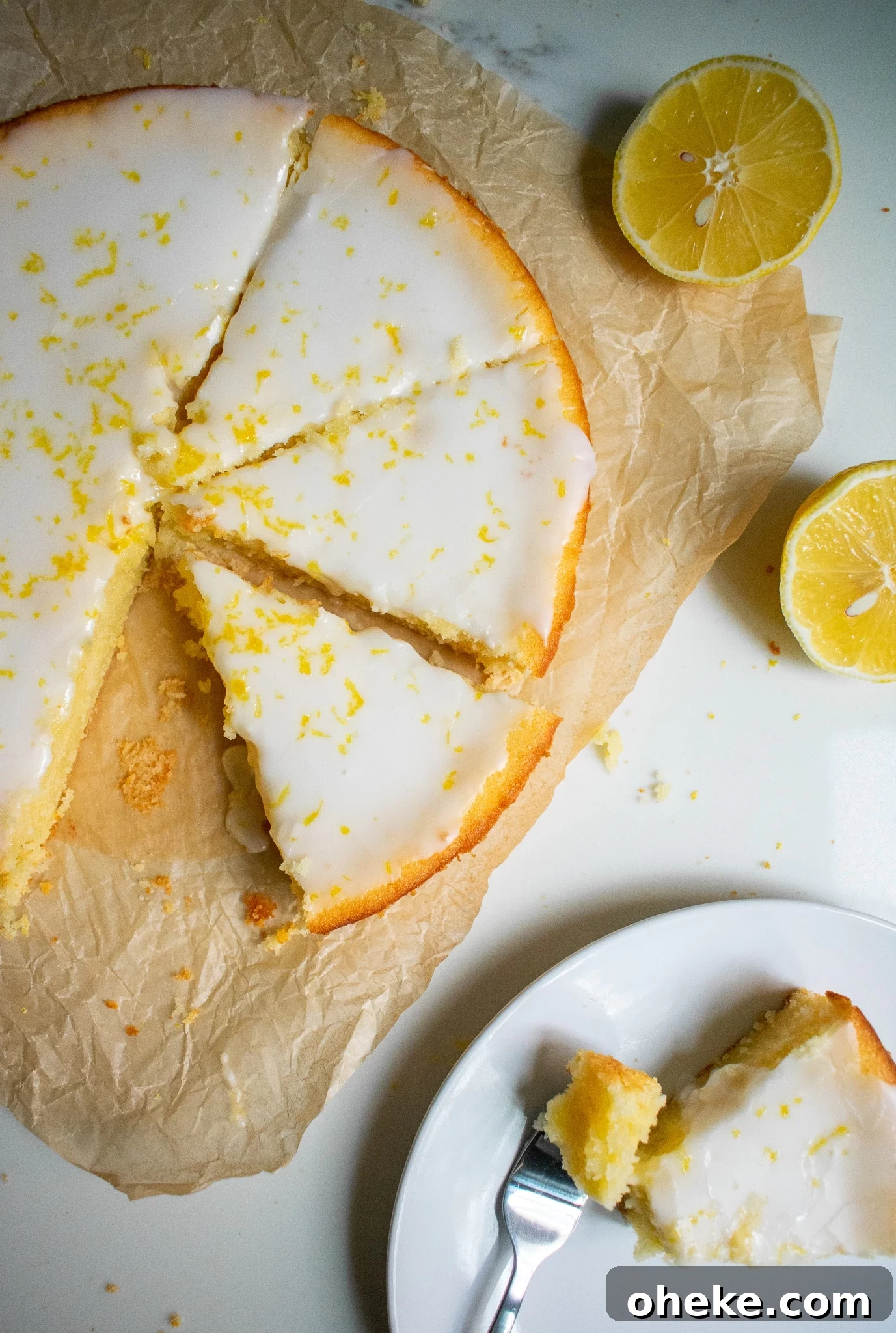
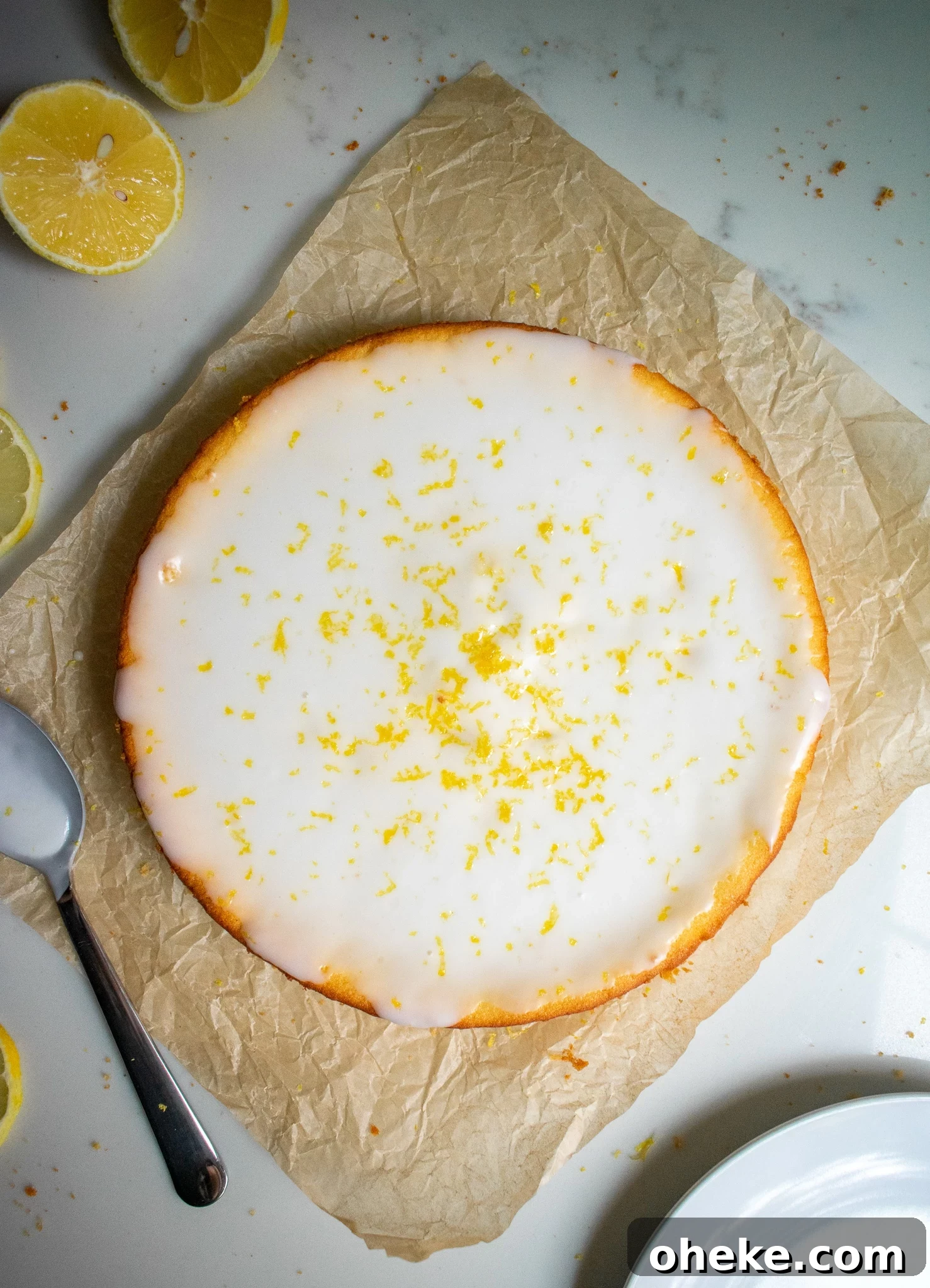
“Citronmåne” translates to “Lemon Moon,” a name that suits this cake well. It’s packed with lemon flavor—both juice and zest—giving it a lively, tart profile balanced by a tender, buttery sponge. The cake is finished with a simple powdered sugar glaze mixed with water, which adds a glossy sheen and settles into the little peaks on top, creating a charming crater-like texture.
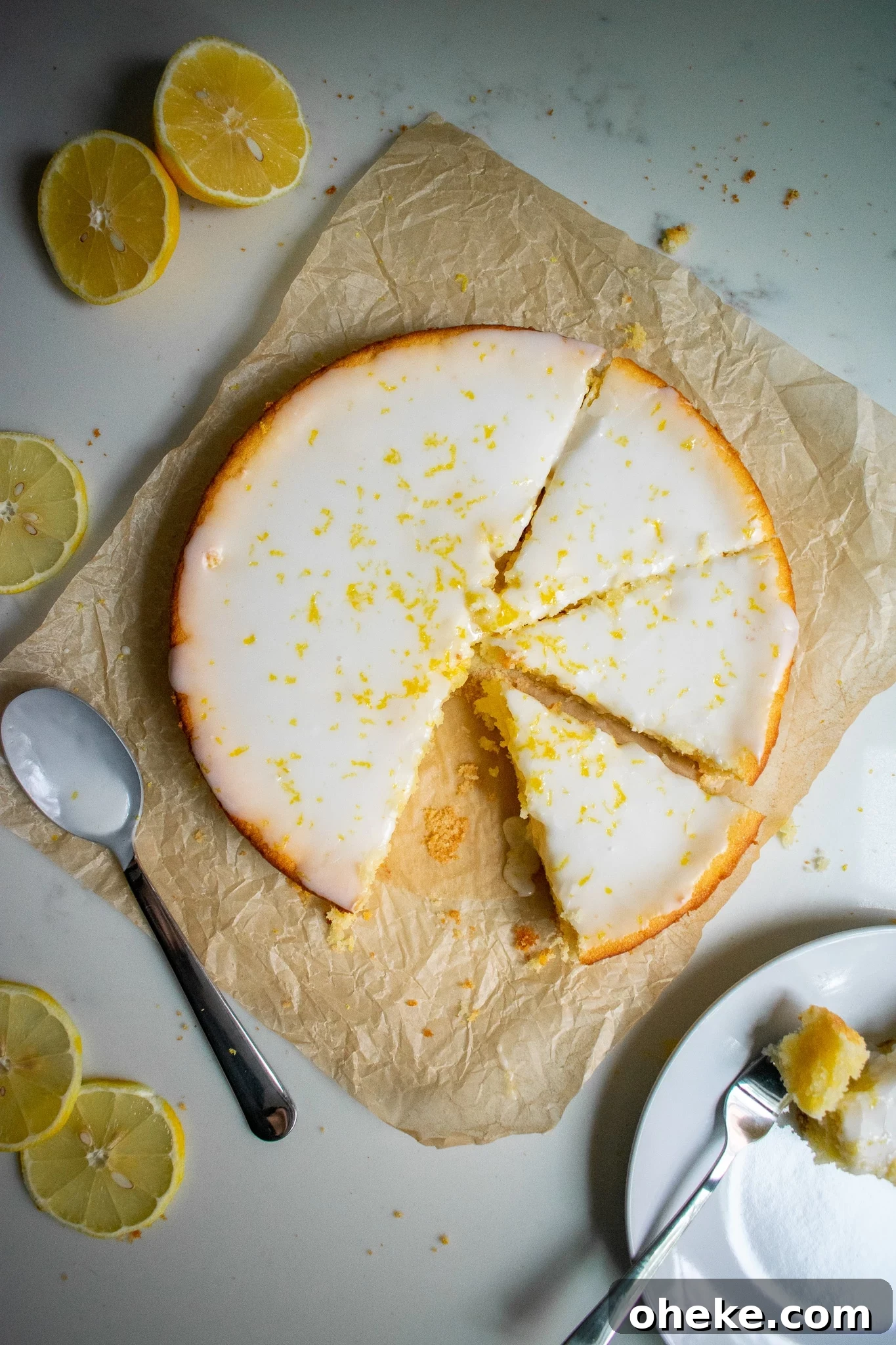
The method is uncomplicated, but a few important details make a big difference. Bring the butter, eggs, lemon juice, and milk to room temperature before you begin—this prevents the batter from splitting and promotes an even rise and the best texture. Leave these ingredients out for a few hours or overnight; warm the milk briefly if needed. Follow the steps gently and don’t overmix once you combine the dry ingredients, and you’ll have a moist, flavorful cake with a beautiful crumb.
Watch Our Video
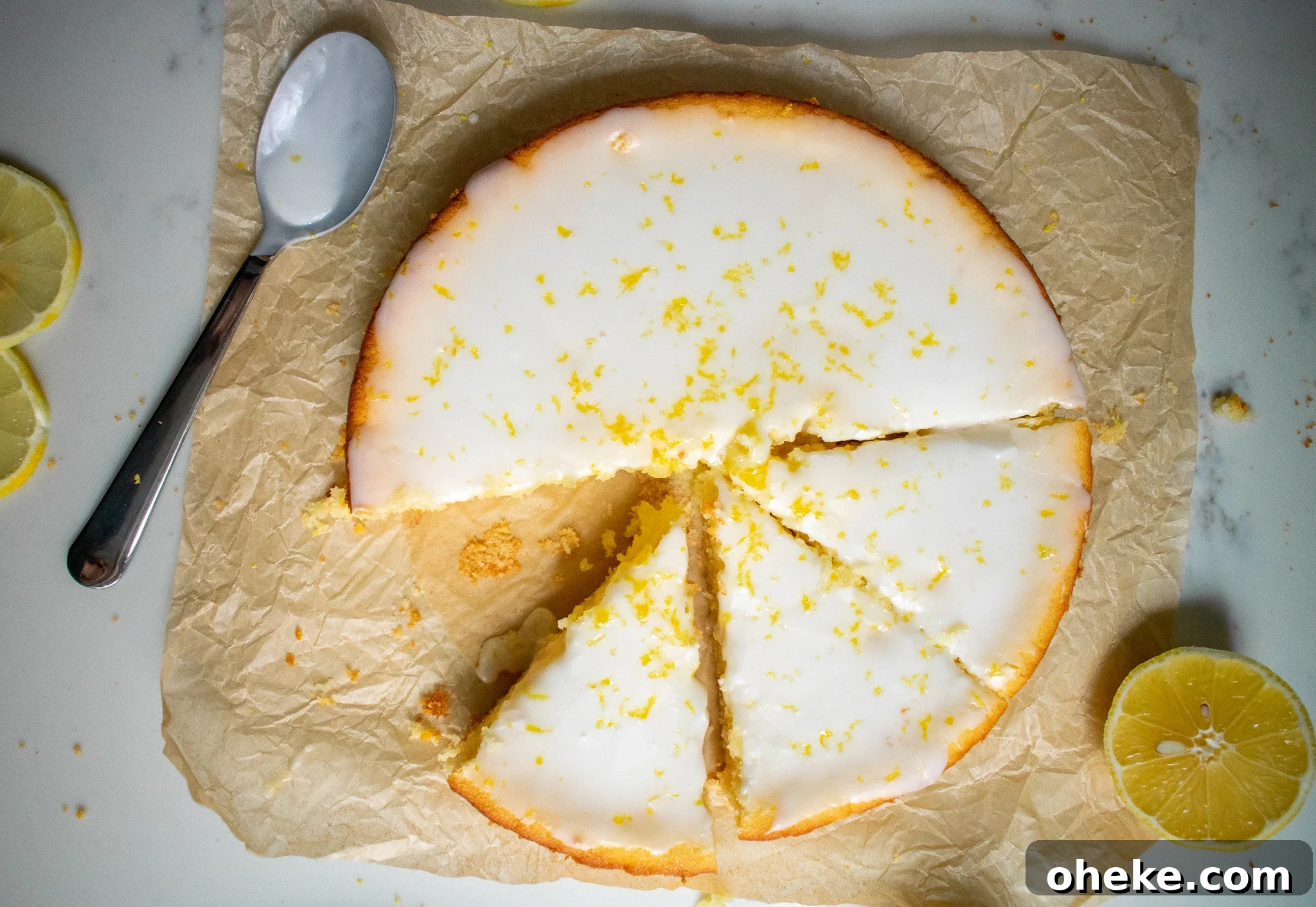
Citronmåne (Lemon Moon Cake)
Pin Recipe
IMPORTANT NOTE:
We develop and bake using a digital scale and metric measurements (grams and milliliters) for accuracy. Results may vary if using cup measurements. Recipes were tested in a convection (fan) oven.
Ingredients
SPONGE
- 200 grams (1 cup) sugar
- 200 grams (14 tbsp) unsalted butter, softened
- 3 large eggs, room temperature
- 1 tsp vanilla extract
- 120 ml (1/2 cup) lemon juice (juice from 4-5 lemons)
- Zest of one lemon
- 200 grams (1 1/4 cups) all-purpose flour
- 1.5 tsp baking powder
- Pinch of salt
- 3 tbsp milk, room temperature
ICING/GLAZE
- Powdered sugar
- Water
Instructions
-
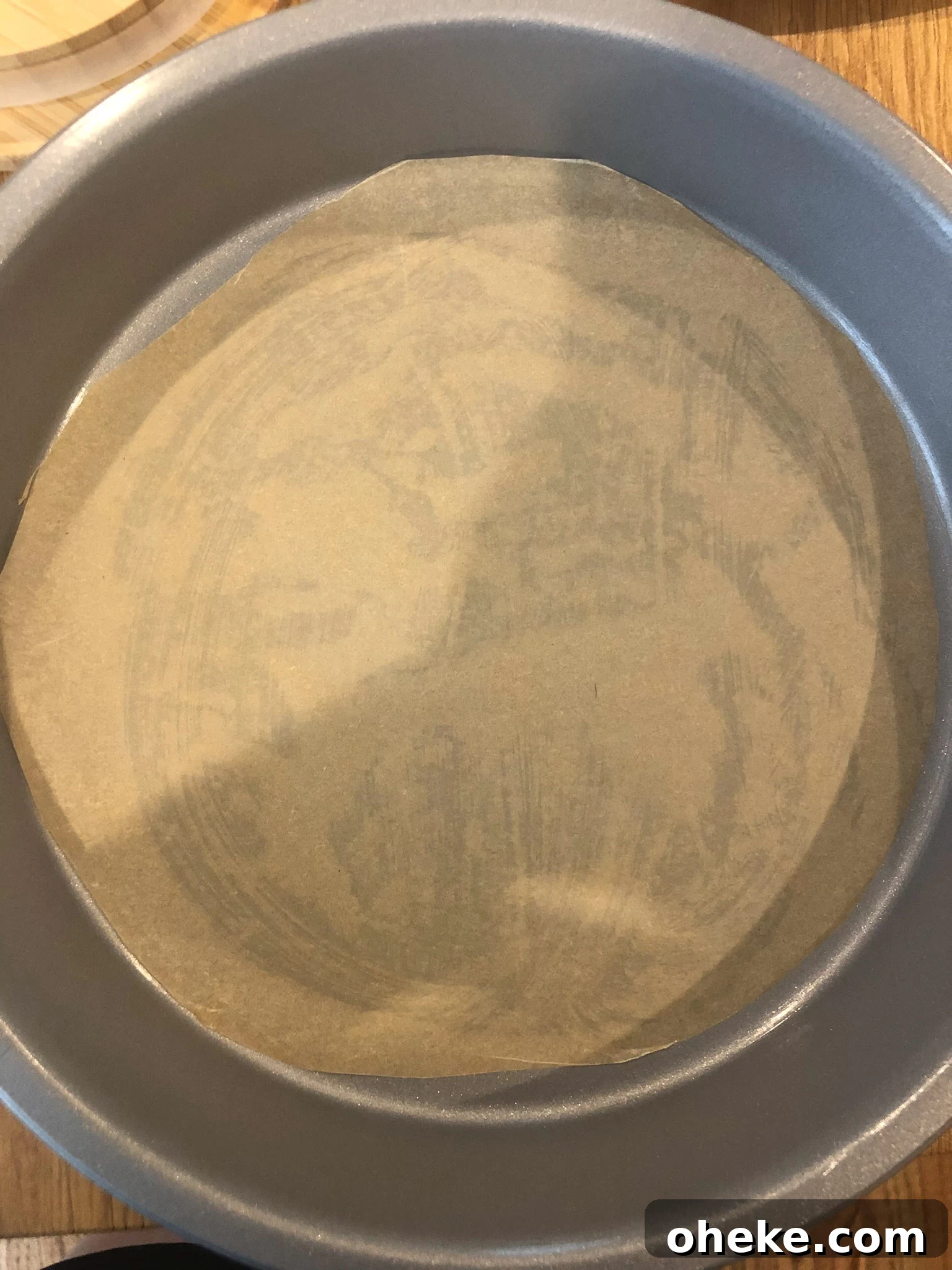
Preheat the oven to 350 F (175 C). Line a 9-inch round cake pan with parchment paper or grease and flour it so the cake releases easily.

-
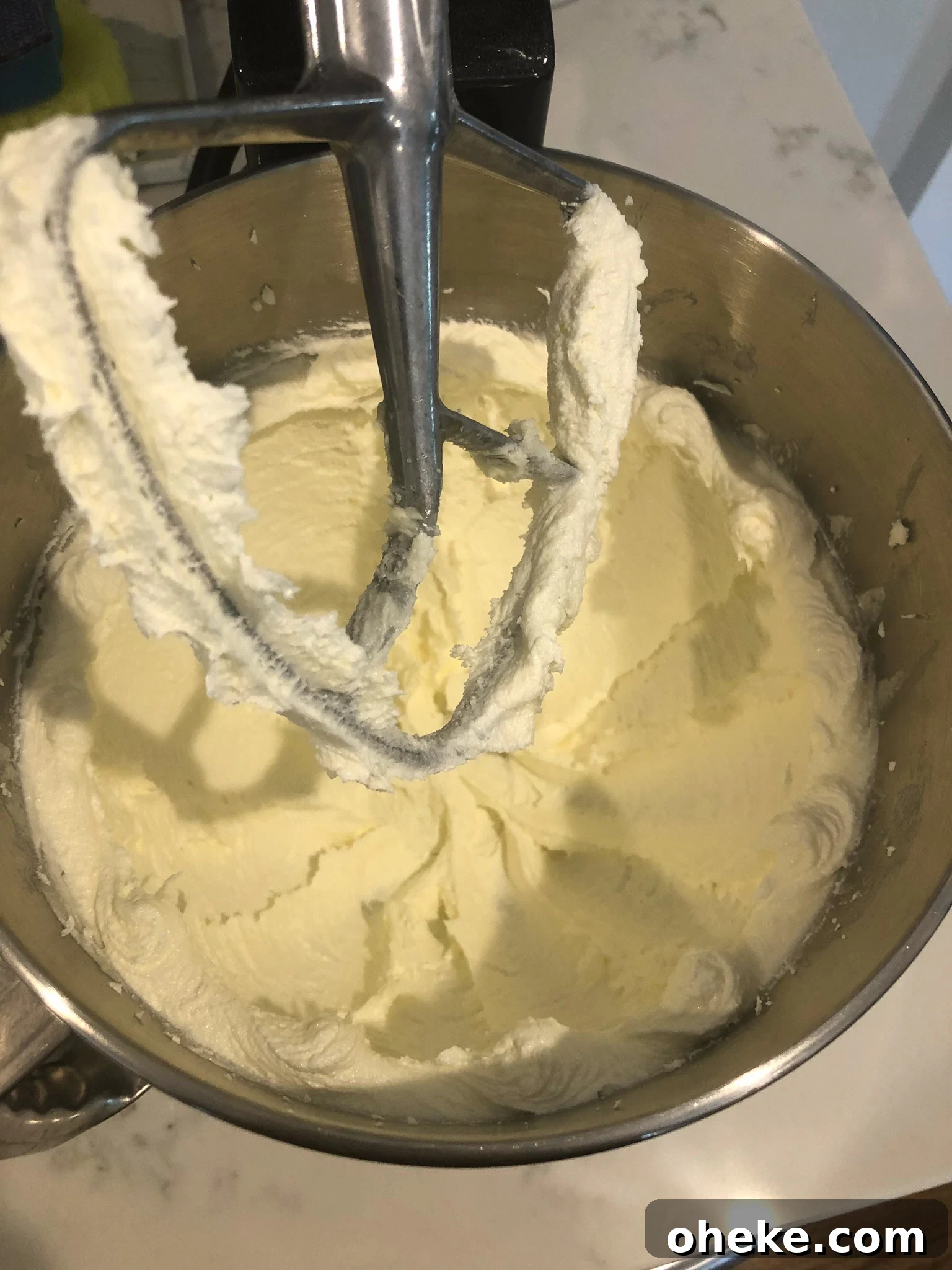
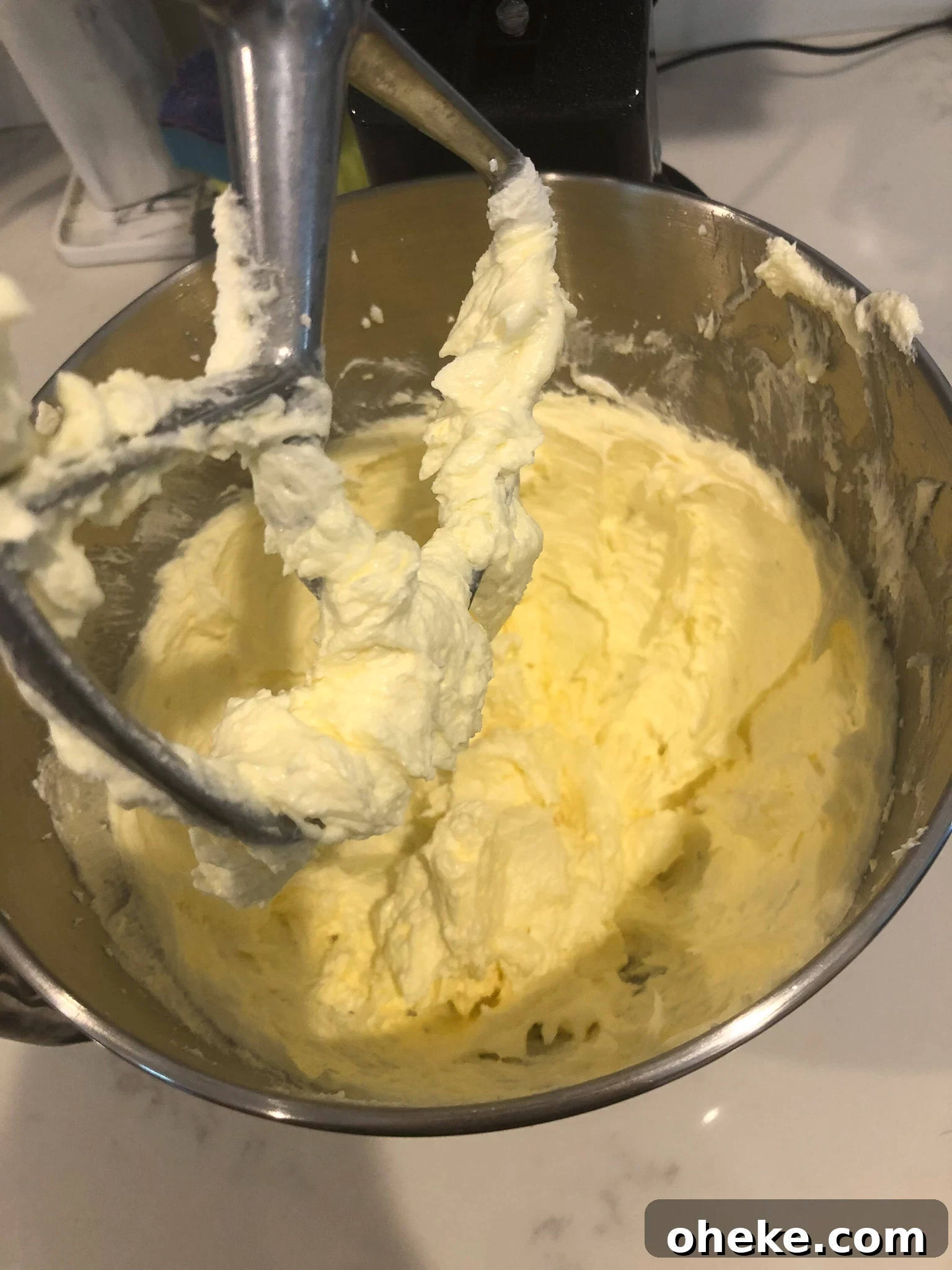
Cream the softened butter and sugar together for about 5 minutes until very light and fluffy, scraping down the bowl as needed.
-
Add eggs one at a time, mixing each until fully incorporated before adding the next. Use room-temperature eggs to prevent the batter from splitting.
-
Stir in the vanilla extract and lemon zest until evenly distributed.
-
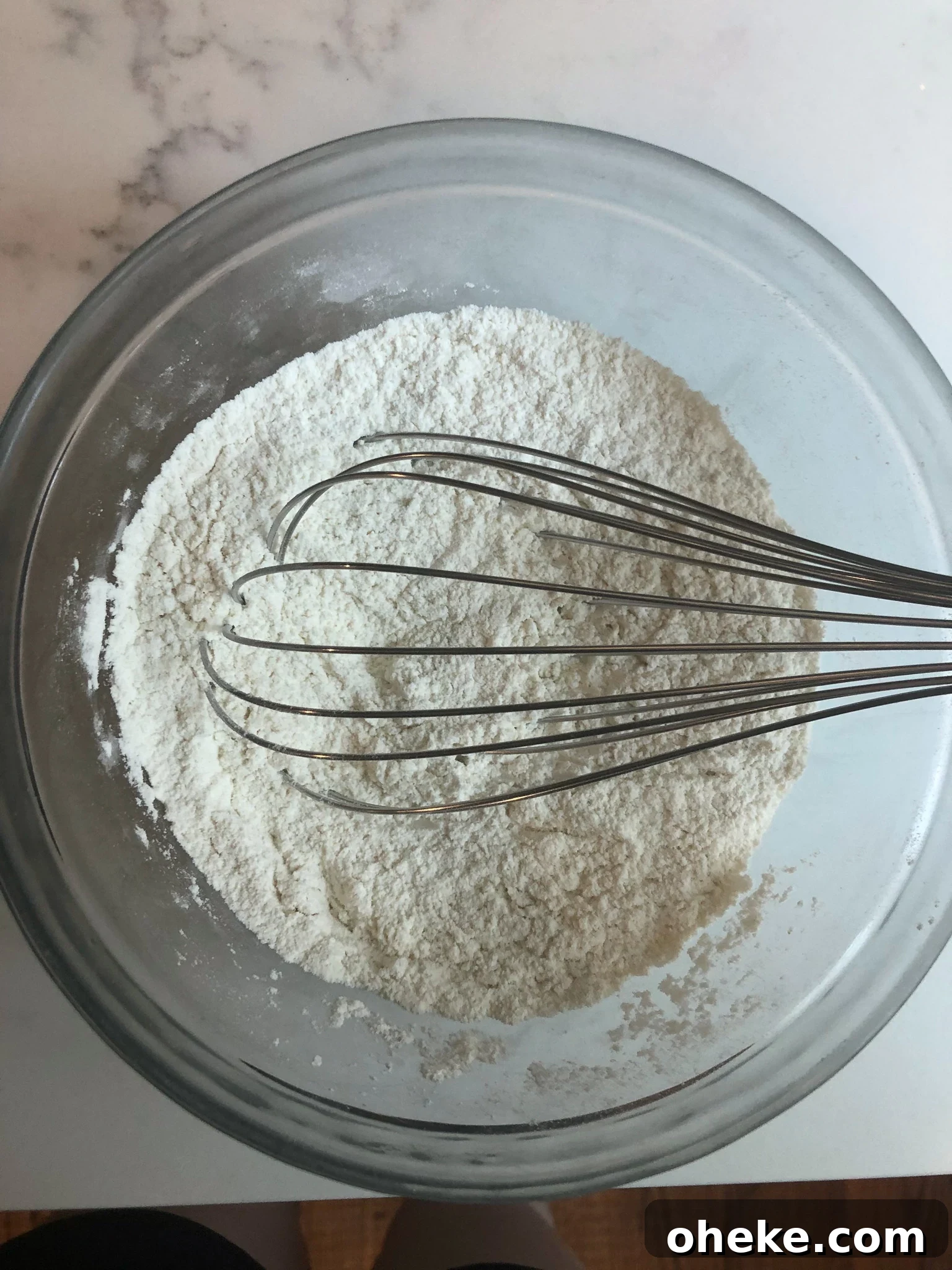
Measure the lemon juice separately. Whisk together the dry ingredients—flour, baking powder, and salt—in a separate bowl.
-
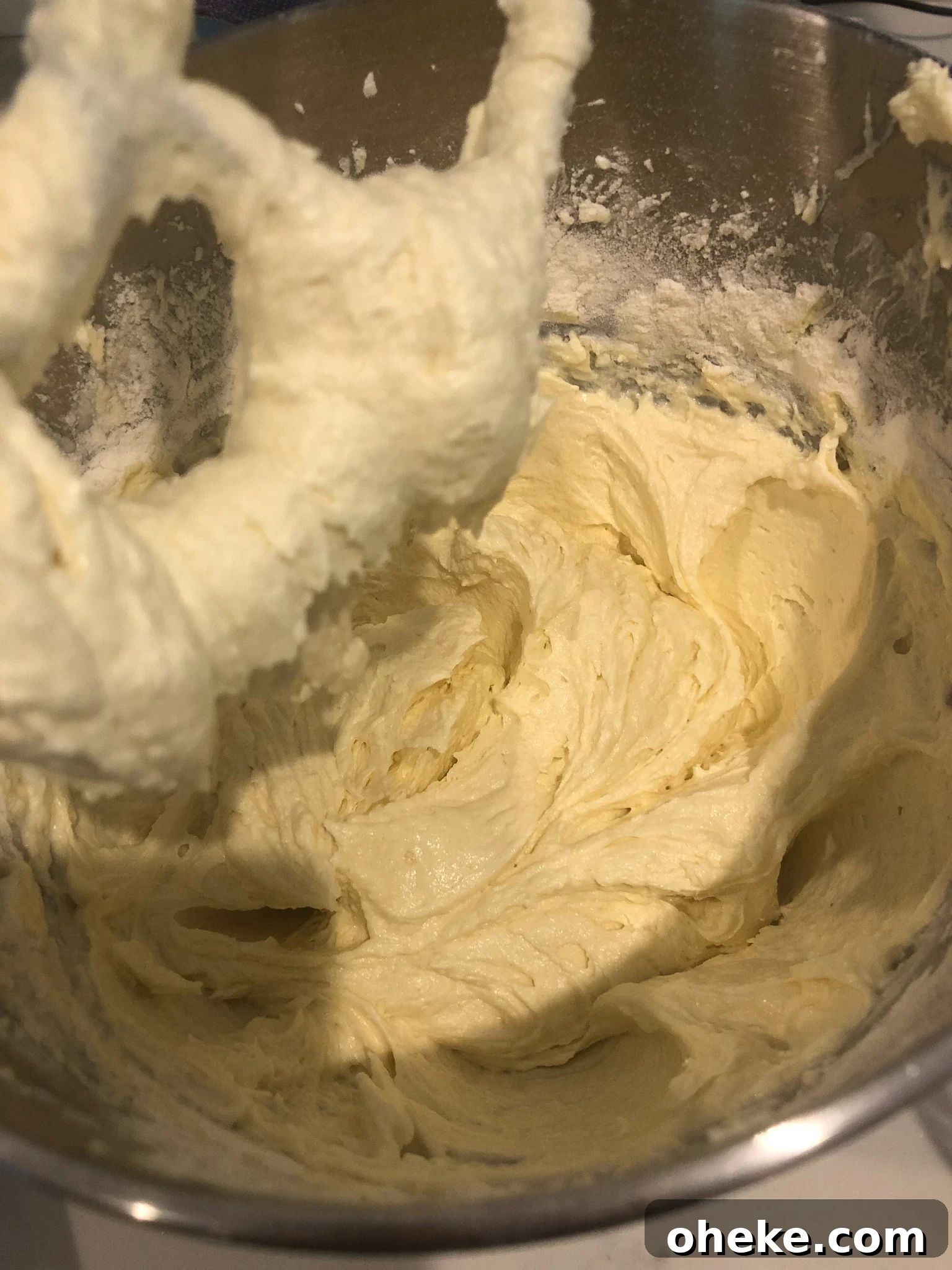
Sift in half of the dry ingredients and mix until just incorporated. Add the lemon juice and blend. Sift in the remaining dry ingredients and mix gently until combined.
-
Pour in the milk and mix until incorporated. Fold the batter a few times with a spatula to ensure the bottom is fully mixed.
-
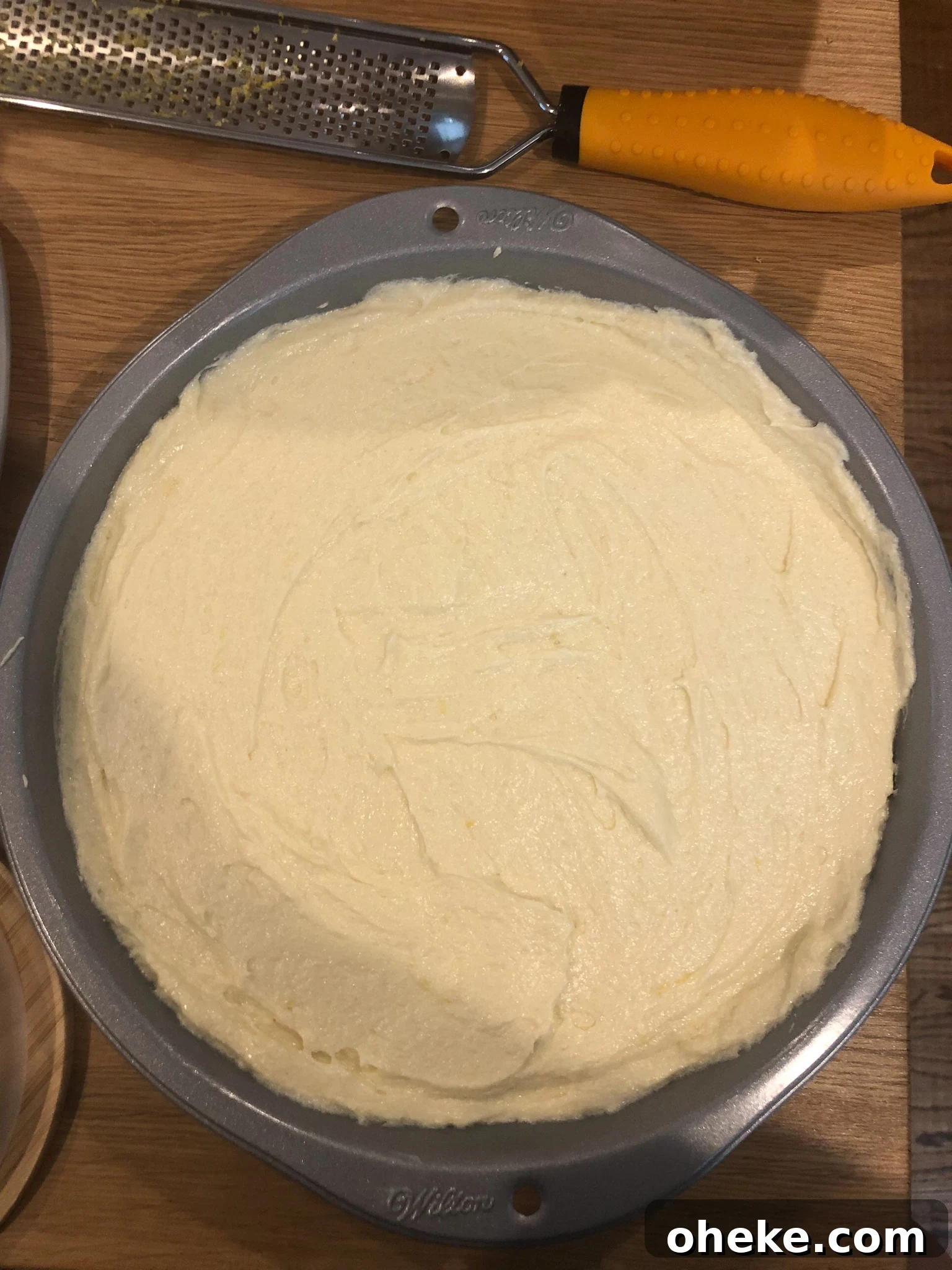
Transfer the batter to the prepared pan and smooth the top as needed.
-
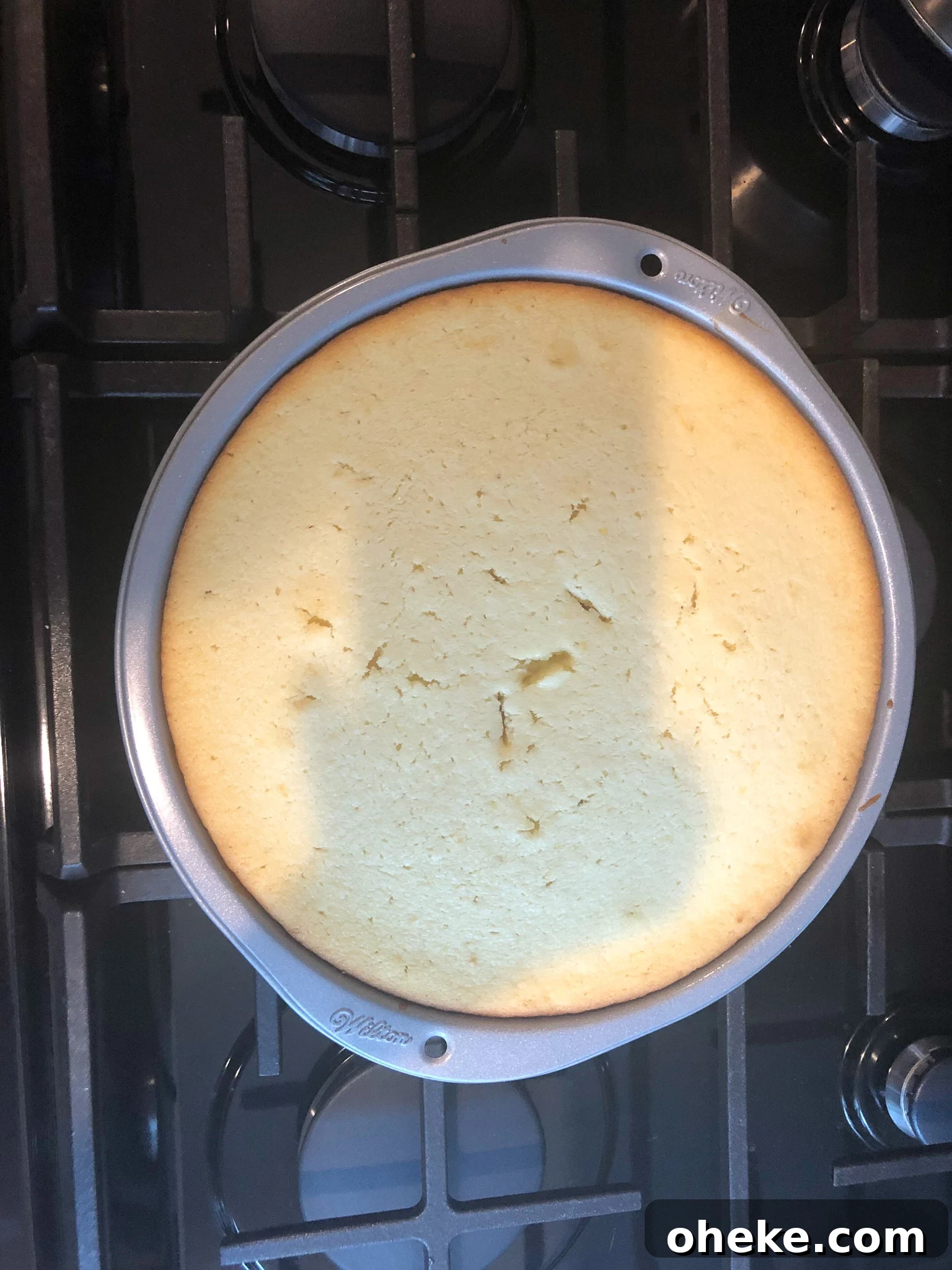
Bake for 30–35 minutes, or until a skewer inserted into the center comes out clean. Avoid removing the cake too early or it may sink.
-
To make the glaze, mix powdered sugar with small amounts of water until you reach a medium-thick consistency. A glaze that’s too thick will be hard to spread; one that’s too thin will run off. Drizzle or spread the glaze once the cake has cooled slightly.